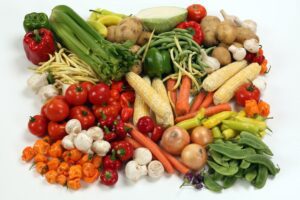
Photo by Roy Grant on Unsplash
Imagine a world where the most potent ingredients for your health are not the ones you directly consume, but rather the ones your gut bacteria transform for you. This is precisely what occurs with polyphenols, a group of plant compounds that, at first glance, seem to perplex scientists with their low bioavailability. Despite this, these compounds have garnered significant attention because they exert profound health benefits. The paradox lies in their transformation: once ingested, polyphenols undergo a complex conversion by your gut microbiota, resulting in metabolites that are often more bioactive than the original substances. These metabolites hold the key to the health-boosting properties of polyphenols, creating a fascinating dynamic between diet and gut health.
Most people, and even many healthcare professionals, tend to oversimplify the role of polyphenols to their antioxidant capabilities. While it’s true that these compounds can neutralize free radicals, their impact extends far beyond this simplistic view. The real magic happens in the gut, where polyphenols are transformed into various metabolites that interact with our body’s systems in diverse ways. These interactions are not merely incidental; they are a driving force in maintaining and enhancing gut health, which in turn influences overall well-being. This is an area of science that is still emerging, and yet, its implications are vast and promising.
Why does this matter more than we realize? The gut microbiota, often referred to as our “second brain,” plays a crucial role in regulating not just digestion but also immunity, mental health, and even weight management. Polyphenols, by modulating the composition and function of gut bacteria, can indirectly but powerfully influence these areas. In a world increasingly plagued by lifestyle-related diseases, understanding and leveraging this relationship could lead to groundbreaking interventions in health care and personal wellness. The stakes are high because the potential benefits of optimizing gut health with polyphenols are enormous.
After reading this article, you will be equipped to make informed decisions about your diet and lifestyle, specifically regarding the inclusion of polyphenol-rich foods. You’ll understand not just the ‘what’ but the ‘why’ and ‘how’ of incorporating these compounds into your daily routine. Whether you’re aiming to boost your immune system, improve mental clarity, or simply enhance your overall health, the insights you’ll gain will be actionable and impactful.
The interplay between polyphenols and gut health is a testament to the complexity and wonder of our body’s internal ecosystems. It’s a reminder that our health is not dictated by isolated components but by the intricate networks of interactions within our bodies. This perspective shifts how we approach nutrition and health, emphasizing the need for a holistic view that considers how each part of our diet can influence the whole.
As we delve deeper into this topic, you’ll discover the unique mechanisms by which polyphenols exert their effects. We’ll explore the scientific evidence supporting their role in gut health and discuss the potential complications and considerations that come with it. Finally, we’ll provide practical advice on how to personalize your approach to maximize the benefits of polyphenols for your gut and overall health.
In the end, understanding the role of polyphenols in gut health is not just about appreciating these compounds’ biochemical pathways. It’s about recognizing their potential to transform our approach to health and wellbeing in ways we are only beginning to understand. The journey is as exciting as the destination, promising new insights and opportunities for those willing to explore the frontiers of nutritional science.
What Are Polyphenols?
Polyphenols are a diverse group of naturally occurring compounds found predominantly in plants, characterized by multiple phenol units. These compounds are crucial not only for the survival of plants, serving as pigments, antioxidants, and protective agents against environmental stressors, but also for human health. They are commonly found in fruits, vegetables, tea, coffee, wine, and chocolates, among other dietary sources. Despite their abundance in the diet, polyphenols exhibit low bioavailability, which means that only a small fraction of ingested polyphenols is absorbed into the bloodstream. This low bioavailability could initially suggest limited health impacts, yet their transformation by gut bacteria into bioactive metabolites is a game changer.
The biological mechanism by which polyphenols exert their effects is both complex and fascinating. Once consumed, these compounds travel through the digestive tract to the colon, where gut microbiota metabolizes them. This process involves the breakdown of polyphenols into smaller, more easily absorbable compounds that can enter systemic circulation. It is this transformation that enhances their bioactivity, allowing these metabolites to exert significant anti-inflammatory, antioxidant, and even anticancer effects. As a result, polyphenols may promote gut health by influencing the diversity and composition of the gut microbiome, thus playing an integral role in maintaining intestinal homeostasis.
The evidence supporting the health benefits of polyphenols is extensive and compelling. Research has shown that diets rich in polyphenols are associated with a reduced risk of chronic diseases, including cardiovascular disease, diabetes, and neurodegenerative disorders. In particular, a study published in the International Journal of Molecular Sciences in 2024 by Yoo et al. suggests that polyphenols may enhance gut health by promoting the growth of beneficial bacteria and inhibiting pathogenic strains. This body of evidence, drawing from decades of research across various countries, underscores the potential of polyphenols to modulate gut microbiota and improve health outcomes.
However, not all individuals respond to polyphenol intake in the same way, which can be attributed to several factors. Genetics, age, and dietary habits significantly influence how an individual metabolizes polyphenols. For instance, genetic variations in the enzymes responsible for polyphenol metabolism can lead to differences in the production and absorption of bioactive metabolites. Age can also impact gut microbiota composition, which in turn affects polyphenol metabolism. Consequently, two individuals consuming the same polyphenol-rich diet may experience different health benefits, highlighting the importance of personalized nutrition strategies.
A counterintuitive aspect of polyphenols is their paradoxical role as both antioxidants and pro-oxidants. While they are celebrated for their antioxidant properties, under certain conditions, polyphenols can act as pro-oxidants, potentially contributing to oxidative stress. This dual role is context-dependent, influenced by factors such as dosage, the presence of metal ions, and the specific polyphenol structure. Understanding this nuanced behavior is crucial for harnessing the beneficial effects of polyphenols while mitigating potential risks.
For readers, understanding the complexity of polyphenols can inform dietary choices and health decisions. Knowing that polyphenols are transformed by gut bacteria into beneficial compounds emphasizes the importance of maintaining a healthy gut microbiota. This can be achieved through a balanced diet, potentially leading to improved gut health and reduced disease risk. Furthermore, recognizing individual variation in polyphenol metabolism can guide personalized dietary interventions, allowing for tailored approaches that maximize health benefits.
The historical context of polyphenol research reveals a journey from basic discovery to sophisticated understanding. Initially, polyphenols were simply recognized as plant pigments, but as scientific techniques advanced, their potential health benefits were uncovered. Over the past few decades, research has shifted focus from merely identifying polyphenols to exploring their complex interactions with human biology. This evolution in understanding reflects the dynamic nature of nutritional science and the continuous quest to uncover the intricate relationships between diet and health.
Despite the robust evidence supporting the health benefits of polyphenols, controversy remains regarding optimal intake levels and potential adverse effects. Some experts caution against excessive consumption, citing concerns over the pro-oxidant activity of certain polyphenols at high doses. This debate highlights the need for further research to establish clear dietary guidelines and ensure safe consumption levels. For readers, this controversy underscores the importance of moderation and balance in dietary choices.
A case vignette illustrates the potential impact of polyphenols on gut health. Consider a middle-aged individual with a diet low in fruits and vegetables, subsequently experiencing signs of dysbiosis. Upon adopting a diet rich in polyphenols, such as berries and green tea, improvements in gut microbiota diversity and a reduction in gastrointestinal symptoms may occur. This real-world example demonstrates the transformative potential of polyphenols in promoting gut health and enhancing overall quality of life.
As we delve deeper into the interaction between polyphenols and gut bacteria, questions about the specific mechanisms and individual responses remain. Why do two people with seemingly identical diets exhibit such different outcomes in terms of gut health and overall wellbeing? Answering this question could lead to more effective dietary interventions and a deeper understanding of the role of polyphenols in human health.
The Gut Connection
Understanding the interaction between polyphenols and gut bacteria unveils a fascinating aspect of human health. These plant compounds, found abundantly in foods like berries, tea, and wine, are not just passive dietary components. Instead, they actively engage with the trillions of microorganisms residing in our intestines. This interaction results in the transformation of polyphenols into a variety of bioactive metabolites. Such metabolites can influence several physiological processes, suggesting that the health benefits of polyphenols are intimately linked to our gut bacteria.
The metabolic journey of polyphenols begins when they enter the digestive tract. Here, polyphenols encounter the diverse ecosystem of gut bacteria, which play a crucial role in their breakdown and conversion. Unlike many nutrients that are directly absorbed in the upper gastrointestinal tract, polyphenols often reach the colon largely intact. This characteristic is not a limitation but rather a feature that enhances their potential impact. In the colon, gut bacteria metabolize polyphenols into smaller, more bioavailable compounds, which can then exert their effects on distant tissues throughout the body.
One critical mechanism by which polyphenols influence health is through their modulation of the gut microbiota composition. Research indicates that a diet rich in polyphenols can enhance the diversity and abundance of beneficial bacterial species. For example, certain types of bacteria, such as Lactobacillus and Bifidobacterium, are known to thrive in the presence of polyphenols. These bacteria are associated with a host of health benefits, including improved digestion and reduced inflammation. By fostering these beneficial bacteria, polyphenols help maintain a balanced intestinal ecosystem, which is essential for numerous physiological processes.
The health implications of this interaction can be profound, particularly in clinical settings where patients suffer from conditions like irritable bowel syndrome (IBS) or inflammatory bowel disease (IBD). In such cases, the introduction of polyphenol-rich foods could potentially aid in managing symptoms and enhancing gut health. This approach leverages the ability of polyphenols to promote beneficial bacteria and suppress harmful ones, thereby contributing to a more stable and healthy microbiome. Such dietary interventions may offer a complementary strategy to traditional treatments, providing patients with additional avenues for symptom relief and overall health improvement.
However, the response to polyphenols is not uniform across individuals. Factors such as genetics, age, and existing gut microbiome composition can influence how one metabolizes and benefits from polyphenols. For instance, some individuals may have a gut microbiome that is less equipped to convert polyphenols into their active forms, potentially diminishing their health benefits. This variation underscores the importance of personalized nutrition, where dietary recommendations are tailored to individual microbiome profiles. Understanding these differences can help optimize the health benefits derived from polyphenol intake.
A 2020 study published in Nutrients by Merra et al. explored these individual variations and found that specific bacterial strains are more adept at polyphenol metabolism. This research suggests that the presence or absence of particular microbial species in the gut can significantly influence the extent of health benefits one experiences from polyphenols. Such findings pave the way for more personalized dietary interventions, where microbiome analysis could inform more effective nutrition strategies.
Surprisingly, the effects of polyphenols extend beyond the gut. Once metabolized by gut bacteria, these compounds can influence systemic processes, including immune function and cardiovascular health. It is commonly misunderstood that polyphenols only benefit the local gut environment. In reality, their metabolites can enter the bloodstream, exerting anti-inflammatory and antioxidant effects throughout the body. This systemic reach illustrates the far-reaching impact of gut-mediated polyphenol metabolism.
From a practical standpoint, understanding the interaction between polyphenols and gut bacteria can guide dietary choices. For those looking to enhance their gut health, incorporating a variety of polyphenol-rich foods into their diet could be a strategic move. Foods such as dark chocolate, red wine, and certain fruits and vegetables are excellent sources. By consciously increasing the intake of these foods, individuals might not only support their gut microbiota but also promote overall health.
Historically, the recognition of polyphenols’ significance has evolved significantly. Initially, these compounds were merely considered as antioxidants. However, as research advanced, their role in gut health became more apparent. The scientific community’s understanding of how polyphenols interact with gut bacteria has grown, leading to a reassessment of their dietary importance. This shift in perspective highlights the dynamic nature of nutritional science and its ability to uncover previously unrecognized health connections.
Despite the growing understanding of polyphenols and gut bacteria, some areas remain contentious. Experts continue to debate the optimal types and amounts of polyphenols necessary for health benefits. Furthermore, the complexity of the gut microbiome itself adds another layer of variability, making it challenging to draw definitive conclusions. These ongoing discussions highlight the necessity for further research to refine our understanding and provide clearer guidance.
As we explore the intricate dance between polyphenols and our gut bacteria, a lingering question persists: How can individuals harness this knowledge to maximize health benefits? This question prompts further inquiry into dietary strategies and potential personalized nutrition plans. As science continues to unravel these complex interactions, the potential for targeted dietary interventions becomes increasingly promising, inviting us to delve deeper into the evidence supporting polyphenols’ health benefits.
Evidence of Health Benefits
Polyphenols, the plant compounds that capture the fascination of gut bacteria, are increasingly being recognized for their impressive health benefits. These benefits are largely attributed to the metabolites produced when polyphenols are transformed by the intestinal ecosystem, which have been linked to various disease prevention mechanisms. As the scientific community delves deeper into understanding these effects, it becomes evident that the relationship between polyphenol metabolites and human health is complex yet promising. Researchers are beginning to see significant patterns emerging from the data, which suggest that these compounds play a crucial role in supporting health and preventing diseases.
One of the most compelling pieces of evidence supporting the health benefits of polyphenols is their impact on cardiovascular health. Studies indicate that polyphenol-rich diets, such as those high in flavonoids from fruits and vegetables, are associated with reduced risk of cardiovascular diseases. These benefits are often attributed to the metabolites that help reduce oxidative stress and inflammation, key factors in the development of heart disease. By modulating the gut microbiota, polyphenol metabolites enhance the production of short-chain fatty acids (SCFAs), which are known to improve endothelial function and reduce blood pressure. This suggests a potential mechanism by which these plant compounds contribute to cardiovascular health.
In the field of cancer prevention, polyphenols have been the subject of extensive research. Some laboratory studies suggest that polyphenol metabolites can inhibit cancer cell proliferation and induce apoptosis in specific cancer types. For instance, resveratrol, a polyphenol found in grapes, has shown promise in slowing the progression of certain cancers in animal models. Although the exact mechanisms remain under investigation, it is thought that these metabolites interact with cancer cell signaling pathways, thereby exerting their protective effects. While clinical evidence in humans is still emerging, these findings highlight the potential role of polyphenols in cancer prevention strategies.
The field of metabolic health also offers intriguing insights into the benefits of polyphenols. Research indicates that these compounds may improve insulin sensitivity and reduce the risk of type 2 diabetes. Polyphenol metabolites appear to enhance the body’s ability to manage glucose levels, potentially through their influence on gut microbiota composition and function. For example, Yoo et al. (2024) found that certain polyphenols could alter the microbiome in a way that supports better metabolic outcomes. This opens up possibilities for dietary interventions aimed at preventing or managing diabetes, by leveraging the gut microbiome’s response to polyphenol intake.
While the benefits of polyphenols are promising, individual variation in response to these compounds cannot be overlooked. Factors such as genetics, existing microbiome composition, and diet significantly affect how polyphenols are metabolized and the extent of their benefits. Some individuals may experience more pronounced health improvements than others, due to differences in how their gut bacteria process these compounds. Understanding this variability is crucial for developing personalized nutrition plans that optimize the intake of polyphenols based on individual needs and gut microbiome profiles.
One surprising aspect of polyphenol research is the counterintuitive nature of their bioavailability. Despite being poorly absorbed in the digestive tract, polyphenols still exert significant health effects. This paradox can be explained by the gut microbiota’s ability to transform these compounds into more bioactive forms. These transformations enhance their health-promoting properties, effectively compensating for their low absorption. This understanding challenges traditional views on nutrient efficacy, suggesting that the interactions within our intestinal ecosystem are more important than previously thought.
The historical context of polyphenol research provides further depth to our understanding of these compounds. Initially, polyphenols were largely ignored by the scientific community due to their perceived low bioavailability. However, as studies began to uncover the role of the gut microbiota in their metabolism, interest in these plant compounds surged. This shift in perspective underscores the importance of considering the gut microbiome in nutritional science and disease prevention. It also highlights how evolving scientific paradigms can redefine our understanding of dietary components and their health implications.
Practically speaking, the evidence supporting the health benefits of polyphenols invites readers to reconsider their dietary choices. Incorporating a variety of polyphenol-rich foods, such as berries, nuts, and teas, into daily meals can be a simple yet effective strategy for enhancing health. By understanding the relationship between diet, gut microbiota, and health outcomes, individuals can make informed decisions that align with their health goals. This pragmatic approach not only supports individual health but also contributes to broader public health initiatives focused on disease prevention through nutrition.
Controversy still exists within the scientific community regarding the optimal intake of polyphenols and their precise mechanisms of action. Some experts argue that more research is needed to establish definitive guidelines for polyphenol consumption, while others emphasize the need for personalized approaches. This ongoing debate highlights the complexity of nutritional science and the challenges inherent in translating research findings into practical dietary recommendations. However, it also emphasizes the dynamic nature of science, where new discoveries continually refine our understanding and approaches to health and nutrition.
As scientific understanding of polyphenols continues to evolve, so too does the potential for new and innovative health interventions. The insights gained from current research may inform future dietary guidelines and personalized nutrition plans, maximizing the health benefits of these compounds. While much remains to be discovered, the existing evidence provides a solid foundation for exploring how polyphenols can be harnessed to promote health and prevent disease. The field is poised for exciting developments, as researchers aim to unlock the full potential of these remarkable plant compounds.
As we consider the next steps in understanding polyphenol health benefits, a critical question emerges: how can we optimize dietary strategies to leverage these insights for maximum health impact? This question will guide future research and practical applications, as we continue to explore the profound connections between diet, gut health, and overall well-being.
Understanding the Bioavailability Paradox
Polyphenols, despite their low bioavailability, are remarkably effective due to their transformation by gut bacteria into potent metabolites. This paradox has puzzled researchers for years, as the compounds are poorly absorbed in the small intestine, yet their health benefits are well-documented. The key to understanding this lies in the complex relationship between polyphenols and the gut microbiota. When polyphenols reach the colon, they encounter a diverse community of microorganisms that metabolize these compounds into bioactive forms. This transformation is crucial, as it allows the body to harness the health-promoting properties of polyphenols that might otherwise remain untapped.
The biological mechanism behind this transformation is intricate and involves several steps. Initially, polyphenols are subjected to enzymatic breakdown by gut bacteria, which convert them into smaller phenolic acids and other metabolites. These metabolites have been shown to exert various health benefits, including anti-inflammatory and antioxidant effects. One reason this process is effective is because the metabolites are often more bioavailable than the original polyphenols. This means they can be more easily absorbed into the bloodstream and utilized by the body, highlighting the essential role of the gut microbiota in polyphenol efficacy.
Research suggests that this transformation occurs consistently across diverse groups, including different ethnicities and age ranges, which underscores the universal potential of polyphenol-rich diets. For instance, studies conducted in both Western and Eastern populations have demonstrated similar metabolic pathways for polyphenol breakdown, despite differences in dietary habits and gut microbiome compositions. This cross-population consistency suggests that the gut microbiota’s ability to convert polyphenols into beneficial metabolites is a fundamental biological process, potentially offering health benefits to a wide range of individuals.
Individual variation in response to polyphenols is often linked to differences in gut microbiome composition. Factors such as genetics, diet, age, and even geographic location can influence the types and abundance of bacteria present in the gut. For example, individuals with a diet rich in fiber and plant-based foods tend to have a more diverse gut microbiome, which may enhance their ability to metabolize polyphenols effectively. Conversely, those with a less diverse microbiome might experience different health outcomes. This variability highlights the importance of personalized nutrition strategies that take into account an individual’s unique microbiome profile.
Understanding these individual differences is crucial for developing effective dietary interventions. By tailoring polyphenol intake based on an individual’s gut microbiome, it may be possible to maximize their health benefits. Personalized approaches might include specific dietary recommendations or the use of prebiotics and probiotics to modulate the gut microbiota in a way that enhances polyphenol metabolism. This could lead to more targeted and effective health interventions, particularly for individuals at risk of chronic diseases influenced by gut health.
Despite our growing understanding, the bioavailability paradox remains somewhat counterintuitive. It challenges the traditional perspective that only highly bioavailable nutrients are beneficial. Polyphenols defy this notion by demonstrating that compounds with low initial absorption can still exert significant health effects through microbial transformation. This insight shifts the focus from the compounds themselves to the synergistic relationship with gut bacteria, emphasizing the importance of a holistic view of nutrition that includes both the diet and the intestinal ecosystem.
Practical implications for readers are significant, as they suggest new ways to approach dietary choices. Instead of solely focusing on the quantity of polyphenols consumed, individuals might consider how to support their gut microbiota through dietary diversity. Including a variety of fiber-rich foods, fermented products, and a range of fruits and vegetables can help foster a microbiome capable of transforming polyphenols into their beneficial forms. This approach not only enhances the absorption of these compounds but also supports broader gut health and systemic immune responses.
Historically, the understanding of polyphenol bioavailability has evolved dramatically. Initially, the low absorption rates led to skepticism about their health benefits. However, advancements in microbiome research over the past few decades have illuminated the significant role these microorganisms play in metabolizing dietary compounds. Studies, such as those by Merra et al. (2020) in Nutrients, have contributed to this shift by providing evidence of the metabolic pathways involved and their impact on health. This evolution of knowledge underscores the dynamic nature of nutritional science and the need to continually reassess dietary recommendations in light of new findings.
Controversy still exists among experts regarding the best ways to enhance polyphenol bioavailability. While some advocate for dietary supplements or extracts to increase intake, others emphasize the importance of whole foods and dietary patterns. This debate is relevant to readers as it informs decisions about how to incorporate polyphenols into their diets effectively. Considering the diverse opinions, individuals might choose to experiment with different approaches to determine what works best for their health and lifestyle.
In conclusion, the bioavailability paradox of polyphenols reveals the interplay between diet and the gut microbiota. As researchers continue to unravel these complexities, it becomes clear that the focus should not solely be on the compounds themselves but also on the living ecosystem within us that transforms them. This understanding opens new avenues for personalized nutrition and gut health strategies. Yet, one question remains: how can we optimize our diets to ensure that our microbiomes are primed to unlock the full potential of these plant compounds? This inquiry will guide future exploration into dietary sources and interventions for polyphenols.
Dietary Sources and Interventions
Incorporating polyphenols into one’s diet can be both a delightful and strategic endeavor, given the variety of foods rich in these plant compounds. Many fruits, vegetables, nuts, and beverages like tea and wine are excellent sources of polyphenols. These compounds play a crucial role in enhancing gut health, primarily by serving as substrates for beneficial gut bacteria. The transformation of polyphenols by the intestinal microbiota into bioactive metabolites is a key reason why they can exert health benefits despite their low bioavailability. This metabolic process not only highlights the symbiotic relationship between our diet and gut flora but also emphasizes the importance of consuming a diverse range of polyphenol-rich foods.
Berries are among the most potent sources of polyphenols, offering a delicious way to boost intake. Blueberries, strawberries, and raspberries are packed with these compounds, which can be easily incorporated into daily meals. For instance, adding a handful of berries to breakfast cereals or yogurt can significantly increase the polyphenol content of your diet. The biological mechanism behind this is fascinating—when ingested, the polyphenols in berries are metabolized by gut microbes into smaller phenolic acids, which have been shown to support gut barrier function and reduce systemic inflammation. This process underscores how dietary choices can directly influence health outcomes.
Nuts and seeds also offer a robust supply of polyphenols, with almonds, walnuts, and flaxseeds leading the way. These foods are not only convenient snacks but also serve as versatile ingredients in cooking and baking. The polyphenols in nuts contribute to their anti-inflammatory properties and can aid in improving lipid profiles. Regular consumption of these foods can enhance the diversity and function of the gut microbiota, promoting a healthier intestinal environment. The interplay between nut-derived polyphenols and gut bacteria illustrates the complex but beneficial interactions that dietary interventions can foster.
Teas, particularly green and black varieties, are celebrated for their high polyphenol content. Consuming tea regularly has been associated with numerous health benefits, including improved gut health. The catechins in green tea, for example, are metabolized into active metabolites by the gut microbiota, contributing to the modulation of the immune system and protection against certain diseases. The transformation of these compounds in the gut highlights the intricate pathways through which polyphenols exert their effects and the potential of simple dietary inclusions like tea to enhance well-being.
Wine, especially red wine, is another source of polyphenols, although its inclusion should be moderated due to alcohol content. The resveratrol in red wine is noteworthy for its cardiovascular benefits and potential to enhance gut microbiota composition. While moderate consumption of red wine can be part of a polyphenol-rich diet, it is important to balance this with other non-alcoholic sources to avoid negative health implications. This balance reflects the nuanced decisions individuals must make when incorporating polyphenols into their diets.
For individuals looking to maximize polyphenol intake, dietary supplements are available, though they should be approached with caution. The efficacy of these supplements can vary significantly, and they may not always provide the same benefits as whole foods. The complexity of polyphenols and their interactions with the gut microbiota can be difficult to replicate in supplement form. Therefore, focusing on a diverse diet rich in natural sources remains the most effective strategy. This preference for whole foods over supplements is an example of how understanding the biological context can inform dietary choices.
One surprising aspect of polyphenol consumption is the individual variation in response, which can depend on factors such as genetics, existing gut microbiota composition, and overall diet. Some individuals may experience more pronounced benefits from polyphenol-rich diets due to these personal variables. For instance, people with a more diverse gut microbiota may be better equipped to metabolize polyphenols into beneficial compounds. This variation highlights the importance of personalized nutrition and the need to tailor dietary interventions to individual needs and conditions.
Despite the well-documented benefits, there is still some controversy regarding the optimal levels of polyphenol intake. While it is generally agreed that a diet rich in fruits, vegetables, and other plant-based foods is beneficial, the specific amount of polyphenols required for maximal health benefits is not universally established. This uncertainty can make it challenging for individuals to determine the right balance in their diets. However, the consensus leans towards consuming a wide variety of polyphenol sources rather than focusing solely on quantity, ensuring a comprehensive range of health benefits.
Historically, the understanding of polyphenols and their health impacts has evolved significantly. Early research primarily focused on their antioxidant properties, but recent studies have expanded this view to include their role in gut health and disease prevention. This shift in focus illustrates the dynamic nature of nutritional science and the ongoing exploration of how dietary components influence human health. As our understanding continues to grow, so too does the potential for refining dietary guidelines to optimize health outcomes.
In practical terms, individuals can start incorporating more polyphenols into their diets by making simple changes, such as choosing whole grains over refined ones, swapping sugary snacks for nuts, and opting for a variety of colorful fruits and vegetables. These adjustments not only increase polyphenol intake but also support a healthier gut microbiota. The everyday decisions about what to eat can have profound effects on one’s health, demonstrating the power of food as medicine.
The question of how best to integrate polyphenols into one’s diet ties into broader discussions about personalized nutrition and the role of the gut microbiome in health. As we explore these topics further, a key consideration remains: while the mechanisms by which polyphenols exert their benefits are becoming clearer, the variability in individual responses continues to pose intriguing questions for future research. This curiosity sets the stage for exploring how personalizing polyphenol intake could revolutionize individual health strategies.
Personalizing Polyphenol Intake
“`markdown
Personalizing Polyphenol Intake
Tailoring polyphenol intake to individual health needs requires an understanding of how different compounds interact with our bodies. These plant-derived molecules are not only diverse in structure but also in their biological effects once metabolized by gut bacteria. The metabolites formed can vary significantly depending on one’s unique intestinal ecosystem, which is influenced by factors such as diet, genetics, and baseline microbiome composition. Understanding these variations can help individuals optimize their health by aligning polyphenol consumption with specific health goals.
One of the mechanisms through which polyphenols exert their effects involves their transformation into bioactive metabolites by gut bacteria. These metabolites can influence health by modulating systemic immune responses, reducing inflammation, and supporting cardiovascular health. For example, flavonoids, a class of polyphenols, are metabolized into molecules that may help maintain heart health by improving endothelial function and reducing oxidative stress. However, the extent of these benefits can depend on the individual’s microbiota composition, which determines how effectively these metabolites are produced.
The evidence supporting the health benefits of polyphenols is robust, but the effects can vary widely among individuals. A 2020 study in Nutrients by Merra et al. suggests that specific polyphenol-rich diets may lead to different health outcomes depending on the individual’s microbiome profile. This study highlights the importance of considering personal variations when recommending polyphenol intake, as the same diet may not yield equivalent benefits for everyone. Such insights emphasize the need for personalized nutrition strategies that take into account the unique microbial ecosystem of each individual.
Genetic factors also play a role in how polyphenols are metabolized and utilized by the body. Some people have genetic variations that affect enzyme activity involved in polyphenol metabolism, leading to differences in the production of beneficial metabolites. For instance, variations in genes related to flavonoid metabolism can affect how these compounds influence blood pressure and cholesterol levels. This genetic diversity underscores the importance of personalized dietary approaches that consider an individual’s genetic profile alongside their microbiome.
The notion that increased polyphenol intake always correlates with improved health outcomes is a common misconception. While these compounds are generally beneficial, the specific type and amount that one should consume depend on individual health objectives. For example, someone aiming to improve cognitive function might benefit more from flavonoids found in berries and tea, which have been linked to enhanced brain health. In contrast, those focusing on anti-inflammatory effects might prioritize polyphenols like curcumin, commonly found in turmeric.
A practical implication of these insights is the need for individuals to experiment with different polyphenol sources and observe their effects over time. This trial-and-error approach, guided by an understanding of personal health goals and microbiome composition, can help identify the most beneficial dietary patterns. Keeping a food diary and monitoring changes in health markers, such as energy levels, digestion, and mood, can provide valuable feedback on how well one’s current polyphenol intake aligns with their health objectives.
Historically, the understanding of polyphenols has evolved from viewing them merely as antioxidants to recognizing their role as modulators of the gut microbiota. This shift has been fueled by advances in microbiome research, which have unveiled the complex interactions between dietary compounds and gut bacteria. Early studies focused on the antioxidant properties of polyphenols, but newer research has illuminated their capacity to influence microbial composition and function, leading to broader health implications.
Despite consensus on the benefits of polyphenols, controversies still exist regarding the optimal intake levels and sources. Some experts argue that high doses of isolated polyphenol supplements might not be as effective as consuming these compounds through whole foods, which offer a synergistic array of nutrients. Others caution against potential adverse effects from excessive intake, such as interactions with medications or nutrient absorption issues. These debates highlight the importance of balanced and informed dietary choices.
A case vignette can illustrate the real-world application of personalized polyphenol intake. Consider a middle-aged woman with a family history of heart disease who modifies her diet to include more polyphenol-rich foods, like grapes and dark chocolate. Over time, she observes improvements in her cholesterol levels and blood pressure, attributing these changes to the beneficial metabolites produced by her gut bacteria. Her experience underscores the potential for polyphenols to support cardiovascular health when tailored to individual needs.
Ultimately, the personalization of polyphenol intake is a promising avenue for optimizing health outcomes. By considering factors such as microbiome composition, genetic variability, and specific health goals, individuals can better harness the benefits of these compounds. This personalized approach not only maximizes the potential health benefits but also empowers individuals to make informed dietary choices that align with their unique biological makeup.
The journey to optimizing polyphenol intake is not merely about understanding the science but also about actively engaging with one’s own health. As we delve deeper into the relationship between diet and gut health, the promise of personalized nutrition becomes increasingly tangible. However, the question remains: how can individuals practically implement these insights into their daily lives? This inquiry sets the stage for exploring actionable strategies to enhance gut health through targeted polyphenol consumption.
Your Action Plan: Boosting Gut Health with Polyphenols
Incorporating polyphenol-rich foods into your daily meals can be a transformative step in supporting your gut health. To start, consider integrating a diverse range of colorful fruits and vegetables, such as berries, apples, and leafy greens, which are abundant in these beneficial compounds. By making these foods a staple in your diet, you provide your gut microbiota with the raw materials they need to produce bioactive metabolites that can enhance your intestinal ecosystem. Moreover, these metabolites play a crucial role in maintaining the balance of gut bacteria necessary for optimal digestion and immune function.
In the first week of your polyphenol journey, aim to add at least two servings of polyphenol-rich foods to your daily diet. This could be as simple as a handful of mixed berries with breakfast or a spinach salad for lunch. By setting a measurable goal, such as consuming these servings consistently for seven days, you can begin to observe any potential changes in your digestive comfort or energy levels. Furthermore, tracking these changes can offer valuable insights into how your body responds to these dietary modifications.
As you move into the second week, consider diversifying your sources of polyphenols. The gut microbiota thrives on variety, and introducing different types of polyphenol-rich foods can enhance its resilience and functionality. Try incorporating nuts, seeds, and dark chocolate into your snacks. Not only do these foods add variety, but they also provide other essential nutrients that support your overall health. By the end of the second week, you may notice improvements in digestive regularity or a reduction in bloating, which are promising indicators of enhanced gut health.
By the third week, you might want to experiment with different forms of polyphenols, such as teas and fermented foods like kimchi or yogurt. These not only contribute additional polyphenols but also introduce probiotics, which can work synergistically with the existing gut bacteria. Probiotics can support the growth of beneficial bacteria, enhancing the gut’s ability to process polyphenols into useful metabolites. It is during this phase that you might start feeling more sustained energy levels and an improved mood, reflecting the gut-brain axis at work.
In the fourth week, focus on optimizing your polyphenol intake by fine-tuning the timing and combinations of these foods. Consuming polyphenols during meals may improve their absorption and metabolism. For example, pairing green tea with a meal can enhance the bioavailability of certain compounds, making them more effective in promoting gut health. You might also explore combining different polyphenol sources, such as a berry and dark chocolate dessert, to maximize their benefits. By this point, you should have a clearer understanding of how these dietary choices are impacting your overall wellbeing.
If by the end of the month you do not notice any significant improvements in gut health, it could be beneficial to consult with a healthcare professional. Symptoms such as persistent digestive discomfort or unexplained changes in bowel habits may warrant further investigation. A healthcare provider can help identify any underlying issues that might be affecting your response to dietary polyphenols and suggest tailored interventions.
The biological mechanism behind polyphenols and gut health lies in their conversion into active metabolites by gut bacteria. These metabolites have been suggested to influence gut barrier function, inflammation reduction, and microbial balance. Research, including a study published by Yoo et al. in 2024, indicates that these compounds might contribute to enhancing gut function by fostering a favorable environment for beneficial microbes. The historical understanding of polyphenols has evolved significantly since the early 2000s, as researchers began to unravel these complex interactions and their implications on human health. This growing body of evidence underscores the importance of dietary diversity in supporting a robust and healthy gut microbiome.
Understanding that individual responses to polyphenol intake can vary is crucial. Genetic factors, existing microbiome composition, and lifestyle habits all influence how effectively your body can utilize these compounds. For instance, some individuals may experience more pronounced benefits from certain types of polyphenols due to their unique genetic makeup or baseline health status. Recognizing these differences can guide you in personalizing your diet to better meet your health needs and goals.
Despite the potential for variation, the practical implication remains clear: incorporating a variety of polyphenol-rich foods into your daily routine can have a meaningful impact on your gut health. As you experiment with different foods and combinations, you are likely to discover what works best for you. This active engagement with your diet not only empowers you to take charge of your health but also opens the door to lifelong benefits.
To encapsulate the essence of this action plan: embracing a colorful and varied diet rich in polyphenols can be a powerful step toward nurturing your gut microbiome and enhancing your health. By taking these steps, you are laying the foundation for a more resilient and balanced intestinal ecosystem, which in turn supports a vibrant and energetic life.