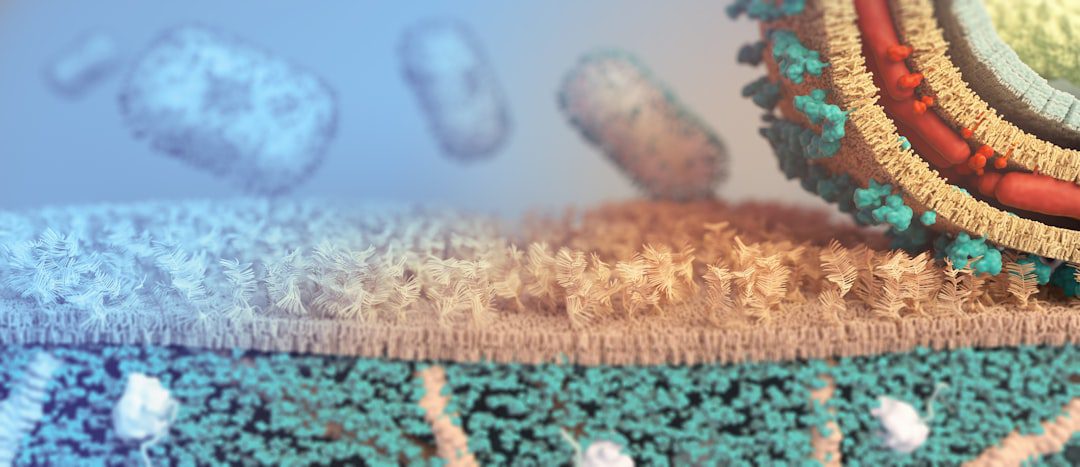
Photo by National Institute of Allergy and Infectious Diseases on Unsplash
Imagine a world where the most critical guardians of your health are not doctors or medicines, but tiny compounds fashioned by the bacteria residing in your gut. This is not fiction but a surprising reality uncovered by cutting-edge research into short-chain fatty acids (SCFAs). These compounds, produced by the fermentation of dietary fiber by gut bacteria, are not just passive byproducts; they actively influence a broad spectrum of bodily functions. From maintaining the integrity of your gut lining to impacting your brain function, their reach is profound and often unexpected.
Most people, including many healthcare providers, have traditionally underestimated the extent of influence these gut-produced compounds have. Often, the focus has been on dietary fiber’s role in digestion or the general concept of gut health, without diving into the specific agents at play. But in recent years, the spotlight has shifted to these SCFAs, revealing their pivotal role not only in localized gut health but also in systemic processes that affect overall well-being. This shift in understanding challenges the conventional wisdom that sees gut health as a separate entity from the rest of the body’s functions.
Why does this matter so much? The implications are vast. SCFAs such as acetate, propionate, and butyrate are more than just metabolic end-products; they are active participants in signaling pathways that regulate inflammation, energy metabolism, and even mental health. For instance, butyrate is known to fortify the gut barrier, preventing harmful substances from entering the bloodstream. Such a function is crucial in mitigating conditions like leaky gut syndrome, which has been linked to various autoimmune diseases and allergies. Furthermore, the influence of these compounds extends to the brain, where they can modulate mood and cognitive functions, suggesting potential therapeutic roles in mental health disorders.
By the end of this exploration, you’ll be equipped with actionable knowledge to make informed dietary and lifestyle choices that enhance your gut health through these powerful compounds. You’ll understand how to nurture your gut microbiota to bolster SCFA production, potentially improving not just your digestive health, but your overall vitality. This journey into the microscopic yet mighty world of SCFAs promises to reveal insights that could reshape your approach to health and wellness.
It’s remarkable to think that substances produced in the depths of our digestive system can have such a profound impact on our health and even our mood. This interconnectedness highlights the need for a systemic view of health, where the gut is not seen in isolation but as a dynamic player in the body’s overall function. The more we learn about SCFAs, the more we appreciate the complexity and sophistication of the human body and its reliance on seemingly small, microbiota-driven processes.
In the following sections, we will delve deeper into the specific roles of SCFAs, unraveling the mechanisms by which they exert their influence. We’ll explore the scientific evidence that underscores their importance, the potential risks associated with their deficiency, and how modern interventions are attempting to harness their benefits. With each step, we’ll uncover how this knowledge can be personalized to fit individual health needs, leading to concrete actions you can take to optimize your own health landscape. This journey will be as enlightening as it is empowering, bringing you closer to a more comprehensive understanding of your body’s inner workings.
What Are Short-Chain Fatty Acids?
Short-chain fatty acids (SCFAs) are powerful compounds that have captivated the scientific community due to their profound effects on human health. Produced as byproducts when gut bacteria ferment dietary fiber, SCFAs include acetate, propionate, and butyrate, among others. These compounds are not just passive players in the digestive system; they actively influence a range of bodily functions, from energy metabolism to immune modulation. The production of SCFAs is a complex process that begins with the intricate interactions within the gut microbiota, highlighting the importance of a diet rich in fiber. Unlike macronutrients that are digested in the stomach and absorbed in the small intestine, fibers reach the colon intact, providing a feast for specific gut microorganisms capable of breaking them down into SCFAs.
Biologically, the process of SCFA production is fascinating. Once dietary fibers reach the colon, they encounter a diverse microbial community. Among these microbes, certain bacteria specialize in fermenting these fibers, releasing SCFAs as metabolic end products. These bacteria, including species from genera such as Bacteroides and Firmicutes, play a crucial role in maintaining the gut environment’s health. The fermentation process is anaerobic, meaning it occurs in the absence of oxygen, which is typical of the gut’s environment. The resulting SCFAs are then absorbed into the bloodstream, where they can exert systemic effects. This absorption occurs primarily in the colon, where SCFAs are taken up by colonocytes, the cells lining the colon, providing an important source of energy.
The evidence supporting the health benefits of SCFAs is extensive, spanning multiple decades and geographical regions. Research has demonstrated a variety of roles for these compounds, from serving as an energy source for cells lining the gut to modulating the immune system’s function. Studies have shown that higher levels of SCFAs are associated with reduced inflammation and enhanced gut integrity, suggesting that these compounds might protect against diseases like inflammatory bowel disease and colorectal cancer. Mukhopadhya et al. (2025) in Nature Reviews Microbiology discussed how SCFAs influence the gut environment, impacting health outcomes. While causality in these studies can be challenging to establish, the associations are compelling enough to suggest that SCFAs are crucial for maintaining gut health.
The individual variation in SCFA production and response is another intriguing aspect. Factors such as genetics, age, diet, and baseline microbiome composition can significantly influence how much SCFAs are produced and how they affect the body. For instance, a diet high in resistant starches and fibers tends to increase SCFA production, but not everyone responds the same way. Some people with a similar diet may produce lower amounts of SCFAs due to differences in their gut microbiota composition. Furthermore, genetic variations can affect how SCFAs are metabolized, leading to varying health outcomes. This variability underscores the importance of personalized nutrition, where dietary recommendations might be tailored to an individual’s unique microbial makeup.
Understanding the counterintuitive aspects of SCFAs can also shift perspectives on diet and health. While fiber is often celebrated for its role in promoting digestive regularity, its fermentation into SCFAs is a less discussed but critical pathway. Many people may not realize that their gut bacteria convert fiber into these vital compounds, which then travel beyond the gut to exert systemic effects. This conversion illustrates how intimately connected diet and gut health are, challenging the simplistic notion that fiber’s primary benefit is solely related to bulk and bowel movement. It’s a reminder that the gut’s ecosystem plays a sophisticated role in translating dietary choices into health outcomes.
From a practical standpoint, understanding SCFAs allows individuals to make informed decisions about their dietary habits. Emphasizing a diet rich in diverse fibers, such as those found in fruits, vegetables, whole grains, and legumes, can promote the production of SCFAs, thereby supporting gut health. This knowledge empowers individuals to think beyond calories and macronutrients, considering instead how their food choices can influence the microbial world inside them. By focusing on fiber-rich foods, people can actively engage in nurturing a health-promoting gut environment, potentially staving off chronic diseases linked to poor gut health.
Historically, the understanding of SCFAs has evolved significantly. Initially, these compounds were considered mere metabolic byproducts without substantial physiological roles. However, as research into the gut microbiome has advanced, so too has the appreciation for SCFAs and their complex functions. The shift from viewing SCFAs as simple waste products to recognizing them as crucial signaling molecules reflects broader changes in how scientists understand the gut’s role in health. This evolving perspective has been driven by technological advances in microbiome research, allowing for deeper insights into how these compounds interact with human physiology.
Despite the growing recognition of SCFAs’ importance, some controversies remain within the scientific community. Questions persist about the optimal levels of SCFAs needed for health and the best dietary strategies to enhance their production. While some researchers advocate for high-fiber diets as the primary means to boost SCFA levels, others suggest a more nuanced approach, considering the types of fibers and individual variations in gut microbiota. These debates highlight the complexity of translating microbiome research into practical dietary guidelines. However, they also point to the dynamic nature of scientific inquiry, where new findings continually refine understanding.
A case vignette illustrates the potential impact of SCFAs on health. Consider an individual with a diet low in fiber, experiencing symptoms of digestive discomfort. Upon increasing fiber intake, they notice improvements in gut health and overall vitality. This transformation could be attributed to the enhanced production of SCFAs, reinforcing the idea that dietary choices can directly influence gut microbiota activity and, consequently, health outcomes. Such examples emphasize the practical implications of understanding SCFA production and its role in maintaining a healthy gut environment.
The discussion of SCFAs opens up intriguing questions about personalized nutrition and the future of dietary recommendations. As research continues to uncover the nuances of gut microbiota interactions, the potential for tailoring diets to enhance SCFA production becomes increasingly feasible. However, this also raises questions about accessibility and education—how can individuals be empowered to make dietary changes that promote SCFA production, and what role will healthcare providers play in guiding these choices?
While the mechanisms of SCFA action offer a glimpse into their potential, they do not fully explain why individuals with similar dietary patterns can experience vastly different health outcomes. This leaves room for further exploration into how genetic predispositions and microbial diversity influence SCFA production and function. As we continue to unravel the complexities of the gut-brain axis and the systemic impact of gut-derived compounds, the narrative around SCFAs will likely expand, providing new insights into their role in health and disease.
The Mechanisms Behind SCFA Influence
Short-chain fatty acids (SCFAs) are pivotal in modulating a range of bodily functions, primarily due to their interaction with specific cellular receptors and signaling pathways. This interaction is essential in regulating inflammation, a key factor in numerous chronic diseases. SCFAs, including acetate, propionate, and butyrate, bind to G protein-coupled receptors (GPCRs) on the surface of various cell types, triggering a cascade of intracellular events. These events can lead to the suppression of pro-inflammatory cytokine production, illustrating how SCFAs can modulate systemic immune responses. For instance, the activation of GPCR43 by butyrate in immune cells has been shown to reduce the secretion of cytokines like TNF-alpha, a potent inflammatory mediator. This interaction highlights an intriguing mechanism by which these gut-derived metabolites can exert anti-inflammatory effects far beyond the gut itself.
In a clinical setting, such as a gastrointestinal clinic, patients with chronic inflammatory conditions might benefit from interventions aimed at enhancing SCFA production. Dietary adjustments to increase fiber intake can promote the growth of beneficial gut bacteria that produce SCFAs, potentially improving inflammatory status. This approach could be particularly beneficial for individuals with conditions like irritable bowel syndrome or inflammatory bowel disease, where dysregulated inflammation plays a significant role. The efficacy of such interventions can vary based on individual factors, including the baseline composition of their gut microbiota and genetic predispositions. Thus, understanding the nuances of SCFA production and action could inform personalized dietary recommendations in clinical practice.
Metabolism is another domain where SCFAs exert profound effects. These compounds serve as substrates for energy production, particularly in the colon, where butyrate is a primary energy source for colonocytes. This energy provision is crucial for maintaining the integrity of the gut lining and preventing conditions such as leaky gut. Additionally, SCFAs influence systemic metabolic processes, including lipid and glucose metabolism. For instance, propionate has been implicated in reducing hepatic lipogenesis and improving insulin sensitivity. By modulating these metabolic pathways, SCFAs can contribute to the maintenance of healthy body weight and energy balance, potentially reducing the risk of metabolic disorders like obesity and type 2 diabetes.
Individual variability in response to SCFAs is a fascinating area of study. Factors such as diet, genetics, age, and the existing composition of the gut microbiome all play a role in determining how effectively an individual can produce and utilize SCFAs. For example, some people may have a microbiota composition that is inherently more efficient at fermenting dietary fibers into SCFAs, leading to more pronounced physiological effects. Conversely, those with a less favorable microbiota might require targeted dietary interventions or probiotic supplementation to achieve similar benefits. This variability underscores the importance of personalized approaches in nutrition and health, where one-size-fits-all recommendations may not be effective.
A surprising aspect of SCFA influence is their role in appetite regulation, which is not immediately intuitive given their primary production site in the gut. SCFAs can stimulate the release of appetite-suppressing hormones like peptide YY (PYY) and glucagon-like peptide-1 (GLP-1) from the gut. These hormones signal the brain to reduce food intake, contributing to energy homeostasis. This mechanism suggests that boosting SCFA production through diet could be a strategic approach to managing overeating and related metabolic issues. However, the extent to which this mechanism influences long-term weight management remains an area of active research.
From a historical perspective, the significance of SCFAs has evolved considerably. Initially, they were merely considered byproducts of fermentation with limited physiological relevance. However, as research delved deeper into gut microbiota and its metabolites, SCFAs emerged as critical players in health and disease. This shift in understanding has been driven by advancements in analytical techniques and a growing appreciation for the role of the gut as a central regulator of numerous bodily functions. The burgeoning interest in SCFAs reflects a broader trend in recognizing the importance of gut health in overall wellness, prompting a reevaluation of dietary guidelines and therapeutic strategies.
In practical terms, understanding the mechanisms by which SCFAs influence bodily functions can empower individuals to make informed dietary choices. For example, increasing fiber intake to boost SCFA production may not only enhance gut health but also provide systemic benefits, such as improved metabolic health and reduced inflammation. This knowledge can guide decisions around food choices and lifestyle modifications, making it relevant for anyone looking to optimize their health through diet.
Despite the promising roles of SCFAs, there remains some controversy regarding their long-term effects and the best strategies to enhance their production. Some experts argue for high-fiber diets as the optimal approach, while others emphasize the potential of prebiotics and probiotics to selectively promote beneficial bacteria. These differing perspectives highlight the complexity of gut microbiota interactions and the challenge of translating scientific findings into practical dietary recommendations. For readers, this means navigating a landscape where expert opinions may diverge, necessitating a personalized approach to health that considers individual needs and responses.
The potential of SCFAs to influence health is vast, yet there are nuances and subtleties that remain to be fully understood. For instance, the impact of SCFAs on mental health is an emerging area of interest, with preliminary studies suggesting links between SCFA levels and mood disorders. These findings could pave the way for novel therapeutic approaches that leverage the gut-brain axis to improve mental health outcomes. Thus, as our understanding of SCFA mechanisms expands, so too does the horizon of possibilities for their application in health and medicine.
As we explore the myriad ways SCFAs influence our physiology, questions about their broader implications arise. How might individual differences in microbiota composition alter the response to dietary interventions aimed at boosting SCFA production? And what role do these compounds play in conditions beyond the gut, such as cardiovascular disease or neurodegenerative disorders? The answers to these questions could redefine our approach to health and nutrition, underscoring the importance of continued research in this dynamic field. With the potential for personalized dietary strategies on the horizon, the journey of understanding SCFAs is only just beginning.
The Evidence Supporting SCFA Health Benefits
The scientific community increasingly recognizes the multifaceted roles that short-chain fatty acids (SCFAs) play in promoting human health. Emerging research suggests these compounds, primarily produced by gut microbiota during fiber fermentation, have significant implications for gut health, metabolic functions, and mental well-being. While the mechanisms of SCFAs have been explored extensively, the breadth of empirical evidence supporting their health benefits continues to expand. This section delves into the scientific studies and clinical insights that underpin our understanding of these beneficial compounds. One compelling area of research focuses on the role of SCFAs in maintaining gut integrity and preventing conditions like leaky gut syndrome. Studies have provided evidence that SCFAs, particularly butyrate, enhance the expression of tight junction proteins, which are crucial for maintaining the intestinal barrier. A compromised barrier can lead to increased intestinal permeability, allowing toxins and pathogens to enter the bloodstream, potentially triggering systemic inflammation and related diseases. By reinforcing the gut’s structural integrity, SCFAs help prevent such deleterious outcomes, highlighting their importance in maintaining gastrointestinal health. Besides enhancing gut integrity, SCFAs are linked to modulating inflammation, a key factor in numerous chronic diseases. Butyrate, for instance, acts as an inhibitor of histone deacetylases, which play a role in gene expression regulation. By modulating these enzymes, butyrate can exert anti-inflammatory effects, reducing the risk of inflammatory bowel diseases and possibly other systemic inflammatory conditions. This mechanism underscores the potential of SCFAs as therapeutic agents in managing and preventing inflammation-driven disorders. While the benefits of SCFAs on gut health are well-documented, their impact on metabolic health is equally noteworthy. Research indicates that these compounds influence energy metabolism by serving as substrates for energy production in colonocytes and regulating lipid and glucose metabolism. SCFAs, especially acetate and propionate, have been shown to affect the release of gut hormones like peptide YY and glucagon-like peptide-1, which play roles in satiety and insulin secretion. This hormonal modulation can lead to improved glucose homeostasis and energy balance, suggesting that SCFAs may be beneficial in managing obesity and type 2 diabetes. The effects of SCFAs extend beyond physical health, with intriguing implications for mental well-being. There’s growing interest in the gut-brain axis, a bidirectional communication network linking the gut and the brain. SCFAs may influence brain health by crossing the blood-brain barrier and interacting with central nervous system receptors. Preliminary studies suggest that these compounds can modulate neurotransmitter systems and neuroinflammation, potentially impacting conditions like depression and anxiety. While the exact pathways remain to be fully elucidated, the potential mental health benefits of SCFAs warrant further exploration. Individual responses to SCFAs can vary based on factors such as genetics, diet, and the pre-existing composition of one’s gut microbiota. This variability is crucial in understanding why some individuals experience more pronounced benefits from SCFA-rich diets than others. For instance, individuals with a diverse microbiota may produce a broader spectrum of SCFAs and, consequently, experience more significant health improvements. This highlights the importance of personalized approaches in dietary recommendations targeting SCFA production and underscores the complexity of the gut ecosystem. Despite the growing body of evidence supporting the benefits of SCFAs, some areas of scientific inquiry remain contentious. For example, while SCFAs are generally associated with anti-inflammatory effects, some studies suggest that they might exacerbate inflammation under certain conditions or in specific individuals. This discrepancy highlights the need for further research to delineate the contexts in which SCFAs might be beneficial or detrimental. Understanding these nuances can guide more effective interventions and help mitigate potential adverse effects. Practical applications of SCFA research are beginning to influence dietary guidelines and public health recommendations. Recognizing the health benefits of these compounds, experts advocate for increased consumption of dietary fiber, which serves as a substrate for SCFA production. Foods rich in fermentable fibers, such as fruits, vegetables, and whole grains, are emphasized for their potential to enhance SCFA production and, by extension, improve health outcomes. This practical shift in dietary guidance reflects a deeper understanding of the pivotal role that gut microbiota and their metabolic byproducts play in human health. The historical context of SCFA research reveals a shift from a focus on individual nutrients to a more holistic view of food as a complex matrix influencing gut microbiota and health. Initially, SCFAs were primarily studied in the context of energy metabolism within the colon. However, as our understanding of microbiota-host interactions has evolved, so too has our appreciation for the systemic effects of these compounds. This paradigm shift underscores the importance of integrating microbiome science into broader nutritional and health frameworks. Real-world implications of SCFA research are becoming increasingly evident as more people seek to optimize their gut health through diet. Awareness of the links between dietary habits, gut microbiota, and SCFA production empowers individuals to make informed dietary choices that can enhance well-being. For example, increasing fiber intake can be a simple yet effective strategy for boosting SCFA levels and, consequently, reaping their health benefits. This practical application of scientific insights marks a promising trend in personalized nutrition and preventative health. The consensus in the field now emphasizes the critical role SCFAs play in health maintenance and disease prevention. However, the journey of understanding these compounds is far from complete. As new research emerges, it is likely to uncover additional dimensions of SCFA action and interaction within the body, further refining our approach to diet and health. The potential for personalized dietary strategies beckons, inviting questions about how to best harness SCFAs for individual health optimization. As we venture further into the complexities of SCFA research, the promise of these compounds in shaping health outcomes becomes increasingly apparent. Yet, intriguing questions remain about their precise mechanisms and applications. What remains uncharted is how these insights can be translated into broad public health initiatives or tailored interventions that maximize SCFA benefits.
Complications from SCFA Deficiency
A deficiency in short-chain fatty acids (SCFAs) can have profound implications for gut health, leading to a cascade of adverse effects throughout the body. SCFAs like acetate, propionate, and butyrate play pivotal roles in maintaining gut integrity by nourishing colonocytes and influencing the formation of tight junctions. When these compounds are in short supply, the intestinal barrier may become compromised, potentially resulting in a condition commonly referred to as “leaky gut.” This allows pathogens and toxins to enter the bloodstream more easily, triggering an immune response that can exacerbate systemic inflammation. Therefore, maintaining adequate levels of SCFAs is crucial for preserving the protective functions of the gut lining. The impact of SCFA deficiency extends beyond the gut, affecting metabolic processes and contributing to the onset of various diseases. Research suggests that low levels of SCFAs can disrupt glucose metabolism and insulin sensitivity, which may, in turn, increase the risk of developing metabolic disorders such as type 2 diabetes. For instance, butyrate has been shown to enhance insulin sensitivity by activating specific pathways in adipose tissue, and its absence can hinder this regulatory mechanism. This highlights the interconnectedness of gut-derived compounds and systemic metabolic health, underscoring the importance of dietary strategies that promote SCFA production. Another significant consequence of inadequate SCFA levels is the heightened risk of inflammatory diseases. SCFAs have anti-inflammatory properties that are essential in modulating the immune system’s response. In their absence, the body may experience an overactive immune response, potentially leading to chronic inflammatory conditions such as inflammatory bowel disease (IBD) and rheumatoid arthritis. The mechanisms through which SCFAs exert these effects involve the regulation of cytokine production and the modulation of immune cell activity. By influencing these pathways, SCFAs help maintain a balanced immune response, protecting against excessive inflammation. For example, older adults may experience a more pronounced impact due to age-related changes in gut microbiota diversity, which can reduce SCFA production. Similarly, genetic variations that affect gut flora composition or SCFA metabolism can result in differing susceptibilities to deficiency-related complications. This diversity highlights the importance of personalized approaches to maintaining gut health, as interventions that boost SCFA production may need to be tailored to individual needs. The cross-population replication of findings regarding SCFA deficiency suggests a universal biological underpinning, despite the diversity in dietary habits and genetic backgrounds. A 2024 study by Hays et al. in “Gut Microbes” found that populations from different ethnic backgrounds, ranging from Asian to European cohorts, exhibited similar metabolic responses to SCFA levels, emphasizing the broad relevance of these compounds in global health contexts. This cross-cultural consistency underscores the potential for SCFA-targeted dietary interventions to have widespread applicability, although individual customization remains crucial. One surprising aspect of SCFA deficiency is how it can be overlooked in discussions of gut health, where the focus often centers on probiotics and fiber. While these elements are indeed vital, the specific roles of SCFAs in maintaining gut integrity and systemic health are frequently underestimated. This oversight can lead to a lack of emphasis on dietary habits that specifically enhance SCFA production, such as the consumption of high-fiber, plant-based diets. Recognizing the distinct contributions of SCFAs can help shift dietary recommendations towards strategies that ensure adequate SCFA synthesis, thereby improving gut and metabolic health. Practically, understanding the implications of SCFA deficiency encourages readers to reconsider their dietary choices and their potential impact on health. For those experiencing symptoms of gut dysbiosis or metabolic irregularities, increasing the intake of fibers that fuel SCFA production could be a beneficial strategy. Foods rich in resistant starches, inulin, and pectin are particularly effective in promoting the fermentation processes that lead to SCFA synthesis. By focusing on these dietary elements, individuals can support their intestinal ecosystem and potentially mitigate the risk of diseases associated with SCFA deficiency. Historically, the understanding of SCFA roles in health has evolved significantly. Initially, SCFAs were primarily considered as energy sources for colonocytes. Over time, research revealed their broader physiological impacts, including their influence on the immune system and metabolic pathways. This evolution in scientific perspective has been driven by advances in microbiome research, which have illuminated the complex interactions between gut bacteria and host health. As our understanding deepens, the potential for SCFAs to be leveraged in therapeutic contexts continues to grow, offering new avenues for addressing chronic health issues. Despite a robust body of evidence supporting the importance of SCFAs, some controversies persist. There is ongoing debate about the optimal levels of SCFAs needed to prevent deficiencies and the best dietary sources to achieve these levels. While some experts advocate for a high intake of diverse fibers, others emphasize the role of specific prebiotic supplements. This lack of consensus can create confusion for those seeking to optimize their gut health through diet. Navigating these differing viewpoints requires a careful consideration of individual health needs and potential responses to dietary interventions. The complexity of SCFA interactions within the body means that even with a comprehensive understanding of their roles, there are still questions about how best to harness their benefits for health. As research continues to shed light on these compounds, the challenge lies in translating scientific insights into practical, actionable steps for individuals seeking to enhance their health. This requires a nuanced approach that considers the multifaceted effects of SCFAs and the various factors influencing their production and efficacy. As we explore interventions to boost SCFA levels, the tension between scientific insight and practical application becomes apparent. While understanding the mechanisms behind SCFA deficiency is critical, the journey towards effective solutions involves bridging the gap between laboratory findings and everyday dietary practices. How can individuals translate knowledge into actions that promote a thriving gut environment and overall health? This question beckons, setting the stage for further exploration into actionable strategies that enhance SCFA production and optimize health outcomes.
Interventions to Boost SCFA Levels
Maximizing the production of short-chain fatty acids (SCFAs) in the gut hinges significantly on dietary modifications. These modifications primarily involve increasing the intake of dietary fibers, which serve as the primary substrates for gut bacteria to ferment into SCFAs. The mechanism here is straightforward: fibers such as inulin, pectin, and resistant starches reach the colon largely undigested, where they become food for beneficial microbes. This fermentation process results in the production of SCFAs like butyrate, acetate, and propionate, which are essential for maintaining gut health and supporting systemic functions. By deliberately choosing foods rich in these fibers, individuals can effectively enhance their SCFA levels, thereby promoting a healthier intestinal ecosystem.
While increasing fiber intake is a clear strategy, individual variations in microbiome composition can impact the effectiveness of this intervention. Each person’s gut microbiome is unique, shaped by factors such as genetics, diet, and lifestyle, which means the same dietary changes can produce different outcomes in different individuals. For instance, someone with a microbiome rich in Bacteroides may respond better to fiber from fruits and vegetables compared to someone whose gut is dominated by Firmicutes. This variability underscores the importance of personalized nutrition plans tailored to an individual’s microbial profile, potentially optimizing SCFA production and, consequently, gut health.
Probiotics also play a crucial role in boosting SCFA levels, offering a practical avenue for intervention. These live microorganisms, when administered in adequate amounts, confer health benefits by enhancing the diversity and function of the gut microbiome. Certain strains of probiotics, such as Bifidobacterium and Lactobacillus, have been shown to increase the production of SCFAs through their metabolic activities. By integrating probiotic-rich foods like yogurt, kefir, and sauerkraut into the diet, or by taking probiotic supplements, individuals can support a more robust production of these beneficial compounds, further strengthening their gut integrity and overall systemic health.
However, the probiotic approach is not without its complexities. The efficacy of probiotics in boosting SCFA production can vary significantly among individuals due to differences in existing microbiome composition and other personal health factors. Some people may experience a substantial increase in SCFA levels with probiotic supplementation, while others might see minimal changes. This discrepancy points to a need for more precise probiotic formulations that cater to individual microbiome profiles, ensuring that the chosen strains can thrive and enhance SCFA production effectively within specific gut environments.
One counterintuitive aspect of enhancing SCFA levels lies in the role of high-fat diets. Traditionally, high-fat diets are viewed as detrimental to gut health, but recent findings suggest that the type of fat consumed can influence SCFA production positively. For instance, diets high in monounsaturated and polyunsaturated fats, such as those found in olive oil and fish, have been linked to increased SCFA production. These fats may alter the gut microbiota composition in a way that favors the growth of SCFA-producing bacteria, challenging the simplistic notion that all fats negatively impact gut health. This insight encourages a more nuanced view of dietary fats in relation to microbiome health and SCFA production.
The historical context of SCFA research reveals a gradual shift from understanding these compounds merely as byproducts of bacterial fermentation to recognizing them as pivotal players in human health. Initially, SCFAs were considered minor metabolites with limited systemic impact. However, as research progressed, their role in regulating inflammation, metabolism, and even mental health became increasingly apparent. This evolution in understanding has fueled interest in interventions that can naturally augment SCFA levels, highlighting the importance of dietary and probiotic strategies in achieving these health benefits.
Real-world implications of boosting SCFA levels extend beyond gut health, influencing decisions related to chronic disease prevention and management. As Mukhopadhya et al. (2025) suggest, enhancing SCFA production may offer protective effects against conditions such as obesity, diabetes, and inflammatory bowel diseases. This potential positions dietary and probiotic interventions not only as tools for improving gut health but also as preventive measures against broader health challenges. For individuals seeking to mitigate the risk of these conditions, modifying their dietary habits to promote SCFA production becomes a compelling strategy.
Despite the promising avenues for boosting SCFA levels, controversies remain regarding the optimal types and amounts of dietary fibers and probiotics necessary for different individuals. Experts continue to debate the most effective combinations and dosages, reflecting the complexity of gut microbiome interactions. These disagreements highlight the need for ongoing research to refine guidelines and recommendations, ensuring that interventions are both safe and effective for diverse populations. Understanding these nuances empowers individuals to make informed decisions about their dietary choices and probiotic use, tailoring approaches to their unique health needs.
The practical implications of these findings are clear: by consciously incorporating fiber-rich foods and probiotics into their diets, individuals can actively participate in enhancing their gut health and systemic well-being. This proactive approach not only supports immediate digestive health but also lays the groundwork for long-term health resilience. For those navigating the complexities of modern dietary choices, the knowledge that simple interventions can have profound effects on SCFA production and health is both empowering and motivating.
Looking ahead, the challenge lies in integrating these insights into personalized health strategies that account for the diverse needs and responses of individuals. As we consider the interplay of diet, microbiome, and SCFA production, questions about how to optimize these relationships for maximum health benefit remain. This exploration opens the door to a deeper understanding of how tailored interventions can transform gut health, inviting readers to consider how their own choices might pave the way for improved physiological outcomes.
Personalizing SCFA Benefits
Harnessing the potential of short-chain fatty acids (SCFAs) for individualized health strategies hinges on understanding the biological mechanisms that drive their production and function. At the heart of this endeavor lies the diverse ecosystem of the intestinal microbiome, which ferments dietary fibers into SCFAs. This process involves a complex interplay of microbial species, each contributing differently to SCFA synthesis. Specific bacterial strains, such as those from the genera Bacteroides and Firmicutes, are known to produce varying proportions of butyrate, acetate, and propionate. The balance among these SCFAs can significantly influence metabolic and inflammatory pathways throughout the body. By decoding the unique microbial composition of an individual’s gut, we can better predict how different dietary inputs will affect SCFA profiles and, consequently, tailor dietary strategies to enhance health outcomes.
Personalizing SCFA benefits also requires a keen awareness of how individual variation in baseline microbiome composition affects response to dietary interventions. Genetic factors, pre-existing health conditions, and even medication use can alter microbial populations and their SCFA-producing capabilities. For instance, some individuals may have a natural predisposition for higher acetate production, which has been linked to metabolic health benefits such as improved insulin sensitivity. Conversely, others might predominantly produce butyrate, known for its anti-inflammatory properties and ability to maintain gut barrier integrity. This variation underscores the necessity for personalized dietary recommendations that align with each person’s unique microbial and genetic landscape.
The evidence supporting personalized SCFA interventions is compelling, with studies highlighting significant differences in health outcomes based on individual microbiome profiles. Research suggests that personalized diets, designed to optimize SCFA production, can lead to more effective management of conditions like irritable bowel syndrome (IBS) and metabolic disorders. A 2024 study published in Gut Microbes by Hays et al. suggests that tailored dietary interventions could potentially modulate SCFA levels and improve clinical outcomes in patients with inflammatory bowel diseases (IBD). While the findings remain preliminary, they provide a promising avenue for future research into personalized nutrition.
Despite the growing interest in customizing SCFA-related health benefits, there remain counterintuitive aspects that challenge conventional dietary wisdom. One surprising element is that simply increasing fiber intake does not uniformly boost SCFA production across all individuals. While fiber is a well-known substrate for SCFA synthesis, its effectiveness varies depending on the specific types of fibers consumed and the individual’s existing gut microbial composition. Some fibers may preferentially promote the growth of bacteria that produce one type of SCFA over another, leading to differential health effects. This complexity suggests that a one-size-fits-all approach to fiber supplementation may be inadequate for maximizing SCFA benefits.
Furthermore, the interplay between diet and microbiome is not static; it evolves with changes in lifestyle, stress levels, and health status. This dynamic nature means that dietary strategies must be continuously adapted to maintain optimal SCFA production. For instance, stress-induced alterations in gut motility and permeability can shift microbial populations, potentially reducing the efficacy of previously successful dietary interventions. Recognizing and adapting to these changes is crucial for maintaining the desired balance of SCFAs and their associated health benefits over time.
Practical implications for readers considering personalized SCFA strategies are significant. By prioritizing a varied and fiber-rich diet, individuals can support a diverse gut microbiome capable of producing a beneficial spectrum of SCFAs. However, the key lies in selecting fiber sources that align with their unique microbial profile. For those unsure of their specific needs, consulting with a healthcare professional or a nutritionist who can analyze their microbiome could provide valuable insights. This tailored approach not only maximizes the health advantages associated with SCFA production but also empowers individuals to take control of their digestive and metabolic health.
To illustrate the potential of personalized SCFA approaches, consider a case vignette of two individuals with similar dietary habits but markedly different health outcomes. Despite both consuming a high-fiber diet, one may experience significant improvements in blood sugar levels and gut health, while the other sees minimal changes. Upon closer examination, it becomes evident that their gut microbiomes differ substantially, with one harboring a higher abundance of butyrate-producing bacteria. This example highlights the importance of understanding individual microbiome diversity to optimize dietary strategies and underscores the limitations of generalized nutrition advice.
The historical context of SCFA research reveals a trajectory from broad dietary recommendations to more nuanced, individualized approaches. Initially, the focus was on increasing fiber intake as a blanket strategy to enhance gut health. However, as our understanding of the microbiome’s complexity has deepened, the emphasis has shifted towards personalized nutrition. This transition is reflective of broader trends in healthcare, where personalization and precision medicine are becoming increasingly important. Understanding the historical evolution of SCFA research can provide valuable insights into current practices and future directions.
As with any rapidly evolving field, controversy exists regarding the best methods for personalizing SCFA benefits. Some experts advocate for the use of microbiome testing to guide dietary interventions, while others caution against over-reliance on these tests due to their current limitations. The debate revolves around the accuracy and predictive value of microbiome analyses, as well as the ethical considerations of personalized health recommendations. For readers, navigating these competing perspectives requires a critical assessment of available evidence and an understanding of their own health priorities.
The journey towards personalized SCFA benefits is filled with both promise and complexity. As we delve deeper into the mechanisms driving SCFA production and function, the potential for individualized health strategies becomes increasingly tangible. However, the path is not without its challenges, as ongoing research continues to unravel the relationship between diet, microbiome, and health. The next question becomes: how can consumers effectively integrate these insights into their daily lives to achieve tangible health outcomes?
Your Action Plan: Boosting Gut Health with SCFAs
To enhance your gut health through the production of short-chain fatty acids (SCFAs), incorporating fiber-rich foods and probiotics into your diet is essential. Research suggests that dietary fiber serves as the primary substrate for the fermentation process that produces SCFAs. This means that a diet deficient in fiber may hamper your body’s ability to generate these vital compounds. Aiming for a daily intake of 25-30 grams of fiber can significantly impact your intestinal ecosystem, improving not just your gut health but also metabolic and mental well-being. Starting with an incremental increase of 5 grams per week can help mitigate any gastrointestinal discomfort, such as bloating, that might occur with sudden dietary changes.
In the second week, consider diversifying your fiber sources. While grains and cereals are commonly rich in fiber, fruits, vegetables, nuts, and seeds offer a broad spectrum of fibers that nourish different bacteria in the gut. Each type of fiber feeds distinct microbial communities, promoting a balanced and resilient gut microbiome. This diversity is crucial because a varied microbiome is generally more capable of producing a range of SCFAs, each with its unique health benefits. For instance, butyrate, a specific SCFA, is known to support the integrity of gut lining and reduce systemic immune response.
Probiotics, live bacteria that can confer health benefits, are another cornerstone of boosting SCFA production. Although yogurt is a well-known source, fermented foods like kefir, sauerkraut, and kimchi might be even more effective due to their diverse bacterial content. These fermented foods introduce beneficial bacteria to your gut, which can enhance the fermentation of fibers into SCFAs. Over weeks two to four, gradually integrating these foods into your meals—aiming for a serving each day—can help sustain a robust microbial community.
Understanding individual variation in response to dietary changes can be pivotal. Factors like genetics, age, and baseline microbiome composition significantly influence how effectively one’s gut produces SCFAs. For example, older adults may require higher amounts of fiber or more frequent probiotic intake to achieve similar SCFA levels seen in younger individuals. Recognizing these differences can help tailor dietary strategies to optimize SCFA production for your specific needs, making it a more personalized approach.
If you notice no improvement in your digestive health by the end of the fourth week, it may be time to consult a healthcare provider. Symptoms such as persistent bloating, irregular bowel movements, or unexplained fatigue might indicate an underlying issue that requires professional evaluation. It’s essential to monitor these signs closely and seek medical advice if they persist despite dietary adjustments.
The past few decades have witnessed a burgeoning interest in understanding how SCFAs, as byproducts of fiber fermentation, impact health. Mukhopadhya et al. (2025) suggest that while the scientific community acknowledges the role of SCFAs in maintaining gut health, the precise mechanisms remain a subject of ongoing investigation. This underscores the importance of staying informed on new research developments, which could refine your approach to dietary interventions.
Some readers may find it counterintuitive that not all fibers are equally effective in promoting SCFA production. Soluble fibers, like those found in oats, beans, and apples, are more readily fermented by gut bacteria, making them particularly beneficial for SCFA generation. Insoluble fibers, although important for bowel regularity, do not contribute as significantly to SCFA production. This nuanced understanding can help you make informed dietary choices tailored to enhancing your gut health.
Practical implications of these insights extend beyond dietary changes. Recognizing the value of incremental progress, rather than drastic overhauls, can foster long-term sustainability. By setting realistic goals and measuring progress through tangible markers like improved digestion or increased energy levels, you are more likely to maintain these beneficial habits.
While scientific debates continue about the most effective strategies for optimizing gut health, the consensus leans toward balanced, fiber-rich diets supplemented with probiotics. Despite the complexity of the gut microbiome, these accessible lifestyle changes offer a proactive route to better health. Remember, it’s not just about eating more fiber or taking probiotics; it’s about understanding and harnessing the power of SCFAs to transform your health.
Ultimately, your gut health is a marathon, not a sprint. By consciously incorporating these dietary changes, you can nurture a more resilient gut microbiome, optimizing your body’s production of SCFAs. As you embark on this journey to better gut health, keep this mantra in mind: “Feed your gut well, and it will return the favor.”