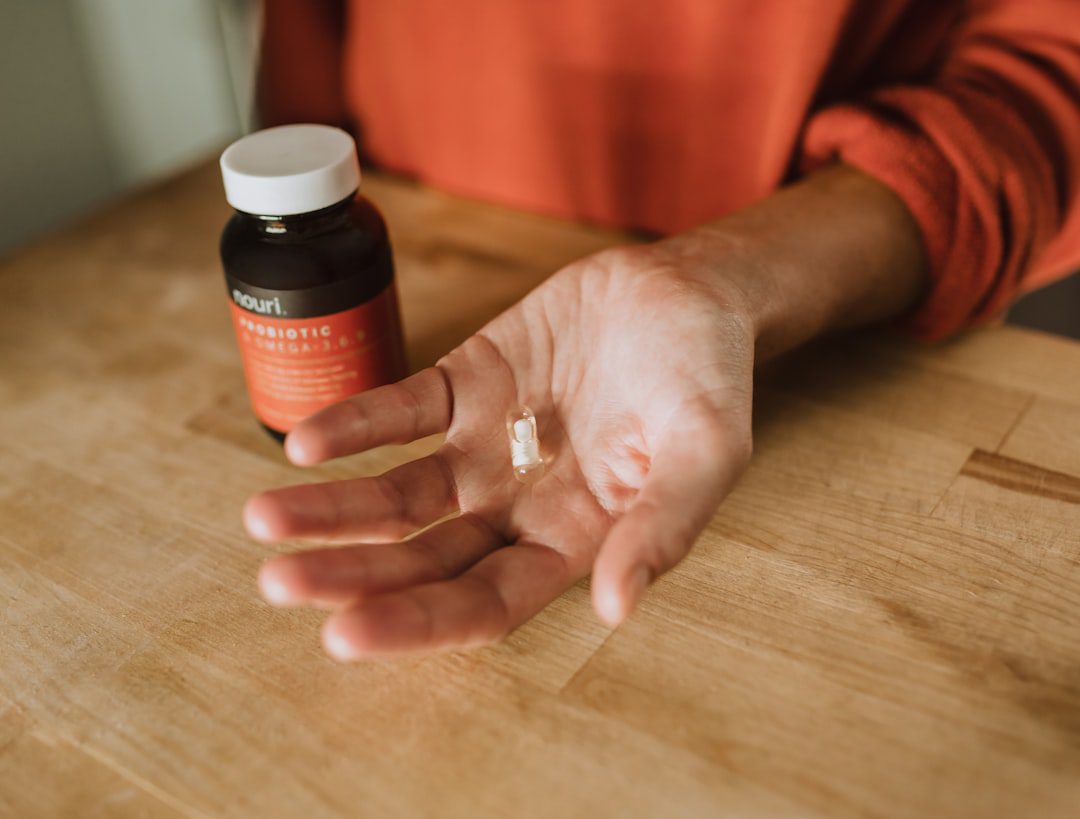
Photo by Daily Nouri on Unsplash
Imagine this: antibiotics, lifesavers in the world of medicine, are often double-edged swords when it comes to your gut health. While they effectively eliminate bacterial infections, they simultaneously wreak havoc on your gut microbiome, the community of microorganisms residing in your digestive tract. Here’s the surprising twist—recent studies suggest that exercise, an activity not typically associated with gut health, may have a remarkable role in helping your gut recover from antibiotic damage. Yes, physical activity might be a key player in restoring your gut’s balance after an antibiotic assault.
Most people, and even many healthcare professionals, often overlook the gut microbiome’s delicate balance when prescribing antibiotics. The common belief is that antibiotics, by design, target harmful bacteria, sparing the beneficial ones. However, the reality is more nuanced. Antibiotics are not picky eaters; they indiscriminately kill both harmful and beneficial bacteria. This indiscriminate action can lead to a depleted and imbalanced gut microbiome, sometimes causing lasting effects. Many experts now recognize that this disruption can lead to digestive issues, weakened immune function, and even contribute to conditions such as irritable bowel syndrome.
The stakes are higher than you might think. The gut microbiome plays a pivotal role in various aspects of health, from digestion and nutrient absorption to immune system support and even mental well-being. A disrupted gut microbiome can lead to a cascade of health issues, some of which might not immediately be linked to gut health. For instance, a weakened gut can impair the body’s ability to fend off infections or might influence mood and cognitive function due to the gut-brain axis. This connection means that maintaining a healthy gut is essential not just for physical health but for overall well-being.
By the end of this article, you’ll have a clearer understanding of how antibiotics impact your gut and what you can do to recover. We’ll explore the mechanisms behind antibiotic-induced gut disruption, delve into the latest research on recovery strategies, and provide practical, actionable steps you can take to restore your gut health. You’ll learn about the unexpected role of exercise in gut recovery and discover how diet and lifestyle changes can support your journey back to a balanced microbiome.
Antibiotics are a marvel of modern medicine, but their impact on the gut microbiome is profound. The gut, often referred to as the body’s “second brain,” is a complex ecosystem that thrives on balance. Disrupting this balance, as antibiotics often do, can lead to a host of issues. However, emerging research offers hope. Studies on athletes and their gut microbiota reveal that exercise not only promotes a more diverse and robust gut flora but may also aid in recovery post-antibiotics. This finding challenges the conventional view that diet alone dictates gut health and opens new avenues for recovery.
Understanding the microbiome’s role in health is essential to grasp why its balance is so critical. The gut microbiota is involved in nutrient absorption, vitamin production, and immune regulation. It even communicates with the brain, influencing mood and behavior. When antibiotics disrupt this harmony, the effects can be far-reaching. Fortunately, the gut is resilient. With the right strategies, including possibly integrating exercise, you can support its recovery and maintain overall health.
In conclusion, antibiotics are a necessary tool in combating infections, but their impact on gut health is significant. By understanding the damage they cause and the recovery process, you can take proactive steps to restore your gut’s balance. This not only improves digestive health but also bolsters your immune system and enhances your overall well-being. Stay tuned as we dive deeper into each aspect of this journey, unraveling the science behind gut recovery and offering practical solutions to help you regain and maintain a healthy gut microbiome.
How Antibiotics Disrupt Your Gut Microbiome
Antibiotics, while invaluable for treating bacterial infections, have a profound impact on the intestinal ecosystem that can lead to unintended health consequences. These medications are designed to target and eliminate bacteria, but they cannot distinguish between harmful pathogens and beneficial microbes residing in the gut. When antibiotics are introduced into the body, they initiate a cascade of changes, often resulting in a significant reduction in microbial diversity. This microbial shift can pave the way for dysbiosis, a state where harmful bacteria outcompete beneficial species, potentially leading to digestive issues and compromised immune function. The biological mechanism behind this disruption begins with the broad-spectrum action of many antibiotics. These drugs are formulated to attack a wide range of bacteria, ensuring that infections are swiftly brought under control. However, this non-selective approach disrupts the gut’s microbial balance by wiping out beneficial bacteria that play critical roles in digestion and nutrient absorption. For example, beneficial strains such as Bifidobacteria and Lactobacilli often suffer heavy losses, which can impair the gut’s ability to produce essential short-chain fatty acids (SCFAs) like butyrate. SCFAs are crucial for maintaining gut health, supporting the integrity of the gut lining, and modulating inflammation. The implications of this microbial imbalance are far-reaching. With a diminished population of beneficial microbes, the gut becomes more susceptible to colonization by opportunistic pathogens such as Clostridium difficile, which can cause severe diarrhea and inflammation. This shift not only affects the gut directly but can also trigger systemic immune responses, potentially exacerbating conditions like irritable bowel syndrome (IBS) and inflammatory bowel disease (IBD). Moreover, the disruption of the gut microbiota can also influence metabolic pathways, potentially affecting weight management and glucose metabolism. Scientific evidence supports these observations by illustrating how antibiotics impact the gut microbiome across various populations and age groups. A study published in Microbiome by Vicentini et al. (2021) examined data from numerous patients and found that antibiotic use consistently led to decreased microbial diversity and altered metabolic functions within the gut. Such findings underscore the importance of considering the long-term effects of antibiotics on gut health, particularly for individuals who may require multiple courses over their lifetime. These insights highlight the need for careful prescription practices and consideration of alternative treatments when appropriate. For instance, some people may experience a rapid return to their baseline microbial state post-antibiotic treatment, while others struggle with prolonged dysbiosis. Genetic predispositions can dictate how well a person’s gut microbiome can recover, while dietary habits—such as fiber intake—can either support or hinder microbial restoration. Understanding these variations is crucial for developing personalized strategies to mitigate the adverse effects of antibiotics on the gut. A surprising aspect of antibiotic impact on gut health is the counterintuitive consequences of seemingly harmless prescriptions. Many people assume that short courses of antibiotics, or those taken for minor infections, have minimal effect on their gut microbiota. However, research indicates that even brief exposures can lead to significant microbial shifts, sometimes lasting months. This underlines the importance of cautious antibiotic use and the need for public education on the potential long-term effects of seemingly routine medical treatments. The historical context of antibiotic discovery and use provides additional insights into the current challenges. Initially hailed as miracle drugs, antibiotics have saved countless lives since their introduction in the mid-20th century. However, as their usage expanded, so did the understanding of their drawbacks, including the risk of antibiotic resistance and microbiome disruption. This evolving knowledge has prompted the medical community to seek new approaches, such as narrower-spectrum antibiotics and probiotics, to minimize the collateral damage to the gut. Despite these advances, controversy persists within the scientific community regarding the best practices for antibiotic use and recovery strategies. Some experts advocate for the routine use of probiotics during and after antibiotic treatment to replenish beneficial gut bacteria, while others caution against their indiscriminate use, citing insufficient evidence for their effectiveness in certain populations. This ongoing debate highlights the complexity of gut health management and the need for individualized treatment plans based on specific patient needs and conditions. For readers, understanding the impact of antibiotics on the gut microbiome can inform more mindful health decisions. By recognizing the potential for dysbiosis and its associated health risks, individuals can engage in informed discussions with healthcare providers about the necessity and duration of antibiotic treatments. Additionally, they can explore proactive measures to support gut recovery, such as dietary adjustments and targeted supplementation, to help restore microbial balance. As we navigate the intricacies of gut health and antibiotic use, one question remains: How can we optimize recovery strategies to ensure long-term gut resilience? This inquiry sets the stage for exploring the broader implications of gut health in subsequent sections, where we delve into its interconnectedness with mental well-being, dietary influences, and personalized recovery plans.
Why Gut Health Matters More Than You Think
An imbalanced gut microbiome can have far-reaching effects on our health, influencing not just digestion but also mood and immunity. At the heart of this complex system lies the gut, a dynamic environment where trillions of microorganisms reside, playing a critical role in maintaining our health. When antibiotics disrupt this delicate balance, the consequences extend beyond the gut itself, affecting various bodily systems in ways that might not be immediately obvious. Understanding these broader implications can empower individuals to make more informed decisions about their health.
One of the most significant ways in which an imbalanced gut microbiome can impact health is through its effect on the immune system. The gut is home to a large portion of the body’s immune cells, which interact closely with the microbiome to protect against pathogens. When this balance is disrupted, the immune system can become compromised, potentially leading to increased susceptibility to infections and inflammatory conditions. For example, a 2021 study by Vicentini and colleagues in the journal Microbiome suggests that disruptions in microbial diversity can impair the gut’s ability to regulate immune responses, making individuals more vulnerable to diseases. This finding underscores the importance of maintaining a healthy gut microbiome to support immune function.
Additionally, the gut-brain axis represents another crucial connection where gut health can influence mental well-being. Neurotransmitters produced in the gut, such as serotonin, play a pivotal role in regulating mood and cognitive functions. When the gut microbiota is imbalanced, this can lead to alterations in neurotransmitter production, potentially contributing to mood disorders like depression and anxiety. In clinical settings, patients with gut dysbiosis often report symptoms of mental distress, highlighting the intricate connection between gut health and psychological well-being. This link emphasizes the need for healthcare practitioners to consider gut health when addressing mental health issues.
Beyond immunity and mood, gut health also significantly impacts metabolic processes. The gut microbiome assists in breaking down complex carbohydrates, producing short-chain fatty acids (SCFAs) that serve as a vital energy source and help regulate metabolism. When antibiotic use disrupts the microbial population, the production of these essential compounds can decrease, affecting energy homeostasis and potentially contributing to metabolic disorders such as obesity and diabetes. Individuals with an imbalanced gut microbiome may experience difficulty in maintaining a healthy weight or regulating blood glucose levels, illustrating the metabolic repercussions of gut health disturbances.
While the mechanisms linking gut health to various bodily functions are becoming clearer, individual variations in response to microbiome imbalances remain an area of active investigation. Factors such as genetics, age, diet, and baseline microbiome composition can all influence how an individual is affected by changes in their gut flora. For instance, some people may experience significant digestive issues following antibiotic treatment, while others may notice changes in mood or immune function. Understanding these variations can help tailor approaches to gut health maintenance and recovery, ensuring that individuals receive the most appropriate care for their unique needs.
In some clinical settings, personalized treatment plans are being developed to address gut health issues more effectively. This approach involves assessing an individual’s specific microbiome composition and considering their lifestyle and dietary habits to devise targeted interventions. These interventions may include probiotic or prebiotic supplementation, dietary modifications, or lifestyle changes aimed at restoring microbial balance. Such personalized strategies can offer more precise solutions for individuals experiencing gut-related health issues, highlighting the evolving nature of gut health management.
However, the broader implications of gut health are not limited to individual well-being; they also have significant public health considerations. As antibiotic resistance becomes an increasing concern, understanding and preserving gut health can play a critical role in mitigating this global challenge. By maintaining a balanced microbiome, individuals may reduce their reliance on antibiotics, thereby contributing to efforts to combat antibiotic resistance at a population level. This perspective shifts the focus from individual health to a more collective responsibility, emphasizing the societal importance of gut health awareness.
Despite the advancements in understanding gut health, misconceptions and controversies persist, particularly regarding the best practices for gut microbiome recovery post-antibiotic use. Some experts advocate for widespread use of probiotics, while others caution against indiscriminate supplementation, citing the need for more tailored approaches. This ongoing debate reflects the complexity of gut health management and underscores the necessity for continued research to refine strategies that optimize microbiome recovery.
For readers, recognizing the broader implications of an imbalanced gut microbiome can inspire proactive measures to support gut health. By understanding how gut health affects various aspects of their lives, individuals may be more inclined to adopt dietary adjustments, engage in regular physical activity, and seek professional guidance to maintain microbial balance. These actions can ultimately lead to improved health outcomes and enhanced quality of life.
As we explore the multifaceted nature of gut health, it becomes evident that the gut’s influence extends beyond traditional notions of digestion. It plays a central role in shaping our immune responses, mental health, and metabolic functions, making it a critical area of focus for both personal and public health. The question that arises is: how can we harness this knowledge to develop effective strategies for gut health recovery that are both personalized and broadly applicable? Understanding the role of lifestyle factors, such as exercise, in promoting gut recovery is a logical next step in this journey.
The Role of Exercise in Gut Recovery
Physical activity is increasingly recognized as a powerful tool for supporting gut recovery after antibiotic use. While the primary focus often lies on diet and probiotics, exercise can play a significant role in stimulating a more diverse and resilient gut microbiome. This dynamic relationship between physical activity and gut health is gaining traction in scientific circles, with new insights regularly emerging. Understanding how exercise influences the gut may encourage individuals to incorporate more movement into their recovery strategies.
Exercise promotes gut health through several biological mechanisms, one of which involves enhancing microbial diversity. A varied gut microbiome is crucial for robust health, providing the resilience needed to withstand disturbances such as antibiotic treatment. When antibiotics disrupt the intestinal ecosystem, they often lead to a decline in beneficial bacteria. Physical activity, however, seems to encourage the growth of different bacterial species, promoting a balanced microbiome. By increasing gut motility and reducing transit time, exercise can facilitate the proliferation of beneficial microbes and reduce the growth of pathogenic bacteria.
The impact of exercise on the intestinal ecosystem can be traced to the increased production of short-chain fatty acids (SCFAs), which are known to support gut health. SCFAs are the metabolic byproducts of fiber fermentation by gut bacteria, and their presence is linked to improved intestinal barrier function and reduced systemic inflammation. Regular physical activity enhances SCFA production, thus strengthening the gut’s defenses. This biochemical shift underscores the importance of exercise as a non-dietary intervention for fostering a healthy gut environment.
Research supports the connection between exercise and gut microbial diversity. Vicentini et al. (2021) found that exercise can significantly alter the composition and function of gut microbiota, leading to improved metabolic and immune responses. Their findings suggest that incorporating physical activity into daily routines not only supports general health but also aids in the recovery and maintenance of gut health following antibiotic use. This study aligns with current understanding in the field, which views exercise as a modifiable lifestyle factor with profound implications for gut microbiome recovery.
Individual variation plays a role in how exercise impacts gut recovery. Factors such as genetics, baseline microbiome composition, and lifestyle habits can influence the extent to which physical activity benefits gut health. For instance, individuals with a naturally diverse microbiome might experience more pronounced benefits from exercise compared to those with a less varied gut. Additionally, the type, intensity, and duration of exercise can lead to different outcomes, suggesting that personalized exercise regimens may be necessary to optimize gut health recovery.
One intriguing aspect of exercise and gut health is the counterintuitive realization that not all exercise is equally beneficial for everyone. While moderate, regular physical activity is generally positive, excessive or intense exercise may have the opposite effect, potentially leading to increased gut permeability and dysbiosis. This highlights the importance of balancing intensity and duration to reap the gut health benefits of exercise without inadvertently causing harm. Understanding these nuances can guide individuals in creating a balanced exercise routine that supports their specific gut health needs.
A practical implication for readers is the recognition that integrating consistent physical activity into their lives can be a strategic component of gut health recovery plans. Whether it’s a daily brisk walk, cycling, or yoga, finding a form of exercise that fits one’s lifestyle and preferences is crucial. By making informed decisions about the type and amount of exercise, individuals can actively contribute to the restoration and maintenance of their gut health. This empowerment through lifestyle choices aligns with a proactive approach to health and well-being.
Historically, the connection between exercise and gut health has evolved significantly. Initially, the focus was primarily on the cardiovascular and musculoskeletal benefits of exercise. However, as scientific understanding has expanded, the role of exercise in modulating the gut microbiome has emerged as an exciting area of research. This shift in perspective reflects a broader recognition of the interconnectedness of the body’s systems, highlighting the gut as a central player in overall health.
The exploration of exercise and gut health is not without controversy. Some experts debate the extent to which exercise can independently influence the gut microbiome, separate from other lifestyle factors like diet and stress management. While there is a consensus about the beneficial effects of exercise, the mechanisms and individual variability continue to be areas of active investigation. This ongoing dialogue in the scientific community underscores the complexity of gut health and the need for personalized approaches.
As we delve deeper into the role of exercise in gut recovery, a fascinating tension emerges: why does exercise benefit some individuals more than others? This question invites further exploration into the interplay between genetic predispositions, environmental factors, and lifestyle choices. Understanding the nuances of this relationship can lead to more targeted and effective strategies for enhancing gut health through physical activity.
In conclusion, exercise represents a promising avenue for supporting gut health recovery after antibiotic use. By promoting microbial diversity and producing beneficial metabolites, physical activity contributes to a more resilient intestinal ecosystem. As our understanding of this relationship grows, it becomes increasingly clear that integrating exercise into recovery strategies can offer tangible benefits. The next step in this journey involves exploring the specific dietary strategies that can complement exercise in restoring gut health.
Dietary Strategies to Support Gut Healing
Antibiotics, while invaluable in combating infections, often leave a trail of disruption in the gut microbiome. Recovering from this upheaval involves deliberate dietary choices that can help restore microbial balance. Nutrient-rich foods and probiotics are integral to this recovery process. The gut, teeming with trillions of bacteria, relies on diverse and balanced microbial communities to function optimally. When antibiotics disturb this balance, replenishing beneficial microorganisms becomes a priority. Foods rich in fiber, fermented products, and specific supplements can play a pivotal role in this recovery journey.
Fiber-rich foods, such as fruits, vegetables, and whole grains, serve as prebiotics—fuel for beneficial gut bacteria. These foods are not just fillers; they actively encourage the growth of helpful microbes. The digestion of fiber by gut bacteria leads to the production of short-chain fatty acids (SCFAs), which are crucial for maintaining the health of the colon and strengthening the intestinal barrier. By promoting the growth of bacteria like Bifidobacterium and Lactobacillus, fiber helps in curbing the overgrowth of harmful bacteria, a common aftermath of antibiotic treatment. Including a variety of fiber sources ensures a wider range of benefits, as different fibers support different bacteria.
Fermented foods, with their natural probiotic content, are another dietary avenue that supports gut healing. Foods like yogurt, kefir, sauerkraut, and kimchi are rich in live cultures that can help repopulate the gut with beneficial bacteria. These foods not only introduce new bacteria but also aid in the survival of existing beneficial strains. Fermented foods have been consumed across various cultures for centuries, from the kimchi of Korea to the sauerkraut of Germany, illustrating their universal appeal and benefits. The consumption of these foods can help mitigate some of the negative effects of antibiotics by introducing beneficial microbes directly into the digestive tract.
Probiotic supplements offer an additional strategy for restoring gut health. While fermented foods provide natural probiotics, supplements can deliver a targeted and concentrated dose of beneficial bacteria. A study by Vicentini et al. (2021) suggests that probiotics can support gut flora recovery by speeding up the reestablishment of microbial balance after antibiotic treatment. These supplements often contain strains known for their resilience and ability to colonize the gut, such as Lactobacillus acidophilus and Bifidobacterium lactis. However, the efficacy of probiotic supplements can vary based on individual factors like age, existing gut flora, and the specific strains used.
The biological mechanisms underlying these dietary strategies are fascinating. Fiber serves as a substrate for fermentation by gut bacteria, leading to the production of SCFAs like butyrate, acetate, and propionate. These metabolites are not only energy sources for colonocytes but also play roles in reducing systemic inflammation and enhancing immune function. Similarly, probiotics can modulate immune responses and increase the production of antimicrobial substances, helping to suppress pathogenic bacteria. These mechanisms highlight the active role of diet in shaping gut health, transforming food from mere sustenance into a therapeutic tool.
Individual responses to dietary interventions can vary significantly. Factors such as genetic predispositions, the initial state of one’s microbiome, and even geographical dietary habits can influence outcomes. For instance, some individuals may experience significant benefits from increasing fiber intake, while others might need specific probiotic strains to observe any change. This variation underscores the need for personalized approaches to gut health recovery. Understanding these differences can guide individuals in making informed dietary choices, tailored to their unique gut environments.
A counterintuitive aspect of gut recovery involves the role of certain fats. While high-fat diets are often associated with poor health outcomes, specific types of fats, such as omega-3 fatty acids, can support gut healing. These healthy fats, found in fish, flaxseeds, and walnuts, have anti-inflammatory properties that can help soothe the gut lining. Moreover, they may interact with gut bacteria to produce beneficial compounds that further support gut integrity. This surprising twist highlights the complexity of dietary effects on gut health, challenging simplistic notions of good and bad foods.
For the reader, the practical implications of these insights are profound. By consciously choosing foods that support gut recovery, individuals can take an active role in their health post-antibiotic use. Incorporating a variety of fibers, regularly consuming fermented foods, and considering probiotic supplements can collectively enhance gut resilience. This proactive approach could also translate into broader health benefits, such as improved mood, better digestion, and a more robust immune response.
The historical context of these dietary strategies reveals a long-standing awareness of the gut’s importance. Ancient practices, such as the fermentation of foods, were grounded in empirical observations of health benefits. Modern science now provides a deeper understanding of these practices, validating their efficacy and expanding their applications. This historical continuity reflects the enduring importance of diet in human health, offering a bridge between traditional wisdom and contemporary science.
Consider the case of a middle-aged woman recovering from a course of antibiotics for a respiratory infection. She noticed lingering digestive issues, including bloating and irregular bowel movements. By gradually increasing her intake of fiber-rich foods and incorporating daily servings of yogurt and kefir, she observed significant improvements in her symptoms. Her experience is emblematic of the potential for dietary interventions to aid in gut recovery, regardless of age or initial gut composition.
Despite the promising evidence for dietary interventions, some controversies remain. The optimal types and amounts of probiotics, the long-term effects of fermented foods, and the interactions between different dietary components are areas of active investigation. These ongoing debates highlight the evolving nature of nutritional science and its implications for gut health. For readers, this means staying informed about emerging research can be as important as implementing current dietary recommendations.
As we delve deeper into the role of diet in gut health recovery, the complexities and connections between different foods and gut functions become more apparent. One might wonder how these dietary interventions interact with other aspects of lifestyle, such as stress management and physical activity, to further influence gut health. This question opens the door to a more integrated understanding of health, where diet is just one piece of a larger puzzle.
Understanding the Gut-Brain Connection
The gut-brain axis represents a dynamic communication network that links the intestinal ecosystem with mental well-being. This complex system involves multiple pathways, including the nervous system and biochemical signaling, which influence both mood and cognitive functions. The gut’s microbial residents produce neurotransmitters like serotonin and gamma-aminobutyric acid (GABA), integral to regulating mood and anxiety. The gut acts as a second brain — its health can substantially impact mental states. This paradigm challenges traditional views of mental health, which have often overlooked the gut’s role. Biologically, the communication between the gut and the brain is facilitated through the vagus nerve, a critical pathway in the gut-brain axis. This nerve serves as a two-way communication channel between the central nervous system and the enteric nervous system, which governs the gastrointestinal tract. When gut health is compromised, such as through dysbiosis or leaky gut, the signals sent to the brain can become disrupted, potentially leading to alterations in mood and cognitive functions. This link suggests that maintaining a healthy gut is not just about physical health but also mental well-being. Research supports the notion that gut health significantly influences mental states. A 2021 study published in Microbiome by Vicentini et al. found that changes in the gut microbiota can lead to variations in mental health outcomes, particularly concerning depression and anxiety. These findings indicate that interventions aimed at restoring gut balance might also alleviate mental health symptoms. For instance, probiotics have been shown to help re-establish beneficial bacteria in the gut, which could, in turn, positively affect mood and cognitive performance. Factors such as genetics, diet, and baseline microbiome composition can determine the extent to which one’s mental health is affected by gut health. Some individuals may experience profound changes in mood with shifts in their gut environment, while others might notice little difference. Understanding these variations is essential for tailoring interventions that can effectively address both gut and mental health issues in diverse populations. A surprising aspect of the gut-brain connection is its potential impact on stress response. Many people might not realize that a healthy intestinal ecosystem can modulate how the body responds to stress. The production of corticotropin-releasing factor (CRF) in the gut can influence the brain’s stress pathways, suggesting that improving gut health could be a viable strategy for managing stress-related disorders. This understanding opens up new avenues for treating mental health conditions beyond traditional approaches. The practical implications of the gut-brain connection are profound. For individuals seeking to improve their mental well-being, focusing on gut health offers a complementary strategy. Incorporating foods rich in fiber and fermented products, which encourage the growth of beneficial bacteria, can be a tangible step toward enhancing mental health. Additionally, mindfulness and stress-reduction practices that support gut health can also contribute to more stable moods and improved cognitive function. Historically, the scientific understanding of the gut-brain connection has evolved significantly. Initially, the gut’s role in mental health was largely dismissed, with focus primarily on the brain’s influence on the body. However, growing evidence over the past few decades has shifted this perspective, highlighting the bidirectional nature of this relationship. This shift reflects a broader trend in recognizing the importance of holistic health approaches that consider the interconnectedness of bodily systems. A case vignette illustrates the real-world impact of the gut-brain connection. Consider a middle-aged woman who, after a course of antibiotics, experienced significant anxiety and mood swings. By incorporating probiotics and dietary changes to restore her gut microbiota, she reported improvements in her mental health, demonstrating the practical benefits of addressing gut health in personal care strategies. Such cases underscore the importance of considering gut health as part of a comprehensive approach to well-being. Controversy still exists among experts regarding the extent and mechanisms of the gut-brain connection. While some researchers emphasize the robust links between the gut’s microbial composition and mental health, others call for more rigorous studies to delineate the precise pathways involved. This debate highlights the complexity of the gut-brain axis and suggests that while evidence is compelling, understanding this connection fully requires ongoing exploration. As we explore the gut-brain connection, the challenge remains in translating these insights into actionable health strategies. While individual interventions like probiotics show promise, questions persist about their long-term efficacy and the best combinations for mental health support. This uncertainty reflects the need for personalized approaches that consider an individual’s unique gut microbiota and lifestyle factors. Understanding the gut-brain connection reveals the potential for transformative health strategies that integrate physical and mental health care. However, this knowledge also raises questions about how best to implement these insights into daily life. The complexity of the gut-brain axis underscores the necessity for personalized health interventions that account for individual differences and evolving scientific understanding. As we continue to unravel these connections, the journey toward optimal health becomes one of tailored exploration and informed choices.
Personalizing Your Gut Recovery Plan
Understanding the unique nature of your gut microbiome is crucial for crafting a personalized recovery strategy after antibiotic use. Each individual’s intestinal ecosystem is distinct, influenced by factors such as genetics, diet, and lifestyle. This variability means that generic recovery plans might not be as effective as those tailored specifically to your needs. By recognizing the biological mechanisms at play, you can better appreciate why a one-size-fits-all approach is inadequate. For instance, antibiotics may disrupt the balance of gut flora, leading to an imbalance that is unique in its composition and severity for each person. A personalized plan can therefore target specific imbalances and address them with precision.
The biological mechanisms underlying gut recovery are complex and multifaceted. Antibiotics can decimate beneficial bacteria, disrupting the production of short-chain fatty acids (SCFAs) essential for gut health. This disruption can lead to increased gut permeability, among other issues. However, the recovery process is not merely about replenishing these bacteria; it involves restoring the gut’s ability to produce SCFAs efficiently. Personalized interventions might include specific dietary adjustments or targeted probiotics that encourage the growth of SCFA-producing bacteria, thus supporting the intestinal lining and the immune system. Such a tailored approach acknowledges the unique microbial landscape of each individual.
Genetic factors significantly influence how different people respond to gut recovery strategies. Some individuals may possess genetic variants that affect how their bodies metabolize nutrients or respond to dietary interventions. These genetic differences can alter the efficacy of standard recovery plans. For example, certain genetic profiles might mean a person benefits more from increased fiber intake, which promotes beneficial bacteria growth, while others might require different nutritional elements to achieve similar results. Understanding these genetic influences can inform the development of more effective, individualized recovery plans that take into account specific genetic predispositions.
Dietary choices play a pivotal role in shaping the gut microbiome, and personalizing these choices can enhance recovery from antibiotic-induced dysbiosis. A diet rich in diverse plant-based foods can support a varied and resilient microbiome, yet the optimal composition of such a diet can vary from person to person. Some individuals may find that their microbiome thrives on a Mediterranean-style diet rich in fruits, vegetables, and whole grains, while others might benefit more from incorporating fermented foods like yogurt or kimchi. Tailoring dietary choices to align with individual microbiome characteristics can enhance gut recovery and promote long-term gut health.
A surprising aspect of gut microbiome recovery is the role of psychological factors, which are often overlooked. Stress and mental health can influence gut health through the gut-brain axis, affecting recovery outcomes. Vicentini et al. (2021) suggest that stress management techniques, such as mindfulness or cognitive-behavioral therapy, can be integrated into personalized recovery plans. These interventions can help modulate the gut-brain connection, thereby supporting both mental and gut health. Understanding this link allows individuals to incorporate psychological wellness strategies into their recovery plans, further personalizing their approach to gut health.
The impact of age on gut recovery is another important consideration. As we age, the gut microbiome naturally undergoes changes, which can influence how we respond to antibiotics and recovery interventions. Older adults might experience a slower recovery due to a decrease in microbial diversity, necessitating different strategies compared to younger individuals. Personalized plans for older adults might focus more on gentle dietary adjustments and low-intensity exercise to encourage microbiome diversity without overwhelming the system. Recognizing age-related differences ensures that recovery plans are appropriately tailored to the specific needs of different age groups.
Gender also plays a role in gut microbiome composition and recovery dynamics. Research has shown that men and women may harbor different types of gut bacteria, potentially affecting how they respond to antibiotics and subsequent recovery efforts. Hormonal differences can influence gut health, suggesting that personalized recovery plans should take gender into account. For instance, women might benefit from interventions that consider hormonal fluctuations and their impact on the gut, while men’s plans might focus on other physiological differences. Acknowledging these gender-specific factors can lead to more precise and effective recovery strategies.
The bewildering array of probiotics and supplements available can make selecting the right ones a daunting task. However, personalizing this aspect of your recovery plan can be highly beneficial. Not all probiotics are created equal; different strains offer different benefits. A personalized approach might involve selecting specific probiotic strains that target the individual’s unique microbiome imbalances. Consulting with a healthcare professional who can recommend appropriate strains based on your specific needs can greatly enhance the effectiveness of your recovery plan. This level of personalization ensures that you’re not just adding bacteria indiscriminately but are strategically supporting the restoration of your gut health.
Despite the growing interest in personalized gut recovery plans, controversies remain regarding the most effective strategies. Some experts advocate for a cautious approach, given the complexity of interactions between diet, lifestyle, and microbiome health. Others emphasize the potential benefits of highly individualized plans that incorporate cutting-edge genetic and microbiome analysis. This debate underscores the need for ongoing research and adaptive strategies in response to new findings. For individuals, this means staying informed and flexible, ready to incorporate new insights into their recovery plans as the scientific understanding of the gut microbiome evolves.
Personalizing your gut recovery plan offers a pathway to not only restoring gut health but also enhancing your overall well-being. By considering factors such as genetics, diet, stress, age, and gender, you can design a recovery strategy that aligns closely with your unique needs. This tailored approach not only addresses the immediate aftermath of antibiotic use but also fosters a resilient microbiome capable of supporting long-term health. As you move forward in your recovery journey, remember that the process is dynamic and may require ongoing adjustments as you learn more about what works best for your individual gut ecosystem.
The journey towards a personalized gut recovery plan is complex, but it offers the promise of transformative health benefits. By understanding and addressing the unique factors that influence your gut health, you can take proactive steps to support your recovery after antibiotic use. The next step in this journey involves translating these personalized insights into actionable steps that can be incorporated into your daily routine. How can you implement these strategies effectively to restore your gut health and ensure lasting benefits? The ensuing section will provide practical guidance to help you navigate this path.
Your Action Plan: Steps to Restore Gut Health
Rebuilding your gut health after antibiotics necessitates a thoughtful approach, where exercise, diet, and probiotics converge to set you on a path to recovery. As you embark on this journey, it’s essential to understand that your efforts can kick-start as soon as tomorrow. The first week should focus on implementing small, manageable changes, ensuring that you monitor how your body responds to these adjustments. Begin with a daily 20-minute walk, which can stimulate gut motility and potentially enhance microbial diversity, as highlighted by recent insights into gut health from the 2010s. This simple exercise routine serves as a foundation upon which further recovery strategies can be built, fostering a more resilient intestinal ecosystem.
A well-rounded diet plays a pivotal role in gut recovery, particularly one rich in fiber and fermented foods. Start by incorporating 25-30 grams of fiber from sources like whole grains, fruits, and vegetables, increasing your intake by about 5 grams weekly to mitigate bloating. Fermented foods such as yogurt, kefir, and sauerkraut are excellent additions, providing beneficial bacteria that can colonize the gut and aid in restoring balance. These dietary changes not only promote a healthier microbiome but also support the production of short-chain fatty acids, crucial for intestinal health.
Probiotics, live microorganisms that confer health benefits, represent a practical addition to your recovery plan. The inclusion of a high-quality probiotic supplement can help repopulate your gut with beneficial bacteria. Aim for a daily dose containing multiple strains, including Lactobacillus and Bifidobacterium, which are known to support gut health. Vicentini et al. (2021) suggest that probiotics can be particularly effective post-antibiotic treatment, as they may help re-establish microbial equilibrium more swiftly.
As you transition into weeks two to four, it’s important to gradually increase the intensity of your physical activity. Consider incorporating strength training or yoga sessions twice a week, which can further enhance gut health through improved circulation and stress reduction. These practices not only benefit your microbiome but also contribute to better mental well-being by leveraging the gut-brain connection. The combination of physical activity with dietary modifications creates a robust framework for gut recovery, offering a holistic improvement in your health.
During this period, be vigilant about the signals your body sends. Noticeable improvements, such as regular bowel movements and reduced gastrointestinal discomfort, are indicators of positive change. However, if you continue to experience significant symptoms like persistent bloating or irregular digestion despite these efforts, it may be time to consult a healthcare professional. They can offer personalized insights and potentially adjust your recovery plan to better suit your individual needs.
Incorporating mindfulness practices, such as meditation or deep breathing exercises, can also support your gut health. Stress has a well-documented impact on the gut, affecting its function and the microbiome’s composition. Devote at least ten minutes daily to mindfulness activities, which can help modulate the stress response and promote a more balanced intestinal environment. This addition to your routine can enhance the effectiveness of other recovery strategies.
Understanding the historical context of gut health research reveals how our knowledge has evolved. Prior to the 21st century, the focus was primarily on digestion and nutrient absorption. However, breakthroughs in microbiome research over the past few decades have shifted our understanding, emphasizing the gut’s critical role in overall health. This evolution underscores the importance of a comprehensive recovery plan that addresses various aspects of gut health.
One real-world example involves individuals recovering from antibiotic-associated diarrhea who found relief through a combination of dietary changes and probiotic supplementation. Their experiences highlight the potential of these interventions to not only alleviate symptoms but also improve the quality of life. While individual responses may vary, these cases provide hope and practical guidance for those on a similar path.
Although there remains some debate among experts about the best approaches to gut recovery, the consensus leans towards a multifaceted strategy. Divergent views often revolve around the specific strains and dosages of probiotics, as well as the rate at which dietary changes should be implemented. This ongoing discourse highlights the need for personalized plans that consider genetic, dietary, and lifestyle factors, a topic thoroughly explored in previous sections.
Ultimately, the power to restore your gut health lies in your hands, supported by the knowledge and tools outlined in this plan. By integrating exercise, a balanced diet, and probiotics into your routine, you take proactive steps towards a healthier future. Remember, the journey to gut recovery is a marathon, not a sprint. Consistency and patience are your allies. As you embark on this path, keep this mantra in mind: “A healthy gut is the cornerstone of a vibrant life.”