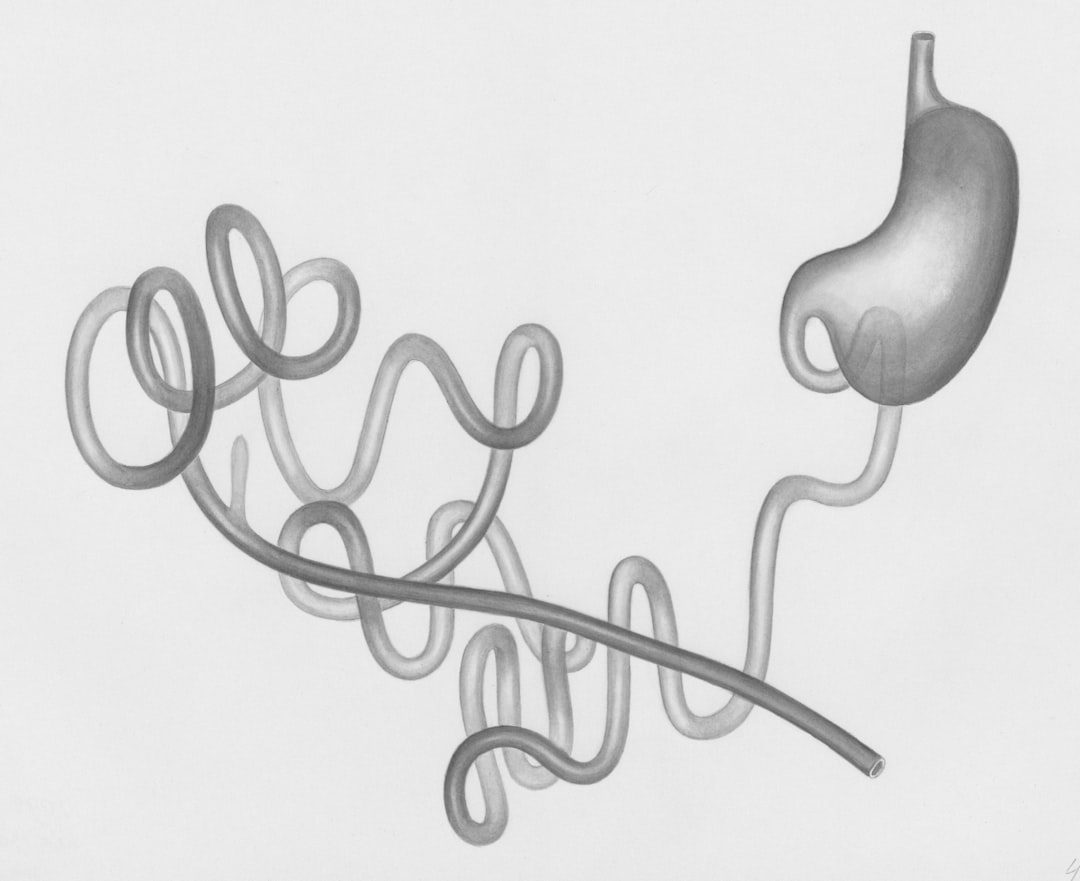
Photo by Europeana on Unsplash
Imagine consuming the same diet as your friend but finding yourself gaining weight while they remain slim. This puzzling situation may not just be a matter of calories or exercise but could be influenced by the invisible world of microbes residing in your gut. Recent research has uncovered that the gut microbiome plays a significant role in weight management, with certain bacterial compositions potentially predisposing individuals to weight gain or loss. This revelation challenges the traditional view that obesity is solely a result of lifestyle choices and genetic predisposition.
Most people, including many healthcare professionals, tend to view weight management through the lens of diet and exercise alone. The common advice to eat less and move more while undeniably helpful, may not address the full picture for everyone. Emerging evidence suggests that the gut microbiome’s composition can significantly affect how our bodies process food and store fat. This means that two people with identical diets and activity levels can experience vastly different outcomes in terms of weight gain, simply due to differences in their gut bacteria.
Understanding the microbiome-obesity connection carries profound implications for public health. Obesity is not just a cosmetic concern; it is a major risk factor for chronic diseases such as diabetes, heart disease, and certain cancers. If the gut microbiome indeed influences weight gain, then modifying it could become a powerful tool in combating obesity and its associated health risks. Recognizing this connection elevates the microbiome from a scientific curiosity to a potential game-changer in personalized medicine and nutrition.
By delving into this relationship between gut bacteria and body weight, readers can learn how to harness this knowledge for better health outcomes. After exploring this article, you’ll be equipped to consider not just what you eat but how your microbiome might be influencing your body’s response. You’ll be better prepared to engage with healthcare professionals about strategies that extend beyond traditional approaches to weight loss, potentially leading to more effective and personalized interventions.
The promise of this new understanding lies not only in potential treatments but also in prevention. By identifying those at risk of microbiome-related weight gain early, we can intervene before obesity becomes entrenched, offering a proactive approach to health and wellness. This shift from reactive to preventative care could transform how we address one of the most pressing health challenges of our time.
As we unravel the relationship between the gut microbiome and weight management, it becomes increasingly clear that our microbial companions play a more pivotal role than previously recognized. From influencing metabolism to interacting with the immune system, our gut bacteria are integral to health and disease. This realization opens the door to novel therapeutic approaches that could one day complement or even surpass current weight management strategies.
In the following sections, we will delve deeper into how exactly the gut microbiome influences weight, what the latest research reveals, and what this means for practical applications. Get ready to explore a world where your body’s weight is not solely dictated by what you eat, but also by the unseen microbial community that thrives within you.
The Basics of Gut Microbiota and Weight
Gut bacteria play a pivotal role in weight management through their profound influence on metabolism. These microorganisms can alter how nutrients and energy are processed in the body, often dictating whether calories are burned or stored. One key mechanism involves short-chain fatty acids (SCFAs), which are metabolic byproducts of bacterial fermentation of dietary fibers. SCFAs can stimulate the release of hormones that regulate appetite and energy balance, potentially aiding in weight control. For the reader, this means that the composition of your gut bacteria could directly impact how efficiently your body processes food and maintains weight. Another critical aspect is how gut bacteria affect fat storage. Certain bacterial species can influence the development and function of fat cells, leading to variations in fat accumulation. The presence of specific microbiota can signal the body to store more fat, which is often observed in individuals with obesity. This interaction between gut bacteria and fat storage is not merely a matter of passive influence; it’s an active process involving complex biochemical signaling pathways. For those struggling with weight management, understanding that their bacterial composition might predispose them to store more fat than others can be both enlightening and empowering. Inflammation is another pathway through which gut bacteria can impact weight. Chronic low-grade inflammation is often associated with obesity and can be exacerbated by an imbalance in the gut microbiota. Dysbiosis, a term for this imbalance, can lead to a compromised gut barrier, allowing bacterial components to enter the bloodstream and trigger systemic inflammation. This inflammatory state can alter insulin sensitivity and energy metabolism, further contributing to weight gain. By recognizing the role of inflammation in weight management, individuals may consider anti-inflammatory dietary choices as part of their weight management strategy. A 2024 study in Nature Metabolism found that gut bacteria composition varied significantly among people with different body weights. This research, encompassing thousands of participants across multiple countries, suggests that the microbiome’s impact on weight is both extensive and complex. Such findings challenge the simplistic notion that diet and exercise alone dictate weight, urging individuals to consider the unseen microbial players in their gut. It also underscores the potential for microbiome-focused therapies in weight management. Factors such as genetics, diet, and baseline microbiome composition can determine the effectiveness of potential microbiome interventions. Some people may possess a microbiome that naturally predisposes them to a leaner physique, while others might struggle with weight despite similar lifestyle habits. This variability highlights the importance of personalized approaches to diet and health interventions, as a one-size-fits-all strategy may not be effective for everyone. The surprising aspect of gut bacteria’s influence on weight is how counterintuitive it can be. For instance, increasing dietary fiber, which is generally recommended for weight loss, can have different effects depending on an individual’s microbiome composition. Some people might experience weight loss and improved metabolic health, while others could see little to no change. This paradox can be frustrating for those who diligently follow dietary guidelines yet fail to see expected results. It suggests that understanding one’s unique microbiome could be crucial in tailoring effective weight management strategies. Historically, the role of gut bacteria in weight management was largely overlooked. The early focus of obesity research centered on caloric intake and expenditure. However, as scientific tools advanced, researchers began to uncover the complex interactions between the microbiome and host metabolism. This shift in understanding has opened new avenues for exploring how gut bacteria might be harnessed to tackle obesity. The evolution of this field has moved from viewing bacteria as mere digestive aids to recognizing them as active participants in metabolic health. Practically speaking, this knowledge allows individuals to make more informed decisions about their health. By considering the potential impact of gut bacteria, people can explore dietary and lifestyle changes that may positively influence their microbiome. For example, incorporating fermented foods, probiotics, and prebiotics might help cultivate a more favorable gut environment conducive to maintaining a healthy weight. This approach empowers readers to take proactive steps in managing their weight with a more nuanced understanding of the underlying biological factors. The scientific community remains divided on certain aspects of the gut microbiome’s role in weight management. While some researchers advocate for microbiome-targeted therapies, others caution that the field is still in its infancy and that more robust data is needed before such interventions can become mainstream. This ongoing debate reflects the complexity of the microbiome and its interactions with human health. For readers, it underscores the importance of staying informed and critical of emerging weight management strategies that claim to leverage the microbiome. As we explore the relationship between the gut microbiome and weight, one question looms: Why do some people with similar diets experience vastly different weight outcomes? This enigma drives ongoing research and suggests that while we have uncovered much about the gut microbiota’s role in weight management, there is still more to learn. The next section will delve into the specific mechanisms by which gut microbes influence weight gain, shedding light on the intricate processes that may hold the keys to effective weight control.
Mechanisms: How Gut Microbes Affect Weight Gain
Gut microbes have a profound influence on human metabolism, particularly by affecting bile acid profiles and lipid absorption, mechanisms that can subsequently lead to weight gain. Bile acids, synthesized in the liver from cholesterol, play a crucial role in digesting fats. The composition of the gut microbiota can influence how these bile acids are modified, impacting their effectiveness in breaking down dietary fats for absorption. If the bile acid profile is altered towards a less efficient form, it can lead to increased fat accumulation and, consequently, weight gain.
One mechanism by which gut bacteria can alter bile acids involves their ability to deconjugate and dehydroxylate these compounds. This bacterial processing can change the solubility and reabsorption efficiency of bile acids in the small intestine. When microbes deconjugate bile acids, they become less effective at emulsifying fats. This inefficient breakdown can cause more fat to be stored rather than used for energy, contributing to weight gain. The specific types of bacteria present in the gut, such as those that produce the enzyme bile salt hydrolase, can therefore have a significant impact on this process.
Moreover, gut bacteria can influence lipid absorption directly by interacting with the intestinal lining. Certain microbial populations can affect the expression of proteins involved in lipid transport, such as the Niemann-Pick C1-like 1 protein, which plays a key role in cholesterol absorption. Alterations in the expression of these proteins can lead to increased uptake of dietary fats, further promoting weight gain. This interaction underscores the complex relationship between gut microbiota and host metabolism, where bacteria do not merely passively exist in the gut but actively participate in metabolic processes.
In clinical settings, such as gastrointestinal clinics, healthcare providers often observe that patients with obesity-related issues may have altered gut microbiota compositions that favor the aforementioned metabolic pathways. These patients frequently exhibit a higher relative abundance of Firmicutes compared to Bacteroidetes, a ratio associated with enhanced energy harvest from food. While this pattern is not universal, it provides a potential target for therapeutic interventions aimed at modifying the gut microbiota to alter these metabolic processes and aid in weight management.
The evidence supporting the role of gut bacteria in weight gain is compelling but not without its nuances. A study by PURPOSE et al. (2025) in Curr Obes Rep highlights how changes in gut microbiota composition can lead to altered bile acid profiles and lipid absorption, affirming the link between microbial populations and metabolic outcomes. These findings suggest that interventions targeting gut bacteria might be a viable strategy for controlling weight, especially in individuals who exhibit these microbial imbalances.
Individual variation in gut microbiota composition plays a significant role in how these mechanisms manifest across different people. Factors such as genetics, diet, and baseline microbiota composition can all influence how an individual’s gut bacteria interact with bile acids and lipids. For instance, a diet high in fiber can promote the growth of beneficial bacteria that enhance bile acid metabolism, potentially counteracting some of the weight gain effects seen in those with less favorable microbial profiles. This highlights the importance of personalized dietary interventions as part of weight management strategies.
Some aspects of the gut microbiome’s influence on weight gain are counterintuitive. For instance, while it might seem logical that increased energy harvest from food would always lead to weight gain, the reality is more complex. Certain gut bacteria can increase energy extraction but also promote the production of short-chain fatty acids (SCFAs) that regulate appetite and improve insulin sensitivity. This dual role indicates that the relationship between gut bacteria and weight is not solely about energy extraction but also involves broader metabolic modulation.
Practically, understanding these mechanisms can empower individuals to make informed decisions about their diet and lifestyle. For example, increasing the intake of prebiotic fibers can encourage the growth of beneficial bacteria that positively influence bile acid metabolism and lipid absorption. Such dietary changes may help mitigate some of the weight gain associated with less favorable gut microbiota compositions. This knowledge can be particularly useful for individuals struggling with weight management despite following conventional dietary guidelines.
The historical context of research into the gut microbiome and weight gain reveals a shift from viewing bacteria as mere pathogens to recognizing them as crucial players in metabolic health. Initially, gut bacteria were studied primarily for their role in disease, but recent decades have seen a burgeoning interest in their role in health and disease prevention. This evolution in understanding reflects broader trends in microbiome research, where the focus has expanded to include the holistic impact of microbial ecosystems on human health.
However, controversy still exists regarding the best methods to modulate the gut microbiome for weight management. While some experts advocate for probiotic or prebiotic supplements, others argue that the variability in individual microbiomes makes such interventions less universally effective. This debate underscores the need for personalized approaches to microbiome modulation, taking into account the unique microbial and metabolic profiles of individuals.
As research continues to unravel the complexities of the gut microbiome, one question remains: why do some people respond dramatically to microbiome-based interventions while others see little change? This ongoing inquiry may hold the key to developing more effective, personalized strategies for combating obesity through microbiome modulation. Understanding these mechanisms not only helps clarify the role of gut bacteria in weight gain but also sets the stage for future innovations in weight management.
The Evidence: Linking Microbiome Composition with Obesity
The connection between gut microbiome composition and obesity has increasingly captured scientific attention, revealing how these microorganisms might influence weight gain. One significant avenue of research involves the transplantation of gut microbiota from obese individuals into germ-free mice. These experiments have consistently demonstrated that the mice receiving microbiota from obese donors gain more weight than those receiving microbiota from lean donors, despite identical dietary conditions. This evidence suggests a tangible link between microbiome composition and body weight regulation, indicating that certain bacterial profiles may be more conducive to fat accumulation.
Clinical trials in humans further bolster the case for a microbiome-obesity connection. For instance, studies involving the administration of probiotics and prebiotics have shown varied success in modulating weight. While results can differ based on the specific strains used and individual differences among participants, some trials have reported modest weight loss in those receiving these supplements. This suggests that altering the gut microbiome can indeed influence body weight, although the outcomes are not uniformly predictable across all populations. The variability in response underscores the complexity of the gut ecosystem and its role in energy metabolism.
A 2021 study by Grech et al. in *Gut Microbes* highlighted the potential of specific bacterial strains in influencing weight. The authors observed that participants with a higher abundance of certain beneficial microbes experienced less weight gain over a controlled dietary intervention. While these findings are promising, they also reflect the nuanced interplay between diet, microbiome, and weight. The study illustrates how microbiome composition might modulate the body’s energy balance and storage, offering a glimpse into potential therapeutic avenues for obesity management. However, the authors caution that such interventions might need to be tailored to individual microbiome profiles for maximum efficacy.
In exploring why gut microbiota impact weight differently among individuals, genetics and baseline microbial composition emerge as crucial factors. Genetic predispositions can influence which microbial species thrive in the gut, potentially affecting how nutrients are metabolized. For instance, people with a genetic tendency toward obesity might harbor microbial communities that favor the extraction of more calories from the same food intake compared to those without such predispositions. This suggests that understanding a person’s genetic makeup could be key to predicting their response to microbiome-targeted interventions.
The variability in baseline microbiome composition also plays a significant role in individual responses to dietary changes or probiotic supplementation. People with a more diverse microbiome might experience more pronounced shifts in weight when their microbial landscape is altered, compared to those with less diversity. This diversity can affect how well the gut processes dietary fibers and synthesizes short-chain fatty acids, which are crucial for energy regulation and fat storage. These insights highlight the importance of considering a person’s existing microbiome profile when designing weight management strategies.
One counterintuitive aspect of the microbiome-obesity link lies in the role of inflammation. While inflammation is typically associated with negative health outcomes, certain levels of systemic immune response triggered by gut bacteria can paradoxically aid in weight regulation. Some microbes can stimulate low-grade inflammation that enhances metabolic efficiency and energy expenditure, potentially preventing weight gain. This finding challenges the conventional notion that inflammation is solely detrimental, suggesting instead that a balanced immune response may contribute to maintaining a healthy weight.
The surprising influence of gut bacteria on appetite regulation further complicates the picture. Certain bacterial strains can produce metabolites that affect satiety hormones, influencing hunger signals. For example, the production of short-chain fatty acids by gut bacteria can lead to the release of hormones like GLP-1 and PYY, which promote feelings of fullness. This mechanism implies that the gut microbiome not only impacts how calories are utilized but also how much we consume, making it a pivotal factor in weight management.
Understanding these complex relationships between gut microbiota and weight can lead to practical implications for individuals seeking to manage their weight. Recognizing the potential influence of gut health on body weight offers a new lens through which to view dieting and exercise. For those struggling with weight management, considering the state of their gut microbiota might provide an additional avenue to explore, potentially guiding dietary choices and supplement use. However, the field is still evolving, and what works for one person might not be effective for another, emphasizing the need for personalized strategies.
The historical context of microbiome research adds another layer of understanding to this evolving field. Initially, the gut microbiome was primarily studied for its role in digestive health. However, as molecular techniques advanced, researchers began to uncover its far-reaching effects on systemic health, including metabolic and immune functions. This shift in understanding has opened new research paths, highlighting the microbiome’s potential role in complex conditions like obesity. The progression of this field underscores how scientific paradigms can evolve, leading to novel insights and therapeutic possibilities.
A practical implication for readers is the potential to influence their gut microbiota through lifestyle choices. Diet, exercise, and stress management can all impact gut microbial composition, offering tools for individuals to potentially modulate their weight. While the exact recipes for success remain individualized, the principle that lifestyle changes can affect gut health provides a proactive approach to weight management. Engaging with these factors may empower individuals to take control of their gut health, potentially leading to more effective weight management strategies.
Despite the growing understanding of the microbiome’s role in obesity, several controversies persist. Experts continue to debate the best methods for altering gut bacteria to achieve weight loss, and whether such interventions should be considered first-line strategies. The efficacy of probiotics and prebiotics, the role of fecal microbiota transplantation, and the influence of antibiotic use all remain areas of active inquiry. These debates reflect the complexity of the gut ecosystem and the ongoing challenge of translating scientific findings into practical applications for obesity treatment.
As we delve deeper into the nuances of the gut microbiome and its impact on weight, the potential for personalized interventions becomes apparent. While the evidence supporting the microbiome-obesity link is compelling, the path forward involves unraveling the intricate relationships between diet, genetics, and microbial composition. This understanding may pave the way for more tailored approaches to weight management, offering hope for individuals struggling with obesity. But the question remains: how can we harness this knowledge to create effective, individualized solutions?
Complications: Why Microbiome-based Weight Gain is Complex
Understanding the gut microbiome’s role in weight gain is fraught with complexity, largely due to individual differences in microbiome composition. Each person’s intestinal ecosystem is unique, shaped by a multitude of factors including genetics, diet, and environment. These variations mean that while certain microbial patterns may be associated with obesity in one individual, they might not hold the same significance for another. For instance, the presence of Firmicutes and Bacteroidetes bacteria has been linked to obesity in some studies, yet this relationship is not consistent across all populations and age groups. Such discrepancies make it challenging to draw definitive conclusions about the gut microbiome’s role in weight gain on a broad scale.
The influence of lifestyle factors further complicates the gut-weight relationship. Diet, in particular, plays a significant role in shaping the gut microbiome. Diets rich in fiber, for instance, tend to promote a more diverse intestinal ecosystem, which is often associated with better metabolic health. However, the same dietary change may not yield identical results in different individuals due to their unique baseline microbiota compositions. Exercise, too, can alter the composition of gut bacteria, potentially affecting weight. But the degree to which exercise influences microbiome composition can vary significantly from person to person, adding another layer of complexity to understanding how these factors interact with weight gain.
Moreover, the microbiome’s interaction with the immune system can influence weight gain, presenting another intricate layer of complexity. Some gut bacteria can trigger systemic immune responses that promote inflammation, which has been associated with obesity. However, the extent of this effect can vary depending on individual genetic predispositions and pre-existing health conditions. For example, someone with a genetic predisposition to inflammatory diseases might experience more pronounced effects from microbiome-induced inflammation, impacting their weight differently than someone without such predispositions. This variability underscores the complexity of linking gut bacteria to weight gain in a uniform manner.
Cross-population studies add another dimension to this complexity, as they often reveal differing microbiome compositions and their effects on weight across ethnic and cultural groups. A study by Li et al. (2024) in *Nature Metabolism* suggests that the microbiome’s impact on weight can differ significantly across various ethnic groups, highlighting the importance of considering cultural dietary habits and genetic backgrounds when studying this connection. Such findings suggest that what holds true for one population may not be applicable to another, complicating efforts to identify universal microbiome patterns associated with obesity.
The gut microbiome and weight gain relationship is further muddled by counterintuitive findings that challenge common assumptions. For example, some individuals with a high diversity of gut bacteria, usually a sign of good health, might still struggle with obesity. This paradox suggests that not all beneficial bacteria contribute to weight loss and that some might even promote weight gain under specific conditions. Additionally, the idea that increasing fiber intake will always lead to weight loss is contradicted by cases where individuals on high-fiber diets still gain weight. These surprising outcomes highlight the need for a deeper understanding of how specific bacterial strains and their interactions with dietary components influence weight.
Practical implications of these complexities are profound. For individuals seeking to manage their weight, understanding that the gut microbiome is a dynamic and individualized entity can influence dietary and lifestyle choices. Rather than adopting a one-size-fits-all approach, individuals might benefit from personalized strategies that consider their unique microbiome composition and lifestyle factors. This could involve tailored dietary plans that specifically enhance beneficial microbial populations or targeted interventions that address specific dysbiotic conditions. Recognizing the personalized nature of the gut-weight connection can empower individuals to make informed decisions about their health.
Historically, the scientific understanding of the microbiome’s role in weight gain has evolved significantly. Early research primarily focused on identifying specific bacterial species associated with obesity. However, as the field has advanced, it has become apparent that the relationships are far more intricate than initially believed. The shift towards understanding the functional roles of microbial communities rather than merely their presence marks a crucial turning point in microbiome research. This evolution reflects a growing recognition of the microbiome’s complexity and the need for more nuanced approaches in studying its impact on weight.
Case vignettes provide valuable insights into the real-world implications of microbiome-based weight gain. Consider the example of two individuals with similar dietary habits and lifestyles but vastly different weight outcomes. One might have a microbiome composition that efficiently extracts energy from food, leading to weight gain, while the other has a composition that promotes a leaner physique. Such cases illustrate the profound impact that subtle differences in gut bacteria can have on weight, emphasizing the need for personalized approaches in addressing obesity.
Controversies among experts further complicate the understanding of microbiome-related weight gain. Disagreements persist over the extent to which the microbiome can be manipulated to achieve sustainable weight loss. Some researchers advocate for the potential of microbiome-targeted therapies, while others caution against oversimplifying the complex interactions between gut bacteria and host metabolism. These debates highlight the ongoing challenge of translating scientific findings into practical applications that can effectively address obesity.
In sum, the gut microbiome’s role in weight gain is a complex interplay of individual differences, lifestyle factors, and microbiome-host interactions. While research continues to uncover new insights, the path forward involves navigating these complexities to develop personalized strategies for weight management. As we explore the potential interventions in the next section, the question remains: how can these insights be harnessed to create effective solutions for individuals grappling with obesity?
Interventions: Can We Change Our Gut Microbiota to Lose Weight?
The idea of reshaping our gut microbiota to aid weight loss is both appealing and complex. The intestinal ecosystem, with its myriad of microorganisms, plays a critical role in how our bodies process food and manage weight. But can we manipulate this ecosystem in a way that promotes weight loss? One promising avenue is through dietary changes, particularly by increasing the intake of resistant starch. This type of starch escapes digestion in the small intestine and reaches the colon intact, where it serves as a food source for beneficial gut bacteria. Resistant starch consumption leads to the production of short-chain fatty acids (SCFAs) like butyrate, which not only nourish colon cells but also have systemic effects on metabolism and hunger regulation—offering a potential mechanism for weight management.
The evidence supporting dietary interventions to modify gut microbiota is compelling, though not without its nuances. Studies have shown that diets rich in fiber, including resistant starch, can lead to an increase in beneficial bacteria such as Bifidobacteria and a decrease in potentially harmful bacteria. A PURPOSE et al. (2025), Curr Obes Rep study found that participants who increased their resistant starch intake experienced shifts in their gut microbiota composition, which were associated with modest weight loss over time. While these findings are promising, they also underscore the need for individualized approaches, as not everyone responds to dietary changes in the same way.
Individual variation in response to dietary interventions is influenced by several factors, including genetics, baseline microbiome composition, and lifestyle. For instance, some individuals harbor gut bacteria that are particularly adept at extracting energy from food, potentially predisposing them to weight gain despite consuming similar diets as others. This variation can explain why one person may lose weight by increasing fiber intake while another sees little effect. Personalized nutrition, which considers these differences, is emerging as a key strategy for effectively altering the gut microbiome to support weight loss.
The counterintuitive nature of the microbiome-weight relationship can be perplexing. While one might assume that simply increasing the abundance of “good” bacteria would lead to weight loss, the reality is more intricate. Some beneficial bacteria may promote weight gain by enhancing energy harvest from food, while others might aid weight loss by improving metabolic health. This dual role reflects the complexity of our intestinal ecosystem and highlights why a one-size-fits-all approach is unlikely to succeed. Understanding these nuances can empower individuals to make informed dietary choices that align with their unique microbiome profiles.
Practical implications for altering the gut microbiota through diet extend beyond weight management. By fostering a diverse and balanced microbial community, individuals may also experience improvements in digestive health, immune function, and even mood. These benefits, while secondary to the primary goal of weight loss, reinforce the value of dietary interventions in promoting holistic health. For readers seeking to leverage these insights, incorporating foods high in resistant starch—such as bananas, oats, and legumes—into their diets might be a practical step towards reshaping their gut microbiota.
Historically, the understanding of the gut microbiome’s role in weight management has evolved significantly. Initially, the focus was on calorie intake and expenditure, with little regard for the microbial processes influencing these factors. However, as research advanced, the intricate dynamics between diet, microbiota, and metabolism became evident, shifting the paradigm towards a more comprehensive view of nutrition and health. This historical context is essential for appreciating the current scientific discourse and the potential of microbiome-targeted interventions.
Case vignettes from clinical practice illustrate how dietary interventions can yield tangible results. Consider a patient with obesity who, despite adhering to conventional weight loss strategies, struggles to lose weight. By tailoring their diet to support beneficial gut bacteria, they might experience a breakthrough in their weight management journey. These real-world examples serve to inspire and validate the scientific findings, offering hope to those seeking alternative solutions to stubborn weight issues.
The controversy surrounding microbiome-based interventions cannot be ignored. While some experts advocate for the transformative potential of these strategies, others caution against oversimplifying the complex interactions at play. The debate centers around the extent to which microbiota can be manipulated to achieve sustainable weight loss and whether these changes have long-lasting effects. This ongoing discourse reflects the broader challenges of translating scientific insights into practical, effective solutions.
Counterarguments often highlight the potential for unintended consequences. Modifying the gut microbiome might inadvertently disrupt other physiological processes, leading to unforeseen health issues. This cautionary perspective is crucial for ensuring that interventions are both safe and effective. As the field progresses, rigorous testing and validation of microbiome-targeted therapies will be essential to mitigate these risks.
As we navigate the potential of microbiome-targeted interventions, the question remains: how can these insights be harnessed to create effective, personalized strategies for weight management? The path forward involves integrating scientific knowledge with individual needs, balancing innovation with caution. By embracing this nuanced approach, we can unlock the full potential of our gut microbiota in the pursuit of better health and well-being.
Personalization: Tailoring Gut Health Strategies to Individuals
Understanding how to personalize nutrition plans based on microbiome analysis could revolutionize weight management strategies. The gut microbiome, a complex ecosystem within our digestive system, plays a significant role in how our bodies process and store energy. This ecosystem’s impact on weight gain lies in its ability to influence metabolic processes, including the regulation of fat storage and the modulation of systemic immune responses. By tailoring interventions to the unique microbial composition of an individual’s gut, we may optimize these processes, offering more effective weight management solutions.
The biological mechanism by which the gut microbiome influences weight gain involves several pathways. One critical mechanism is the production of short-chain fatty acids (SCFAs) through the fermentation of dietary fibers by gut bacteria. SCFAs can affect host energy metabolism by serving as an energy source and influencing the secretion of hormones involved in appetite regulation. However, the composition of one’s microbiome dictates the type and amount of SCFAs produced. A person with a microbiome favoring the production of butyrate may experience different metabolic outcomes compared to someone whose microbiota primarily produces acetate.
Recent research has begun to elucidate the potential for personalized health strategies based on microbiome data. A study by Grech et al. (2021) in “Gut Microbes” suggests that specific bacterial profiles are associated with varying responses to dietary interventions aimed at weight loss. This finding implies that interventions could be tailored to enhance or suppress the growth of particular microbial populations, potentially leading to more successful weight management outcomes. By identifying individual microbiome characteristics, we can design diets that align with one’s unique microbial needs, potentially optimizing weight loss efforts.
Individual variation in the gut microbiome significantly influences how different people respond to dietary changes and weight management strategies. Factors such as genetics, age, diet, and baseline microbiome composition play a crucial role in determining these responses. For instance, two individuals consuming the same high-fiber diet might experience vastly different metabolic effects depending on the specific strains of bacteria in their guts. This variation underscores the necessity of personalized approaches that consider these individual differences rather than relying on one-size-fits-all dietary guidelines.
One counterintuitive aspect of microbiome-based interventions is that not all beneficial bacteria aid in weight loss. Some strains that are generally considered beneficial for gut health might promote weight gain in certain individuals by enhancing nutrient absorption or altering energy metabolism. This paradox highlights the complexity of gut microbiota interactions and the need for nuanced understanding when developing personalized interventions. An intervention that works for one person might be counterproductive for another, emphasizing the critical role of personalized analyses in guiding effective strategies.
Practical implications for readers considering microbiome-based interventions are profound. Understanding that their gut bacteria composition might be influencing their weight can empower individuals to seek personalized assessments. By engaging with healthcare professionals who specialize in microbiome analysis, individuals can gain insights into their microbial profiles and receive targeted dietary recommendations. This approach not only enhances the efficacy of weight management strategies but also fosters a proactive attitude towards health, encouraging individuals to take control of their wellness journeys.
The historical context of microbiome research reveals a rapidly evolving field. Initially, the gut microbiome was primarily associated with digestive health. However, as research has progressed, its role in other physiological processes, including weight management, has become increasingly clear. Early studies focused on identifying bacterial strains linked with obesity, setting the stage for current personalized approaches. This evolution underscores the dynamic nature of scientific understanding and the potential for future discoveries to further refine personalized interventions.
An illustrative case vignette can highlight the potential benefits of personalized microbiome strategies. Consider an individual struggling with weight loss despite following conventional dietary advice. Upon undergoing microbiome analysis, it is discovered that their gut harbors an elevated abundance of Firmicutes, a bacterial phylum associated with enhanced energy harvest from food. By adjusting their diet to promote the growth of Bacteroidetes, another phylum associated with leanness, the individual experiences more effective weight loss. This case underscores the transformative impact of personalized microbiome interventions.
Despite the promise of personalized microbiome strategies, controversies remain. Some experts question the feasibility and cost-effectiveness of widespread microbiome profiling, arguing that current methodologies need refinement before being applied broadly. Additionally, there is ongoing debate regarding which microbial traits are most predictive of weight outcomes. These disagreements highlight the nascent stage of this research area and the need for continued investigation to establish robust, evidence-based guidelines.
The potential for personalized microbiome-based interventions to revolutionize weight management is significant. By leveraging individual microbial profiles, these strategies offer a tailored approach that considers the unique biological mechanisms at play within each person’s gut ecosystem. This personalization maximizes the efficacy of dietary interventions, potentially leading to more successful and sustainable weight management outcomes. As research continues to explore the connections between gut health and weight, the promise of these personalized strategies becomes increasingly tangible.
The mechanism explains the potential for microbiome-based weight management, but it does not address the challenge of implementing these interventions on a broad scale. The complexity of individual microbiomes and the variability in responses to dietary interventions pose ongoing questions about how best to apply these insights in practical, accessible ways. The next steps in this journey will involve bridging the gap between scientific understanding and real-world application, ensuring that the benefits of personalized microbiome strategies reach those who need them most.
Your Action Plan: Enhancing Gut Health for Weight Control
Understanding the potential role of prebiotics and probiotics in weight management offers a practical pathway to enhancing gut health. A pivotal study in the 2010s began to highlight that specific strains of probiotics can modulate the intestinal ecosystem in ways that may positively influence weight control. While these findings are promising, they imply a need for strategic dietary adjustments that emphasize incorporating beneficial microbes into your daily routine. Probiotics, found in foods like yogurt and fermented products, can help balance the diverse microbial communities in your gut, potentially aiding in weight management.
To kickstart your journey towards improved gut health, begin by integrating prebiotic fibers into your diet. Prebiotics are non-digestible fibers that feed the beneficial bacteria already residing in your gut, promoting their growth and activity. Foods rich in prebiotics include garlic, onions, bananas, and whole grains. Aim for a daily intake of 25-30 grams of fiber, gradually increasing by 5 grams per week to minimize gastrointestinal discomfort. This incremental approach allows your gut microbiota to adapt, reducing the risk of bloating or other side effects.
Probiotics are another critical component of this action plan. These live microorganisms, when consumed in adequate amounts, confer health benefits by enhancing the composition of gut bacteria. Incorporating probiotic-rich foods such as kefir, sauerkraut, and miso can be an effective way to introduce these beneficial microbes. Begin by consuming one serving of a probiotic food daily, observing changes in digestion and overall gut health. Over the next few weeks, you can increase the variety and frequency of probiotic intake to enhance microbial diversity.
The effectiveness of prebiotics and probiotics can vary significantly between individuals. Factors such as genetics, diet, and existing microbiome composition play a crucial role in determining how one’s body will respond to these interventions. For some, the introduction of these compounds may lead to noticeable changes in weight and digestion, while others may experience more subtle effects. Understanding your unique biological makeup can help tailor these dietary strategies to suit your specific needs, potentially optimizing their impact on weight management.
While the benefits of enhancing your intestinal ecosystem are increasingly recognized, it’s important to acknowledge the complexity of these interactions. For instance, Li et al. (2024), in a study published in Nature Metabolism, found that certain prebiotics and probiotics could significantly influence metabolic markers related to weight gain. However, the degree of response was linked to individual differences, such as baseline microbiome composition. This suggests that while the potential is there, the outcomes are not universally guaranteed. Therefore, monitoring your progress and adjusting your approach as needed becomes essential.
In the first week, focus on establishing a baseline assessment of your current diet and gut health symptoms. Keep a food diary to track the types and amounts of prebiotics and probiotics consumed, as well as any changes in digestion, energy levels, and weight. This information will serve as a reference point for gauging the effectiveness of your interventions over time. Noticeable improvements in digestion or energy levels can indicate that your gut microbiome is responding positively to these changes.
As you progress into weeks two to four, diversify your intake of prebiotic and probiotic foods. Experiment with different types of fermented products and fiber-rich foods to see how they affect your gut health and weight. Pay attention to specific indicators of improvement, such as regular bowel movements, reduced bloating, and stable energy levels throughout the day. These signs suggest that your gut microbiota is adapting well and that you are on the right track toward supporting weight management through enhanced gut health.
Should you find that after four weeks there is no significant change in symptoms or weight, it might be time to consider consulting with a healthcare professional or a registered dietitian. They can provide insights based on a more detailed analysis of your gut microbiome and suggest tailored interventions that may be more effective. Persistent gastrointestinal symptoms such as severe bloating, discomfort, or irregular bowel movements warrant medical attention to rule out underlying conditions.
Timing and dosage are also crucial when incorporating these compounds into your diet. For prebiotics, consistency is key; aim to consume them throughout the day with meals to ensure a steady supply of fuel for your gut bacteria. Probiotics, on the other hand, are best consumed on an empty stomach or at least 30 minutes before meals to enhance their survival through the acidic environment of the stomach. This strategic timing can maximize their potential to colonize the gut and exert their beneficial effects.
Ultimately, enhancing gut health for weight control is not a one-size-fits-all approach. By understanding your unique biological responses and making informed dietary choices, you can harness the power of your gut microbiota. Remember, the journey to improved gut health and weight management is gradual and requires patience and persistence. As you navigate this path, the mantra to keep in mind is: “Feed your gut, fuel your life.”