Somewhere in the last century, fiber quietly became the most important nutrient almost nobody talks about. It has no recommended daily allowance on a cereal box that makes anyone excited. It does not build muscle, it does not give you energy, and for most of the twentieth century nutrition science treated it as roughly inert — the part of the plant that goes in one end and out the other, having accomplished nothing in between. That view was spectacularly wrong. Fiber is not passing through doing nothing. It is the single most important meal you serve the trillions of bacteria living in your colon, and what those bacteria do with it shapes everything from your risk of colon cancer to how hungry you feel at 4 p.m.
Here is the uncomfortable number: the vast majority of adults in wealthy countries eat roughly half the fiber they should. The target is around 25 to 38 grams a day depending on your body size and sex. Most people manage 15, and a large share don’t crack 12. This is not a small shortfall around the edges of an otherwise fine diet. It is a structural feature of how modern food is built — stripped, refined, and engineered for shelf life and convenience, with the fiber processed out at nearly every step.
This article is about closing that gap. Not with a supplement tub of psyllium, though that has its place, but with a practical understanding of why the number matters, what happens inside you when you hit it, and how to get from 12 grams to 25-plus without spending your week bloated and miserable.
Why Your Bacteria Care More About Fiber Than You Do
Your small intestine cannot break down most dietary fiber. The enzymes simply do not exist in the human body to cut those particular bonds. So fiber travels, largely intact, into your large intestine — and there it meets an audience that has been waiting for it. The bacteria of your colon possess thousands of enzymes your own cells lack, and they ferment fiber into compounds that turn out to be central to your health.
The most important of these are short-chain fatty acids, chiefly butyrate. Butyrate is the primary fuel for the cells lining your colon; without a steady supply, those cells essentially starve. It strengthens the gut barrier that separates your bloodstream from the bacterial mass in your gut, it dials down inflammation, and its effects ripple outward into metabolism and appetite regulation. When people talk about feeding your microbiome, this is the concrete thing they mean: fiber goes in, butyrate comes out, and butyrate is doing quiet, essential maintenance on the wall that keeps your gut intact. If you want the deeper version of how that barrier works and what happens when it fails, the story of how the gut lining breaks down and repairs runs directly through fiber.
There is also a numbers game at play. A varied fiber intake feeds a varied set of bacteria, and microbial variety is one of the strongest signals of a healthy gut we have. Different bacteria specialize in different fibers — the inulin in onions feeds one set, the beta-glucan in oats another, the resistant starch in cooled potatoes yet another. Eat the same three foods forever and you cultivate a narrow microbiome. Eat thirty different plants across a week and you build a diverse one. This is why microbiome diversity tracks so closely with the range of plants on your plate rather than the sheer quantity of any single one.
What Fiber Actually Does for the Rest of You
The gut benefits are the headline, but fiber’s reach is longer than that. Soluble fiber — the kind that dissolves into a gel, found in oats, beans, apples, and psyllium — slows the rate at which sugar enters your bloodstream, blunting the glucose spikes that drive energy crashes and, over years, metabolic trouble. It binds cholesterol and ushers it out of the body, which is a meaningful part of why high-fiber diets track with lower heart disease risk. And because that gel slows stomach emptying, it keeps you full longer, which is the least glamorous and most useful weight-management tool most people are ignoring.
Insoluble fiber — the structural, gritty kind in whole grains, vegetable skins, and nuts — does a more mechanical job. It adds bulk and water to stool and keeps things moving at a healthy pace. This is the difference between a colon that empties comfortably and one that does not, and it matters more than people admit until the day it stops working. Most whole plant foods contain both types in some ratio, which is the strongest argument for getting fiber from food rather than a single isolated supplement: you get the full toolkit at once, plus the prebiotic fuel that distinguishes prebiotics from probiotics in the first place.
The Practical Problem: Getting From 12 Grams to 25
Knowing the target is easy. Hitting it without wrecking your week is where people fail, and they fail in a predictable way: they read an article like this one, dump a mountain of beans and bran onto an unprepared gut overnight, spend two days painfully bloated, and conclude that fiber “doesn’t agree with them.” It agrees with them fine. Their bacteria were simply not staffed to handle the sudden surge, and the gas is the byproduct of a microbial population scrambling to catch up.
The fix is pace. Add roughly five grams of fiber per week, not per meal. Give your microbiome two or three weeks to expand the populations that handle the new load, and the bloating that would have been miserable at full speed barely registers when you ramp gradually. Drink more water as you go — fiber needs water to do its job, and increasing one without the other is a recipe for the exact constipation you were trying to prevent.
The arithmetic is friendlier than it looks once you know where the grams hide. A cup of cooked lentils carries around 15 grams — more than half your daily target in one ingredient. A pear with the skin on is about 5 or 6. A half-cup of raspberries is 4. Rolled oats, a cup cooked, is 4. An avocado is around 10. Black beans, half a cup, is 7 or 8. You do not need to eat exotically or count obsessively; you need two or three deliberate fiber anchors per day, and the rest takes care of itself.
Where the Grams Actually Are
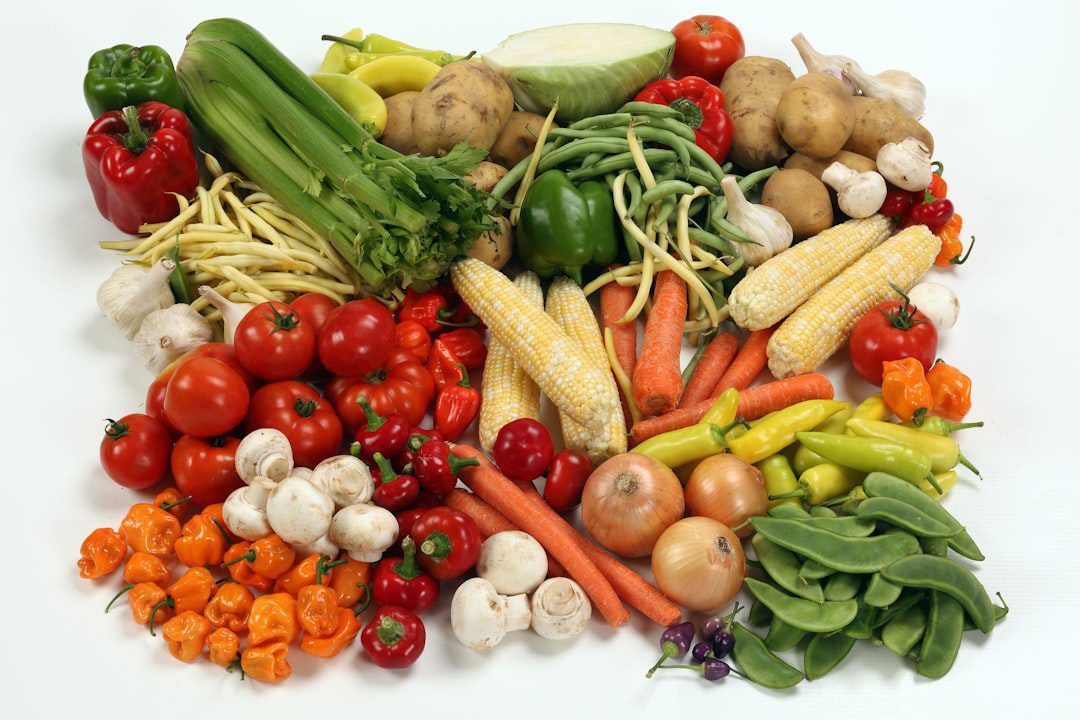
Legumes are the heavyweight champions and the most under-eaten category in the Western diet — beans, lentils, chickpeas, and split peas deliver more fiber per serving than almost anything else, alongside protein. If you change one thing, make it a daily serving of legumes. Whole grains come next: oats, barley, quinoa, and genuinely whole-grain bread, as distinct from the brown-colored refined bread that markets itself as wholesome. Then fruits and vegetables eaten with their skins, where much of the fiber concentrates, and finally nuts and seeds, with chia and flax standing out for their soluble-fiber density.
A useful mental model is to stop thinking in terms of a few super-foods and start thinking in terms of plant variety across the week. The bacteria that ferment your fiber are specialists, and the broadest possible roster of plants cultivates the broadest possible microbiome. Many of the best fiber sources are also the best prebiotics, which is no coincidence — they are the same foods viewed through two lenses. A working list of prebiotic foods doubles neatly as a fiber-loading plan.
Your Action Plan: A Four-Week Fiber Ramp
In week one, change only breakfast. Swap a refined-carb morning — pastry, sugary cereal, white toast — for a bowl of oats or a high-fiber alternative, and add a piece of fruit with the skin on. That single shift can move you several grams closer to target before you have touched the rest of your day. Note how your digestion responds and drink an extra glass or two of water.
In week two, add a daily serving of legumes somewhere — lentils stirred into a soup, chickpeas on a salad, black beans alongside dinner. This is the single highest-yield habit in the entire plan; nothing else moves the number as far per serving. Keep the breakfast change going so the gains stack rather than replace each other.
In weeks three and four, fill in the edges: skins left on your vegetables, a handful of nuts or a spoonful of chia in place of a processed snack, whole grains standing in for refined ones at lunch and dinner. By the end of the month a typical eater lands in the mid-to-high twenties of grams without ever having endured a miserable bloated week, because the ramp gave the microbiome time to grow into the job. If you hit a plateau or develop persistent bloating that does not settle after a few weeks of careful pacing, that can occasionally signal something beyond a simple fiber adjustment — worth reading up on the broader signs of an unhealthy gut before assuming fiber is the culprit.
The whole project comes down to a single reframing. You are not eating fiber for yourself. You are eating it for the thirty-eight trillion bacteria that turn it into the compounds keeping your gut wall intact and your metabolism steady — and they, in turn, are working for you. Feed them well and the arrangement pays for itself many times over.