Photo by Eir Health on Unsplash
Imagine this: the probiotics you’ve been taking for gut health might not be the real heroes of your digestive system. Instead, it’s the non-living byproducts they produce, known as postbiotics, that hold the key to greater health benefits. This might sound surprising, especially when the wellness world has been buzzing about probiotics and prebiotics for years. But postbiotics are emerging as the new frontier in gut health, challenging what many of us — even seasoned health enthusiasts — thought we knew.
The common misconception about postbiotics is that they are simply another form of probiotics. However, they are fundamentally different. While probiotics are live bacteria that confer health benefits, postbiotics are the metabolites and compounds produced by these bacteria during fermentation. These include short-chain fatty acids, enzymes, peptides, and even cell wall components. The idea that the byproducts, rather than the bacteria themselves, might be more beneficial is a twist that many in the field are only beginning to appreciate.
Why does this matter? The implications of postbiotics extend far beyond just gut health. They are showing promise in modulating the immune system, reducing inflammation, and even impacting mental health through the gut-brain axis. The stakes are high because these byproducts could potentially offer more stable, reliable, and effective health interventions compared to their probiotic counterparts, which often face challenges like survival during storage and transit through the harsh environment of the stomach.
Moreover, postbiotics offer a safer alternative for individuals who might be immune-compromised or unable to tolerate live bacteria, which can pose risks. Unlike probiotics, postbiotics do not require refrigeration and are not sensitive to temperature changes, making them more practical and easier to incorporate into daily life. This stability translates into potentially broader applications in both food and medicine, where consistent efficacy is paramount.
After reading this article, you will understand the unique role postbiotics play in health, beyond what probiotics and prebiotics offer. You’ll gain insights into their mechanisms, the strength of evidence supporting their benefits, and how they could be integrated into your personal health regimen. Whether you’re looking to enhance your gut health, boost your immune system, or even improve your mental wellness, postbiotics might just be the game-changer you’ve been waiting for.
So, buckle up as we delve into the world of postbiotics, uncovering truths that could redefine how you approach health and wellness. From their intriguing mechanisms to the promising research findings that support their use, you’ll soon see why postbiotics are being hailed as the next big thing in the science of nutrition and beyond.
Understanding Postbiotics: What Are They?
Postbiotics are emerging as a significant area of interest in gut health, distinct from the more familiar probiotics and prebiotics. At their core, postbiotics are the bioactive compounds that probiotics produce during the fermentation process. These byproducts include peptides, short-chain fatty acids, and other metabolites that can exert beneficial effects on the host. Unlike probiotics, which are live microorganisms that must survive the journey through the digestive tract, postbiotics are non-living entities that are not subject to the same survival challenges. This distinction is crucial, as it allows postbiotics to be utilized in a broader range of applications and settings. The idea that non-living compounds could offer substantial health benefits might initially seem counterintuitive. After all, much of the recent focus has been on the live beneficial bacteria that populate our gut. However, the efficacy of probiotics depends significantly on their ability to survive and thrive in the gastrointestinal environment, a condition not always guaranteed. Postbiotics circumvent this issue entirely by providing the health-promoting effects directly, without the need for viability. This aspect of postbiotics opens up exciting possibilities for their use in situations where live probiotics might falter, such as in processed foods or in environments with fluctuating temperatures. One of the most compelling aspects of postbiotics is their potential to offer similar, if not greater, health benefits compared to probiotics. Studies have suggested that these compounds can play a role in enhancing the host’s immune response, reducing inflammation, and even improving metabolic health. For instance, Liu et al. (2023) in EBioMedicine highlight how certain postbiotic compounds can modulate immune function and gut barrier integrity. The evidence, drawn from a wide range of clinical trials across multiple countries, indicates that postbiotics could be a valuable tool in managing conditions like irritable bowel syndrome and inflammatory bowel disease. The biological mechanism by which postbiotics exert their benefits is an area of active research. One key mechanism involves the interaction of postbiotics with the gut lining, where they can influence the gut’s immune responses and maintain the integrity of the intestinal barrier. This interaction is vital, as a compromised gut barrier is often associated with various health issues, including chronic inflammation and metabolic disorders. By enhancing the gut barrier and modulating immune responses, postbiotics can contribute to a healthier intestinal ecosystem, which in turn supports overall wellbeing. However, not everyone experiences the same benefits from postbiotics, and Factors such as genetics, diet, the existing composition of the gut microbiome, and even age can all influence how one responds to these compounds. This variability is a reminder that while postbiotics hold great promise, their effects are not uniform across all individuals. Tailoring postbiotic interventions to fit personal health profiles could potentially enhance their effectiveness, providing more personalized health solutions. From a historical perspective, the concept of using microbial byproducts for health is not entirely new. Early research into probiotics laid the groundwork for understanding how the gut microbiome impacts health, but it is only in recent years that the specific role of postbiotics has gained attention. This shift in focus reflects a broader understanding of the intestinal ecosystem, where the byproducts of microbial activity are recognized for their direct health benefits. This evolution in understanding has led to the development of new dietary supplements and functional foods designed to deliver postbiotics directly to consumers. Despite their potential, there is still some debate among experts about the best ways to harness the benefits of postbiotics. While the evidence supporting their health benefits is growing, there are questions about the optimal types and dosages of postbiotics for different health outcomes. Additionally, the regulatory landscape for these compounds is still evolving, with standards for their use in food and supplements not yet fully established. These uncertainties highlight the need for continued research to refine our understanding of postbiotics and their place in health and nutrition. For the reader, understanding postbiotics offers a new perspective on gut health, one that emphasizes the importance of microbial byproducts rather than just the live organisms themselves. This viewpoint can influence choices about which supplements to take or what foods to incorporate into one’s diet. As postbiotics become more widely available, consumers will be better equipped to make informed decisions about their health, considering both the potential benefits and the individual factors that might affect their efficacy. As we look toward the future, the potential applications of postbiotics are vast. From enhancing gut health to potentially influencing mental wellness, these compounds could redefine approaches to health and wellness. However, the full extent of their benefits and applications remains a subject of ongoing research. The mechanisms by which postbiotics confer their benefits are becoming clearer, but questions about their role in broader health contexts remain open. These unanswered questions set the stage for the next phase of exploration into the fascinating world of gut-derived health solutions.
How Postbiotics Work: The Mechanisms Behind the Benefits
To understand the health benefits of postbiotics, we must first delve into their biological mechanisms. Postbiotics are the bioactive compounds produced by probiotics during fermentation, and these non-living entities interact directly with the gut lining, influencing a range of bodily functions. One of the primary ways postbiotics exert their influence is through their interaction with the enterocytes, the cells lining the gut. This interaction can bolster the integrity of the gut barrier, reducing the permeability that often leads to issues like leaky gut. By strengthening these cellular junctions, postbiotics help prevent harmful substances from entering the bloodstream, thereby maintaining a robust mucosal immunity and promoting overall gastrointestinal health.
Another crucial mechanism by which postbiotics provide their benefits is through modulation of the immune system. When postbiotics are introduced into the gut, they can stimulate the production of anti-inflammatory cytokines while simultaneously reducing pro-inflammatory ones. This shift in cytokine balance plays a critical role in managing inflammation, which is a common underlying factor in many chronic diseases. In particular, short-chain fatty acids (SCFAs), a type of postbiotic, have been shown to act as signaling molecules that influence the differentiation and function of immune cells. By doing so, they help in the regulation of immune responses, ultimately enhancing the body’s ability to fend off infections and chronic conditions.
Individual variation in response to postbiotics is a notable factor, influenced by genetics, baseline microbiome composition, and dietary habits. For instance, a person with a diet rich in fiber may experience more significant benefits from postbiotics due to the increased production of SCFAs. On the other hand, an individual with a disrupted microbiome might not experience the same level of benefit, as the precursor probiotic activity may be compromised. This highlights the importance of personalized nutrition and the potential for tailored postbiotic therapies that consider individual microbiome profiles and genetic predispositions.
In clinical settings, such as gastrointestinal clinics, the application of postbiotics is being explored for patients with inflammatory bowel disease (IBD). Some studies suggest that postbiotics can help alleviate symptoms by reducing gut inflammation and promoting mucosal healing. While these findings are promising, it is crucial to remember that individual responses can vary widely. Factors such as the specific strains of probiotics used to produce the postbiotics and the patient’s existing gut flora can significantly impact efficacy. This complexity underscores the need for precise, personalized approaches in the clinical use of postbiotics.
A surprising aspect of postbiotics is their potential impact beyond the gut, particularly in areas traditionally linked to probiotics or prebiotics. For example, some postbiotics have been implicated in the regulation of mood and mental health. This connection is thought to be mediated through the gut-brain axis, where compounds like butyrate influence neurotransmitter production and brain function. While the precise pathways remain under investigation, the emerging evidence suggests that postbiotics may offer novel approaches to managing mental health conditions, challenging the conventional focus solely on gut health.
In addition to gut and mental health benefits, postbiotics also appear to have metabolic effects that could be leveraged in managing metabolic disorders such as obesity and type 2 diabetes. By modulating the release of hormones involved in glucose regulation and appetite control, postbiotics may help improve insulin sensitivity and reduce body weight. This potential opens up new avenues for dietary interventions that can complement traditional metabolic treatments. Understanding these mechanisms can empower individuals to make informed decisions about incorporating postbiotic-rich foods or supplements into their diets.
The scientific understanding of postbiotics and their benefits has evolved over time, with researchers initially focusing on the live microbial components of probiotics. However, as studies began to unravel the complex interactions in the gut ecosystem, attention shifted toward the metabolites produced during fermentation. These developments have paved the way for the current exploration of postbiotics, highlighting their unique advantages over live probiotics, particularly for individuals who may not tolerate live bacteria well. This historical perspective underscores the dynamic nature of microbiome research and the continual evolution of our understanding of gut health.
In the realm of scientific inquiry, there remains a degree of controversy surrounding the standardization of postbiotic products. Experts debate the best methods for isolating and quantifying these compounds, which poses challenges for ensuring consistent quality and efficacy in commercial products. This lack of standardization can lead to varying results in clinical outcomes and consumer experiences. As the field advances, establishing clear guidelines and regulatory frameworks will be crucial for harnessing the full potential of postbiotics in health interventions.
Ultimately, the practical implications of these findings are significant. By understanding the specific mechanisms through which postbiotics operate, individuals can make more informed decisions about their dietary choices and the potential inclusion of postbiotic supplements in their daily routines. Health practitioners can also tailor their recommendations based on individual patient profiles, ensuring that the benefits of postbiotics are maximized. Such insights not only enhance personal health strategies but also pave the way for more effective, personalized medical interventions.
As we continue to explore the complexities of postbiotics, the question arises: how can we best integrate these insights into comprehensive health strategies? With the potential for widespread impact across various aspects of health, postbiotics represent a promising frontier in nutritional science. Yet, the challenge remains to translate these scientific findings into practical, accessible solutions that benefit diverse populations. The next section will delve into the evidence supporting postbiotic health benefits, providing a clearer picture of their role in modern healthcare.
The Evidence for Postbiotics: What the Research Shows
In the realm of nutritional science, postbiotics are increasingly gaining attention for their potential health benefits. As research advances, evidence suggests that these non-living byproducts of probiotics offer unique advantages, particularly concerning gut health. One of the distinguishing features of postbiotics is their ability to enhance the gut lining’s integrity, which is crucial for maintaining a balanced intestinal ecosystem. By strengthening tight junctions, postbiotics help prevent conditions like leaky gut syndrome, which can lead to systemic immune responses. This ability to fortify the gut barrier can translate into improved nutrient absorption and a reduction in gut-related disorders. For the reader, this means that integrating postbiotics into their diet could be a strategic move to bolster gut health and prevent inflammatory conditions.
Research has also illuminated how postbiotics may influence mental health through the gut-brain axis. This connection between the gut and the brain is a burgeoning area of study, with growing evidence showing that gut health can impact mental states. Postbiotics, with their anti-inflammatory and antioxidant properties, may modulate this axis by affecting neurotransmitter production. For instance, short-chain fatty acids produced by postbiotic activity can influence the synthesis of serotonin, a key neurotransmitter in mood regulation. This insight opens the door for potential postbiotic applications in mental health treatment, offering a natural adjunct to traditional therapies for conditions like depression and anxiety.
While the field acknowledges the potential of postbiotics, it also recognizes the variability in individual responses. Factors such as genetics, age, diet, and baseline microbiome composition can significantly influence how one might benefit from these compounds. For example, a person with a diverse microbiome may experience different effects from postbiotics compared to someone with a less varied microbial population. This variability underscores the importance of personalized nutrition strategies, where postbiotics could be tailored to meet individual health needs. Such personalization could lead to more effective interventions and improved health outcomes for diverse populations.
The scientific community has reached a point where textbooks now teach that postbiotics hold promise beyond traditional probiotics and prebiotics. This consensus is built on a foundation of studies that have consistently shown the efficacy of postbiotics in improving gut health. For example, research published in Clinical Microbiology Reviews by Sorboni et al. (2022) highlights how postbiotics can modulate the immune system, providing protection against pathogens and reducing the risk of infections. This immune-boosting capability is particularly relevant in today’s health landscape, where enhancing immune resilience is more critical than ever.
Despite the promising evidence, there remains a degree of misunderstanding about postbiotics. One common misconception is that they are simply inactive byproducts with no functional role. However, studies have demonstrated that these compounds are bioactive and can exert significant physiological effects. This counterintuitive insight challenges the traditional view of probiotics and emphasizes the need for a broader understanding of gut health interventions. For individuals seeking to optimize their health strategies, recognizing the active role of postbiotics can lead to more informed decisions and potentially better health outcomes.
The practical implications of integrating postbiotics into one’s diet are profound. With their ability to enhance gut health and potentially influence mental well-being, postbiotics offer a new dimension to dietary planning. Individuals can consider incorporating foods rich in postbiotics or supplements to harness these benefits. For instance, fermented foods like kimchi, sauerkraut, and kefir are excellent sources of postbiotics. These foods not only support gut health but also offer diverse flavors and nutritional benefits, making them a valuable addition to any diet.
Historically, the journey to understanding postbiotics has been one of gradual discovery. Initially, probiotics were the focus of gut health research, with their live microbial activity being the primary interest. However, as studies progressed, the role of non-viable components, or postbiotics, came to light. This shift in focus was driven by observations that some health benefits persisted even when probiotics were no longer viable. This historical context highlights the dynamic nature of scientific inquiry and the potential for new discoveries to reshape our understanding of health interventions.
The case of a middle-aged patient with irritable bowel syndrome (IBS) illustrates the potential benefits of postbiotics. After incorporating postbiotic supplements into her regimen, she reported a significant reduction in symptoms, including bloating and abdominal discomfort. Her case underscores the practical benefits of postbiotics for individuals with gut-related disorders and suggests that these compounds could play a role in managing chronic conditions.
Despite the consensus on their benefits, some areas of controversy persist. One debate centers around the optimal dosing and formulation of postbiotics for different health conditions. Variability in manufacturing processes and the stability of postbiotic compounds add complexity to this issue. For consumers, this means that choosing the right product can be challenging, emphasizing the need for guidance from healthcare providers and further research to standardize postbiotic products.
As the exploration of postbiotics continues, the next frontier lies in understanding their full potential and integrating these insights into practical health solutions. The question remains: How can we harness the benefits of postbiotics to improve health outcomes across diverse populations? This inquiry will undoubtedly guide future research and innovation, offering exciting possibilities for enhancing human health through nutrition.
Challenges and Considerations: Are There Any Downsides to Postbiotics?
While postbiotics are often hailed as a promising advancement in gut health, it’s crucial to consider the potential challenges and downsides associated with their use. Despite their generally recognized safety, variations in manufacturing processes can lead to inconsistencies in the quality and composition of these supplements. The absence of standardized regulations in the postbiotic industry means that products on the market can differ significantly in their efficacy and safety. This inconsistency necessitates that consumers exercise caution and seek products from reputable manufacturers to ensure they are receiving a high-quality supplement. The complexity of the intestinal ecosystem also means that introducing new compounds, even beneficial ones, can have unforeseen effects.
One of the biological mechanisms by which postbiotics exert their effects involves the modulation of the immune system. While this is typically beneficial, enhancing the body’s ability to fight off infections and reducing systemic immune responses, there is a risk that such modulation could lead to unintended consequences. For instance, there is a theoretical concern that immune modulation might exacerbate autoimmune conditions in susceptible individuals. Though evidence for this is limited, the possibility underscores the importance of personalized healthcare, where interventions are tailored to the individual’s health status and history.
The individual variation in response to postbiotic supplementation is significant and can be attributed to factors such as genetic differences, age, and existing health conditions. This variability means that while some individuals may experience profound health benefits from postbiotics, others may see little to no effect, or even adverse reactions. For example, the response to short-chain fatty acids, a common type of postbiotic, can vary widely among individuals depending on their existing gut microbiota composition. This highlights the need for a more personalized approach to postbiotic therapy, where interventions are tailored to the individual’s unique biological makeup.
Empirical evidence regarding the safety and efficacy of postbiotics is still emerging, with some studies suggesting that they may not be universally beneficial. A 2023 study published in EBioMedicine by Liu et al. explored the effects of postbiotic supplements across different ethnic and age groups, finding that while some populations experienced significant health improvements, others did not. This cross-population variability suggests that factors such as diet, genetics, and existing microbiome diversity play a crucial role in determining the effectiveness of postbiotics, emphasizing the need for further research to understand these complex interactions fully.
One counterintuitive aspect of postbiotic use is the misconception that more is always better. While postbiotics are beneficial at certain concentrations, excessive intake can disrupt the intestinal ecosystem, leading to potential negative health outcomes. This is particularly concerning given the lack of established dosing guidelines for postbiotics. Consumers may inadvertently consume higher-than-recommended doses, thinking it will enhance health benefits when, in fact, it could lead to an imbalance in gut microbiota and associated health issues. This underscores the importance of consulting healthcare professionals before beginning any supplementation regimen.
The practical implications of these challenges are significant for consumers looking to incorporate postbiotics into their health routines. The choice of supplement should be informed by a careful consideration of the product’s source, composition, and the individual’s health needs. Consumers should be wary of marketing claims that promise broad-spectrum benefits without evidence-based backing. Instead, selecting products that have been clinically evaluated and consulting with healthcare providers can help mitigate potential risks while maximizing health benefits.
Historically, the scientific understanding of postbiotics has evolved considerably. Initially, the focus was primarily on probiotics and prebiotics, with little attention given to the non-living byproducts they produce. However, as research into the gut microbiome has advanced, the potential of postbiotics has become increasingly apparent. This shift in focus has led to a burgeoning interest in understanding how these compounds can be harnessed for health benefits, despite the challenges that remain in standardizing their use and ensuring safety.
A case vignette illustrating the potential downsides of postbiotics involves a middle-aged patient with a history of irritable bowel syndrome (IBS). After reading about the benefits of postbiotics, the patient began self-administering a popular postbiotic supplement without consulting a healthcare provider. Within weeks, the patient experienced exacerbated IBS symptoms, likely due to an imbalance in gut microbiota induced by the supplement. This case highlights the need for medical guidance in determining the appropriateness of postbiotic use, particularly for individuals with pre-existing conditions.
Controversy exists among experts regarding the long-term implications of postbiotic supplementation. While some researchers advocate for their potential to revolutionize gut health management, others warn of the risks associated with their widespread use without adequate scientific validation. This debate is fueled by the current lack of comprehensive clinical trials that evaluate the long-term safety and efficacy of postbiotics across diverse populations. Until such data is available, consumers and healthcare providers must navigate these waters with caution, balancing potential benefits against the risks.
Ultimately, the landscape of postbiotic supplementation is marked by both promise and uncertainty. As the scientific community continues to explore their potential, consumers are faced with the challenge of making informed decisions amidst a backdrop of evolving evidence. The next step in understanding postbiotics involves not only refining their mechanisms of action but also developing clear guidelines for their safe and effective use. This ongoing exploration promises to shed light on how we can best integrate these compounds into personalized health strategies.
The complexities surrounding postbiotics pose a compelling question: how can individuals leverage these compounds’ benefits while minimizing potential downsides? As we delve further into the practicalities of incorporating postbiotics into daily routines, the need for personalized approaches and informed decision-making becomes increasingly apparent.
Incorporating Postbiotics Into Your Diet: Practical Tips
Certainly! Here’s the content based on the provided guidelines: “`markdown
Incorporating Postbiotics Into Your Diet: Practical Tips
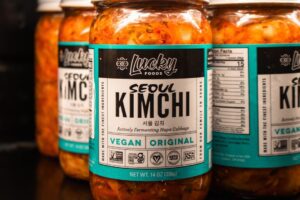
Incorporating postbiotics into your diet is a strategic endeavor that begins with understanding the sources of these beneficial compounds. Fermented foods, such as yogurt, kefir, sauerkraut, and kimchi, are rich in postbiotics due to the fermentation process that creates these bioactive compounds. This process not only enhances the nutritional profile of the food but also imbues it with postbiotics that can support gut health. The inclusion of such foods in daily meals can be a simple yet effective way to enhance your postbiotic intake. For example, starting your day with a breakfast that includes yogurt or kefir can provide a daily dose of not only probiotics but also the postbiotics they produce. The biological mechanism by which postbiotics exert their benefits is a fascinating area of study. These compounds can interact directly with the gut lining, promoting a healthy intestinal environment and influencing the systemic immune response. This interaction helps maintain the integrity of the gut barrier and may reduce the risk of dysbiosis-related issues. Additionally, postbiotics can play a role in modulating inflammation, offering potential benefits for those with inflammatory gut conditions. By incorporating a variety of fermented foods into your diet, you can harness these mechanisms to support your digestive health. Individual response to postbiotic intake can vary significantly based on factors such as genetics, age, and existing gut microbiota composition. Some individuals may experience pronounced benefits from dietary postbiotics, while others might notice subtler effects. This variation underscores the importance of personalizing dietary choices to align with individual health needs and goals. For instance, someone with a history of gut inflammation might find more pronounced relief through regular consumption of fermented foods compared to an individual without such a history. This personalized approach can help optimize the health benefits of postbiotics. A common misconception about postbiotics is that their benefits are solely linked to gut health. While they indeed play a crucial role in maintaining a healthy intestinal ecosystem, their impact extends beyond the gut. Postbiotics have been shown to influence metabolic health, potentially aiding in the regulation of blood sugar levels and lipid profiles. This surprising benefit highlights the systemic nature of postbiotics, offering a broader range of health advantages than commonly perceived. Incorporating foods rich in postbiotics, therefore, could contribute to metabolic health improvements in addition to gut health benefits. Al-Habsi et al. (2024) found that targeted postbiotic supplements could further enhance these systemic benefits by providing concentrated doses of bioactive compounds. This study suggests that supplements might be particularly beneficial for individuals who have dietary restrictions that limit the intake of fermented foods. For example, individuals with lactose intolerance or those adhering to a vegan diet might find it challenging to consume traditional sources of postbiotics like yogurt or kefir. In these cases, supplements offer a viable alternative to ensure adequate postbiotic intake, potentially improving health outcomes. The practical implications of integrating postbiotics into one’s diet are profound. With the increasing availability of fermented foods and supplements, individuals have more options than ever to enhance their postbiotic intake. Embracing a diet that incorporates a variety of fermented foods can be a flavorful and health-promoting strategy. Additionally, the development of postbiotic supplements tailored to specific health needs represents a promising avenue for those looking to target particular health issues, such as metabolic disorders or inflammatory conditions. This variety allows for flexibility and personalization in dietary planning, empowering individuals to make informed choices that align with their health objectives. Historical context provides insight into how the understanding of postbiotics has evolved over time. Initially, the health benefits of fermented foods were attributed primarily to the probiotics they contain. However, as research advanced, the focus shifted towards the bioactive compounds produced during fermentation — the postbiotics. This shift has led to a more nuanced understanding of how these compounds contribute to health, emphasizing their role in enhancing the symbiotic relationship between diet and the intestinal ecosystem. This evolution in scientific understanding underscores the dynamic nature of nutritional science and the ongoing efforts to refine dietary recommendations. A brief case vignette can illustrate the real-world impact of postbiotic integration. Consider an individual suffering from irritable bowel syndrome (IBS), who experiences significant improvement in symptoms after incorporating a daily serving of kimchi and a postbiotic supplement into their diet. This change not only alleviates digestive discomfort but also enhances their overall quality of life, showcasing the potential transformative impact of postbiotic-rich dietary choices. This example highlights the practical benefits and the potential for dietary interventions to improve health outcomes in individuals with specific gut-related conditions. Controversy still surrounds the standardization and regulation of postbiotic supplements. While their potential benefits are promising, the lack of standardized formulations and dosages poses a challenge for consumers. This lack of regulation can lead to variability in product quality and efficacy, making it crucial for consumers to choose reputable brands and consult healthcare professionals when considering supplementation. This ongoing debate reflects the broader challenges in the nutraceutical industry and emphasizes the need for further research and regulatory oversight to ensure consumer safety and product efficacy. As you explore the integration of postbiotics into your diet, it is essential to recognize the interplay between dietary choices and individual health goals. Making informed decisions about which fermented foods or supplements to incorporate can have a meaningful impact on your digestive health and beyond. However, the complexity of individual responses to postbiotics raises intriguing questions about how best to tailor these interventions.
Personalizing Postbiotic Use: Tailoring Benefits to Individual Needs
The potential of postbiotics to address specific health concerns lies in their ability to interact directly with the gut microbiota, thereby modulating systemic immune responses. One of the most intriguing aspects of postbiotic use is their potential to be customized based on individual health needs. For example, specific postbiotic compounds can target inflammation, a common underlying factor in numerous chronic diseases. By working at the molecular level, these compounds influence cellular pathways involved in immune responses and inflammation, which could be beneficial in conditions like rheumatoid arthritis or inflammatory bowel disease. Individuals experiencing such conditions may notice an improvement in symptoms when integrating tailored postbiotics into their regimen, demonstrating how these compounds can provide targeted health support.
The effectiveness of postbiotics may vary considerably among individuals due to factors like genetics, baseline microbiome composition, and dietary habits. The interaction between postbiotics and the gut microbiome involves a complex exchange of biochemical signals, which can differ significantly from person to person. For instance, some individuals may have a microbiome that is more receptive to certain postbiotic compounds, enhancing their effectiveness in promoting gut health or reducing inflammation. This variability underscores the importance of personalized approaches in postbiotic interventions, which may involve microbiome profiling to better understand individual needs. By tailoring postbiotic use to these unique profiles, it becomes possible to maximize health benefits and address specific concerns more effectively.
Studies have begun to show that personalized postbiotic regimens can lead to better health outcomes compared to generic formulations. For instance, research published in Clinical Microbiology Reviews suggests that the efficacy of postbiotics may be significantly enhanced when they are matched to the individual’s specific microbial composition and health status (Sorboni et al., 2022). This tailored approach could lead to more effective management of gut-related disorders, as well as improved metabolic health. By incorporating this personalized information, healthcare providers can devise strategies that are more likely to yield positive results, providing a promising avenue for future clinical applications.
A counterintuitive aspect of postbiotic use is that more is not always better. Unlike probiotics, where higher doses might be linked to increased efficacy, postbiotics work through specific mechanisms that do not necessarily benefit from increased quantity. Each compound has a unique pathway of action, and excessive amounts could lead to diminished returns or even adverse effects. This highlights the importance of understanding the specific needs of the individual rather than adopting a one-size-fits-all mentality. Personalization in dosing and selection of specific postbiotics can ensure that the compounds operate optimally within the biological systems they aim to support.
The practical implications of personalizing postbiotic interventions are profound. For the average person considering postbiotics, this means moving beyond generic advice and seeking more specialized guidance. Healthcare providers could play a crucial role here, offering personalized recommendations based on a person’s health history, lifestyle, and microbiome analysis. This approach not only maximizes the potential benefits of postbiotics but also minimizes the risk of ineffective or counterproductive use. By engaging in this personalized process, individuals can make more informed decisions that align with their specific health goals, whether they are related to inflammation, gut health, or immune support.
Historically, the concept of tailoring microbial interventions has evolved significantly with advances in microbiome research. Initially, the focus was on broad-spectrum probiotics aimed at general health improvement. However, as scientific understanding deepens, there’s a shift towards more precise, targeted strategies that consider the unique microbial landscape of each individual. This evolution mirrors broader trends in personalized medicine, where treatments are increasingly being adapted to fit individual genetic and microbiological profiles. The rise of personalized postbiotics reflects this shift, offering a more nuanced approach to enhancing gut and overall health.
In some patient populations, personalized postbiotic strategies have already demonstrated notable success. Consider the case of individuals with irritable bowel syndrome (IBS), where traditional treatments often fall short. By analyzing the microbiome and identifying specific dysbiosis patterns, healthcare providers can recommend postbiotics that target the exact microbial imbalances contributing to symptoms. Reports suggest that such personalized interventions can lead to significant improvements in quality of life for IBS patients, reducing symptoms like bloating and discomfort more effectively than generic treatments. This case exemplifies the potential of personalized postbiotic use in addressing complex, multifactorial health issues.
The personalization of postbiotics is not without its challenges, particularly in the realm of scientific consensus and regulation. Experts continue to debate the best methodologies for profiling individual microbiomes and determining the most effective postbiotic compounds for different health conditions. This ongoing discussion highlights the need for continued research and innovation in the field. As the scientific community works towards clearer guidelines, individuals must navigate this evolving landscape with the help of knowledgeable healthcare providers who can interpret current evidence to guide personalized interventions.
Another area where experts still disagree is the long-term safety and efficacy of personalized postbiotic interventions. While short-term studies have shown promising results, the long-term implications remain less clear. There is an ongoing need to monitor outcomes over extended periods to ensure that personalized postbiotic strategies do not inadvertently lead to unintended consequences, such as microbial imbalances or reduced microbial diversity. These concerns underline the importance of cautious optimism and the necessity for rigorous long-term research to validate the promising results seen in preliminary studies.
As we continue to explore the potential of postbiotics, the concept of personalization opens up exciting possibilities. However, it also raises critical questions about accessibility and equity in health interventions. Will personalized postbiotics become widely available, or will they remain a niche option for those with access to advanced healthcare resources? This tension between innovation and accessibility will likely shape the future landscape of postbiotic use, challenging both the scientific community and healthcare systems to ensure that these interventions are available to all who might benefit.
The future of postbiotics lies in the ability to harness their potential through personalized strategies that consider individual health needs and microbiome profiles. Yet, the path forward is not without its complexities. How will personalized postbiotics fit into the broader ecosystem of personalized medicine, and what role will they play in future healthcare strategies? As we delve deeper into these questions, the answers may redefine our understanding of gut health and its impact on overall well-being.
Your Action Plan: Start Boosting Your Health with Postbiotics
Embarking on your journey to improved health with postbiotics can begin as soon as tomorrow. The first week focuses on introducing postbiotic-rich foods into your diet. Consider starting with fermented foods like kimchi, sauerkraut, or kefir, which naturally contain these beneficial compounds. These foods are not only accessible but also integrate seamlessly into everyday meals. Aim for a serving of fermented food daily, monitoring any changes in digestion or energy levels. This gradual introduction allows you to gauge how your body responds before making further changes.
In the second and third weeks, you can build on this foundation by incorporating postbiotic supplements. Supplements can offer a more concentrated dose of beneficial compounds, potentially enhancing their effects. However, selecting a high-quality supplement is critical. Look for products that specify their postbiotic content and have undergone rigorous testing. During these weeks, continue to track how you feel, paying attention to digestive health, energy levels, and any changes in mood. The goal is to identify tangible benefits that reinforce your commitment to this new regimen.
By the fourth week, you should have a baseline understanding of how postbiotics are affecting your health. If you’ve noticed improvements, consider maintaining your current intake of postbiotic foods and supplements. However, if benefits are minimal or absent, it may be time to reassess your plan. Consulting with a healthcare professional can provide insights into whether specific health conditions or dietary habits might be influencing your results. This period is crucial for determining the next steps, ensuring that your approach remains both effective and safe.
One of the fascinating aspects of postbiotics is their potential to enhance immune function. For instance, short-chain fatty acids, a type of postbiotic, have been shown to modulate immune responses. This modulation can lead to a more resilient immune system, better equipped to handle infections. If you’ve experienced fewer illnesses or quicker recovery times over the past month, it could be a sign that your postbiotic intake is positively impacting your immune health. Such benefits underscore the importance of continuing this dietary approach.
The path to optimizing health with postbiotics is not without its challenges. Individual responses can vary significantly, influenced by factors such as genetics and baseline microbiome composition. While some individuals may experience rapid improvements, others might require a longer adjustment period. This variability highlights the importance of patience and persistence. If you find that your initial efforts yield limited results, consider experimenting with different types of fermented foods or adjusting supplement dosages. Keep a journal to record your observations, which can be invaluable in tailoring your approach.
Recent studies, such as Liu et al. (2023), suggest that postbiotics may offer mental health benefits alongside physical ones. These findings, rooted in research over the past decade, propose that postbiotics could play a role in reducing symptoms of anxiety and depression. If you notice mood improvements, even subtle ones, this could be a promising indicator that postbiotics are supporting not just your gut health but your mental well-being as well. Such insights can motivate continued adherence to your postbiotic regimen.
Beyond individual health changes, postbiotics offer societal implications that are worth considering. As awareness of their benefits grows, demand for postbiotic-rich foods and supplements is likely to increase. This trend could drive innovation in the food industry, leading to a wider variety of products designed to support gut health. For consumers, this means greater accessibility and more opportunities to integrate these compounds into daily life. Staying informed about new developments can help you make educated choices about the products that best meet your needs.
The historical context of postbiotics reveals a fascinating evolution in scientific understanding. While the term itself is relatively new, the concept dates back to traditional practices of fermentation. These practices have long been recognized for their health benefits, even if the mechanisms were not fully understood. The modern scientific community has gradually elucidated these mechanisms, revealing the complex interactions between postbiotics and human health. This historical journey underscores the value of traditional wisdom, now supported by scientific validation.
As you continue your journey with postbiotics, remain attentive to any symptoms that might suggest an adverse reaction or lack of progress. Common signs to watch for include persistent digestive discomfort or unexplained fatigue. Should these occur, a consultation with a healthcare provider can help determine if adjustments to your postbiotic intake or broader dietary habits are warranted. It’s essential to approach this process with flexibility, adapting your plan as needed based on your body’s signals.
In summary, integrating postbiotics into your routine offers a proactive step toward enhanced health. Begin with accessible fermented foods, progress to targeted supplements, and remain observant of the changes you experience. This structured approach not only empowers you to take control of your health but also contributes to broader conversations about dietary interventions and wellness. Start tomorrow with a simple step, and let the journey unfold from there.
Ultimately, the integration of postbiotics into your lifestyle is a journey of discovery and adaptation. As you experiment with different foods and supplements, you’ll gain insights into what works best for your body. This personalized approach is key to reaping the full benefits of these compounds. Remember, the small changes you make today can lay the foundation for lasting health benefits. Begin your journey with postbiotics tomorrow, and let each day be a step toward a healthier you.