Photo by engin akyurt on Unsplash
Among foods studied for adults with chronic constipation are green kiwifruit, prunes and rye bread. Studies of drinks have tested high-mineral water rather than simply advising people to drink more plain water. A 2024 systematic review of 23 studies in 1,714 adults with chronic constipation examined these foods and drinks.
Choose one approach first, rather than changing several parts of your diet at once. That makes it easier to tell whether it is helping or causing unwanted effects. Urgent symptoms need medical care, not a dietary experiment.
Choose a first food or drink to try
| Option to try | Tested amount | Try it for | Review point |
|---|---|---|---|
| Green kiwifruit | 2 green kiwifruits daily | 4 weeks | At 4 weeks, decide whether bowel movements are more frequent or easier to pass. This is a food-first option included in 2025 dietary guidelines for adults with chronic constipation. |
| Prunes | 100 g daily | 3 weeks | At 3 weeks, decide whether the change is worthwhile. Prunes were one of the foods assessed in a systematic review of trials in adults with chronic constipation. |
| Rye bread | About 240 g daily | 3 weeks | At 3 weeks, assess stool frequency and how easily you can pass stool. A trial included in the adult constipation systematic review used this amount. |
| High-mineral water | About 1.5 L daily | 2 weeks | At 2 weeks, review whether constipation has improved. |
Start with kiwifruit if it is convenient and acceptable to you; it was tested in more studies than the other individual foods in the table in a 2024 systematic review of adults with chronic constipation. Choose prunes if you prefer them, or high-mineral water if a drink-based approach is more practical. Do not keep increasing the amount indefinitely if it does not help. At the review point, either continue a useful option, switch to one other tested choice, or seek clinical advice.
Are kiwifruits worth trying for constipation?
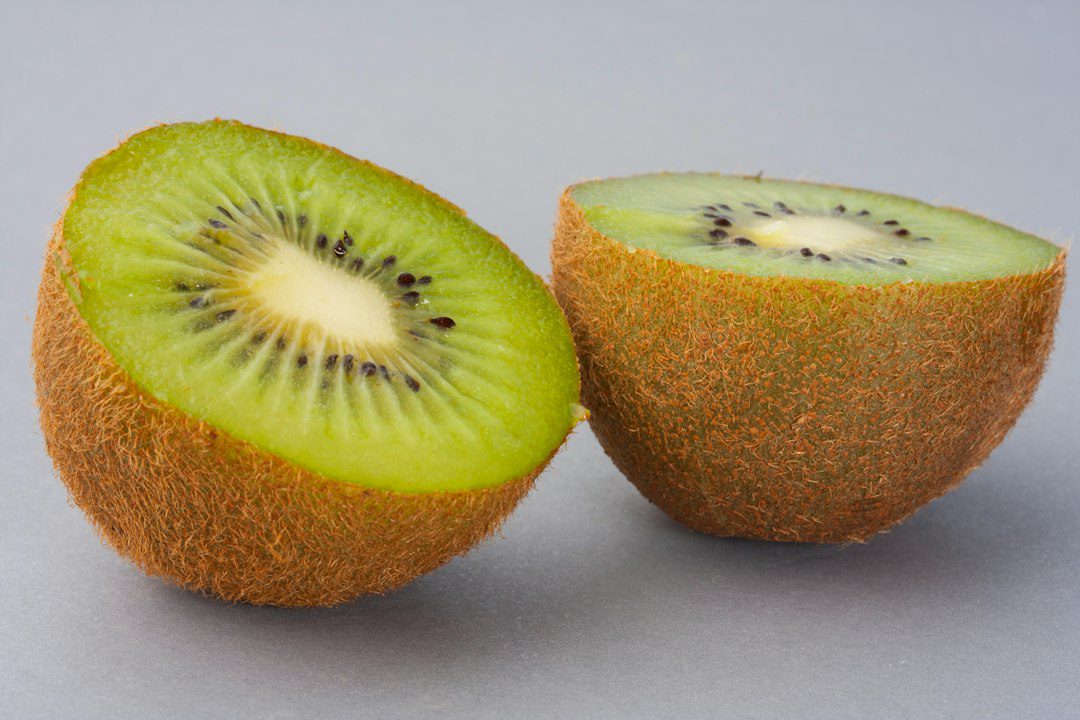
Yes, green kiwifruit is a reasonable first food to try if you have constipation and can eat it safely; 2025 dietary guidelines for adults with chronic constipation include recommendations on kiwifruit. In the same 2024 systematic review, seven studies tested kiwifruit, making it the most frequently studied fruit intervention in that review.
Kiwifruit is not guaranteed to work for every person, but the research is encouraging enough to make it a practical food-first option. The review found that fruit interventions increased stool frequency compared with psyllium; kiwifruit made up most of the participants in that comparison (a systematic review and meta-analysis of adult constipation trials). This does not mean kiwifruit will necessarily work better than psyllium for you, or that everyone should replace other treatments with fruit. It means kiwifruit has been tested often enough to be a sensible option to assess on its own.
How to try it
A practical trial is two green kiwifruits each day for four weeks, an amount and duration used in adult constipation trials considered in 2025 dietary guidelines for adults with chronic constipation. Eat them in the way you find easiest, such as with breakfast or split between meals. Keep the rest of your routine broadly similar while you test them, rather than starting several new foods or drinks at once.
Judge the result by your own symptoms. A useful change may be stools becoming more frequent, easier to pass, or both. You do not need to match an average result from a study for the trial to be worthwhile. It can help to make a simple note of bowel movements, stool consistency and straining during the four weeks, especially if your symptoms vary from day to day.
If there is no worthwhile improvement after four weeks, stop treating kiwifruit as the answer and choose another tested option or discuss your constipation with a clinician. Do not try kiwifruit if you have a kiwi allergy; choose a different tested food or drink instead.
Can prunes, rye bread or other fiber foods help?
Prunes and rye bread are reasonable alternatives if you do not want to try kiwifruit. They contain fiber, but the useful point is not simply that they are “high-fiber” foods: these particular foods have been tested in adults with chronic constipation. Research does not show that every broadly defined high-fiber diet will relieve constipation (a systematic review of food and drink trials in adults with chronic constipation; 2025 dietary guidelines for adults with chronic constipation).
| Food | A practical trial | What the research found | When to reconsider |
|---|---|---|---|
| Prunes | Eat 100 g daily for three weeks. | In trials reviewed in a systematic review of food interventions in adults with chronic constipation, prunes did not show a clear difference from psyllium for stool frequency. | At three weeks, continue only if stools are more frequent, easier to pass, or both. |
| Rye bread | Eat about 240 g daily for three weeks, the amount used in a rye-bread trial. | In a small randomized comparison included in a meta-analysis of adult constipation trials, rye bread increased stool frequency more than white bread. | At three weeks, decide whether the amount is practical and whether your bowel habits have improved enough to continue. |
Try one of these options instead of adding it to a full-dose kiwifruit plan. That approach makes it easier to identify what is helping.
There is no need to force a food you dislike or that worsens your symptoms. If prunes are not appealing, rye bread may be an alternative; if rye bread is not part of your usual diet, choose another tested option rather than assuming any cereal, bran product or high-fiber eating plan will have the same effect. Keep a brief note of bowel movements, straining and discomfort during the three-week trial so your decision is based on a pattern rather than one good or bad day.
What should I know about fluids and mineral water?
Drinking extra plain water is not, by itself, a proven constipation treatment. The drink studies reviewed in adults with chronic constipation tested high-mineral water, not a general instruction to drink more ordinary water (a systematic review and meta-analysis of food and drink trials in adults with chronic constipation; 2025 dietary guidelines for adults with chronic constipation).
In a 2024 meta-analysis of trials involving 539 adults with chronic constipation, high-mineral water produced a higher treatment-response rate than low-mineral water. “Treatment response” is a study outcome rather than a guarantee that the water will work for every person. It also does not establish that any bottled water, sparkling water or tap water will have the same effect.
If you choose this option, use a water labelled as high in minerals and follow the two-week amount and timing in the table above. Take it consistently, without also starting prunes, kiwifruit or a major dietary change at the same time. Record how often you have a bowel movement and whether stool is easier to pass. At the end of the trial, decide whether the change is meaningful enough to continue.
Do not keep increasing your fluid intake simply because constipation has not improved. If the high-mineral-water trial does not make a worthwhile difference after two weeks, choose one other tested option or seek clinical advice rather than continuing indefinitely.
Check with your clinician before trying high-mineral water for constipation if you have been told to restrict fluids or minerals because of kidney disease, heart disease or another medical condition. The appropriate type and amount of fluid may be different in those situations.
What food research still cannot tell us
The evidence is useful, but it is not strong enough to predict exactly which option will work for you. The individual studies in the 2024 systematic review of adults with chronic constipation tested different foods, amounts, comparison treatments and outcomes.
The trial amounts in this article are best treated as structured experiments, not as proven personal prescriptions. A group-average result can hide important differences between people, so a food can be worth trying without being the right long-term answer for everyone.
The British Dietetic Association guideline took a broader look, using four systematic reviews and meta-analyses covering 75 randomized controlled trials. It made dietary recommendations for kiwifruit, prunes and rye bread, and drink recommendations for high-mineral water (2025 British Dietetic Association guidelines for adults with chronic constipation). This supports choosing from these specific, studied options rather than relying on vague claims that any “healthy” or high-fiber diet will relieve constipation.
However, the same guideline did not make recommendations for whole-diet approaches because the evidence was lacking (2025 British Dietetic Association guidelines for adults with chronic constipation). Research therefore cannot yet tell us that following one particular overall eating pattern is a reliable treatment for constipation.
Most dietary recommendation statements in the 2025 guideline for adults with chronic constipation were rated low or very low certainty, meaning further well-designed research could change the conclusions. Try one tested food or drink in the studied way, assess your own response at the planned review point, and avoid assuming that more of the same food will produce better results.
When constipation needs a clinician, not another food trial
Food trials are for constipation without warning signs. They are not a substitute for medical assessment when symptoms could reflect a blockage, bleeding, an underlying illness or a medication effect. The 2023 clinical guideline for chronic constipation recommends considering secondary causes, including organic disease, systemic illness and medication-related constipation, before assuming the problem is functional constipation.
Seek urgent medical care now if you have:
- severe or worsening abdominal pain;
- vomiting;
- a swollen or increasingly distended abdomen; or
- an inability to pass either stool or gas.
Do not wait to see whether kiwifruit, prunes, rye bread or mineral water works if any of these symptoms are present.
Arrange prompt clinical assessment if you have:
- rectal bleeding or black, tar-like stools;
- unexplained weight loss;
- fever;
- possible anemia symptoms, such as unusual tiredness, weakness, breathlessness or dizziness; or
- new, persistent constipation, particularly if it begins later in life.
A clinician can review your symptoms, medical history and medicines, and decide whether tests or a change in treatment are needed. Mention prescription medicines, over-the-counter products and supplements, since some can contribute to constipation.
What to do after a food trial fails
- If one planned food or drink trial has not made a worthwhile difference by its review point, do not keep increasing the amount or repeat the same trial indefinitely.
- You may choose one different tested option if you have no warning symptoms and the first option was tolerable.
- If constipation continues despite one or two planned trials, is recurrent, or is affecting daily life, make an appointment with a clinician rather than continuing to experiment with food alone.
Take any brief record of bowel frequency, straining, stool consistency, pain and the foods or drinks you tried. This can help make the appointment more specific and support assessment for possible secondary causes.
Related: IBS without medication, low-FODMAP diet