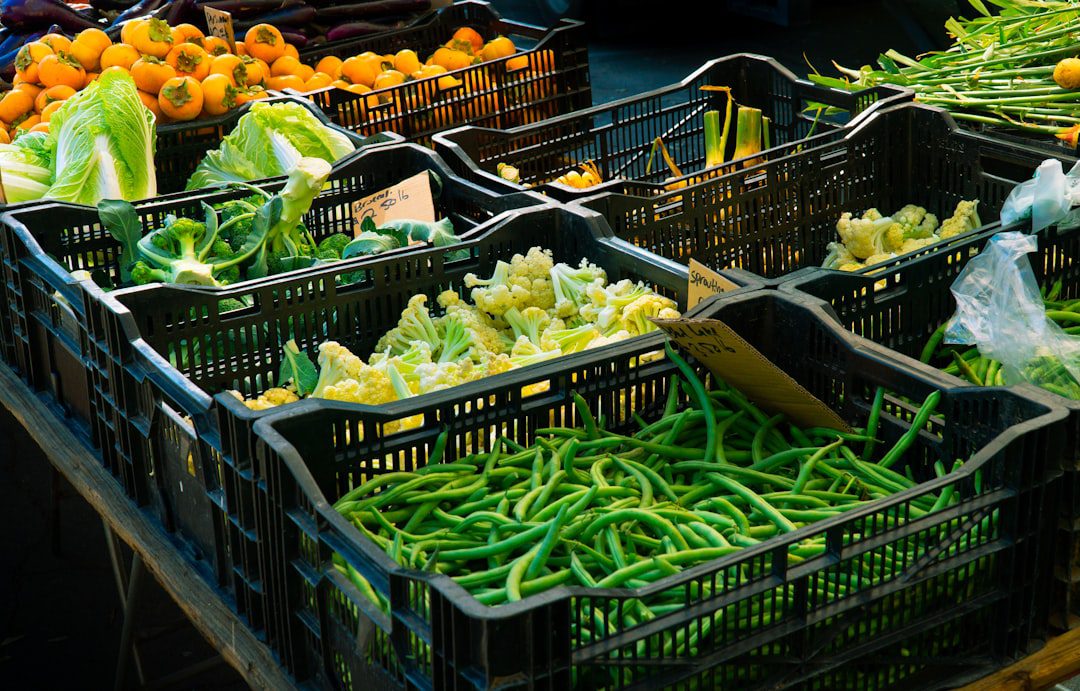
Photo by Earl Wilcox on Unsplash
Here’s a paradox for you: in a world obsessed with diet and nutrition, one of the most crucial components for gut health—dietary fiber—is often overlooked. While the “clean eating” movement flourishes, fiber remains the unsung hero, silently working behind the scenes to keep our gut microbiome happy. But why is fiber so essential, and why does the magic number stand at 25 grams per day?
Modern dietary trends have led us away from high-fiber foods, tilting our plates toward processed options. This shift has profound implications for our gut health. A 2021 study published in Nutrients by Cronin and colleagues highlights that Western diets low in fiber are linked to a rise in gut-related diseases, including inflammatory bowel disease and metabolic conditions like obesity and type II diabetes. The research emphasizes a significant alteration in gut microbial signatures, suggesting a connection between diet, microbes, and disease.
The Science Behind Fiber for Gut Health
Fiber acts like a personal trainer for your gut microbiome, encouraging the growth of beneficial bacteria while keeping the less friendly bugs in check. The study in Nutrients offers compelling evidence that fiber intake is inversely correlated with the prevalence of metabolic diseases. The researchers found that individuals consuming higher fiber diets exhibited improved metabolic parameters, including lower levels of insulin resistance and more favorable cholesterol profiles.
So, what exactly is happening in your gut when you consume enough fiber? The evidence suggests that fiber-rich diets lead to increased production of short-chain fatty acids (SCFAs). These metabolites serve as fuel for your colon cells and help maintain an optimal pH, discouraging the growth of harmful bacteria. This metabolic magic is one reason why fiber is so closely tied to digestive health.
Despite its numerous benefits, many of us fall short of the recommended 25 grams per day. This deficiency is largely due to the convenience of processed foods, which are often stripped of their natural fiber content. Transitioning to a diet that meets this daily requirement can profoundly impact not just your gut health but your overall well-being.
Real-World Fiber: How to Meet Your Daily Requirement
Getting to 25 grams of fiber a day doesn’t have to be a herculean task. It’s about making smarter food choices that naturally integrate more fiber into your meals. Start by incorporating whole grains, fruits, and vegetables into every meal. Think of fiber-rich foods as the unsung heroes of your plate, quietly enhancing your gut health without demanding attention.
Consider starting your day with a bowl of oatmeal topped with berries—both excellent sources of fiber. Midday, swap that white bread sandwich for one made with whole grain bread. Each of these small changes can make a significant dent in your fiber goals. And remember, increasing fiber intake should be gradual to allow your gut to adjust, mitigating any initial discomfort.
For those looking to elevate their fiber game, explore prebiotic foods. These act as fuel for beneficial bacteria, further enhancing your gut ecosystem. Check out our Prebiotic Foods List for inspiration.
Navigating the Fiber Jungle: What to Keep in Mind
While the benefits of fiber are well-documented, not all fibers are created equal. Soluble fiber, found in foods like oats and legumes, dissolves in water, forming a gel-like substance that can help lower blood cholesterol and glucose levels. Insoluble fiber, found in whole grains and vegetables, adds bulk to stool and aids in regular bowel movements.
Balancing these two types of fiber is essential for comprehensive gut health. Too much of one and not enough of the other can lead to digestive discomfort. The key is variety—mixing different sources to ensure a well-rounded fiber intake.
Be cautious of fiber supplements. While they can be beneficial in certain cases, whole foods offer additional nutrients and compounds that supplements lack. If you’re considering supplements, consult a healthcare professional to ensure they’re the right choice for you.
The Microbiome Connection: More Than Just Fiber
Fiber’s role in gut health is a part of a larger conversation about maintaining a balanced microbiome. While fiber is crucial, it’s not the only player. Polyphenols, another group of plant compounds, also play a significant role in nurturing a healthy gut environment. Learn more about how polyphenols can benefit your microbiome in our article on Polyphenols and Gut Health.
Understanding gut dysbiosis—a microbial imbalance—can also illuminate why fiber is so essential. If you’re curious about the symptoms and recovery of gut dysbiosis, dive deeper into our guide on Gut Dysbiosis Symptoms.
The journey to better gut health through fiber is an enlightening one. It’s about more than just numbers—it’s about fostering a balanced and diverse microbial community that supports your overall health.
As you embark on this path, remember that sustainable changes are key. Start today by choosing one fiber-rich food to incorporate into your meals. Over time, these small choices add up to significant health benefits.