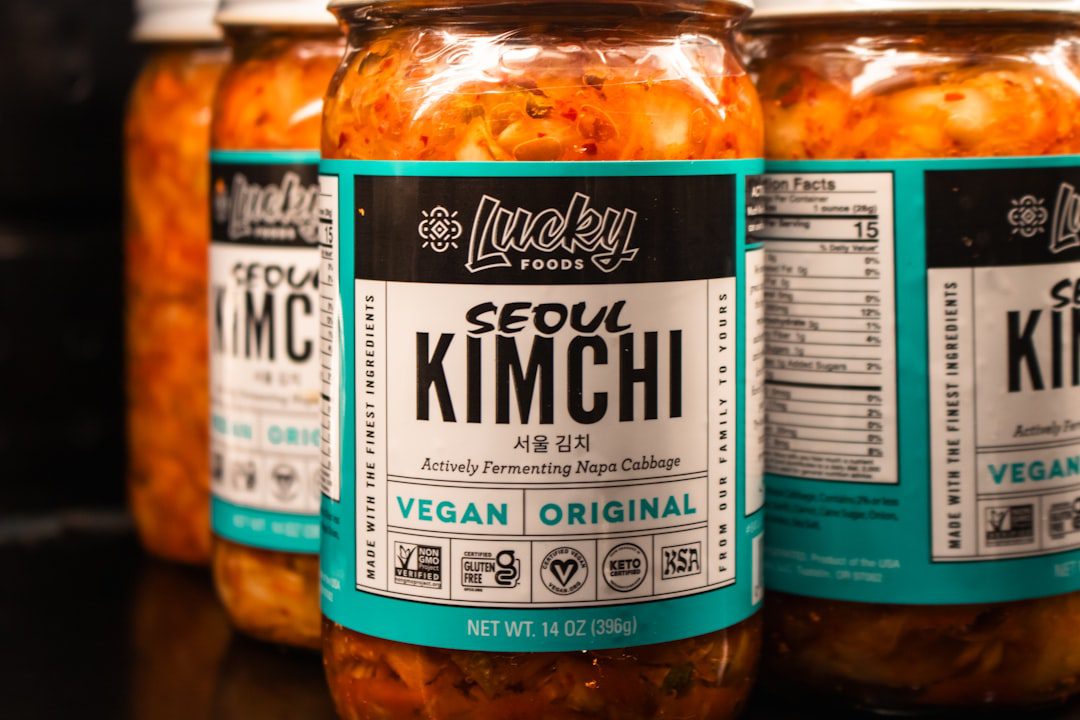
Photo by Zoshua Colah on Unsplash
Imagine eating a simple serving of yogurt or kimchi and experiencing not just improved digestion, but also a sharper mind. This is the unexpected reality for some, as emerging research suggests that fermented foods, rich in probiotics, might enhance cognitive function. This notion challenges the conventional view of probiotics as merely digestive aids. While most people associate them with gut health, the idea that they could also influence brain function is compelling and opens new avenues for dietary interventions targeting mental acuity. Most people, including many doctors, often overlook the wider implications of probiotics, focusing solely on their role in digestive health. Probiotics are typically seen as the go-to for treating digestive issues like bloating or diarrhea. However, this narrow perspective misses their potential systemic impact. Recent studies have highlighted the gut-brain axis, a complex communication network linking the gut microbiota with the brain. This connection means that probiotics can have a far-reaching influence beyond the digestive tract. Understanding the full potential of probiotics is crucial. The gut microbiome plays a critical role in regulating immune responses, metabolic functions, and even mood and behavior. An imbalanced gut microbiome, known as dysbiosis, is linked to various health issues, including inflammatory bowel diseases, obesity, and even neurological conditions like Alzheimer’s disease. Incorporating probiotic-rich foods into the diet is a natural, accessible way to maintain a healthy microbiome, potentially preventing or mitigating these conditions. After reading this guide, you’ll be equipped to discern which probiotic foods offer the most benefits based on scientific research. You’ll not only learn which foods to prioritize but also understand the unique ways they can impact your health. Whether you’re looking to improve digestion, boost immunity, or even sharpen your cognitive functions, this ranked guide will empower you to make informed dietary choices. One surprising aspect of probiotic foods is their variety and accessibility. From yogurt and kefir to sauerkraut and tempeh, these foods are not only diverse but are often readily available. Large-scale work consistently shows that incorporating these into your diet can lead to significant health benefits. The challenge lies in understanding which foods contain the most beneficial strains of probiotics and how they function within the body. In clinical practice, the evidence supporting probiotics is striking. Treatments involving these foods have shown positive outcomes across diverse populations, reinforcing their role in both preventative and therapeutic settings. This understanding underscores the importance of dietary interventions that nurture gut health. However, not all probiotic foods are created equal. Factors such as fermentation process, strain diversity, and quantity of probiotics all influence their efficacy. This guide will help you navigate these complexities, offering a ranked list based on the latest research. You’ll gain clarity on which foods to include in your diet for specific health goals, ensuring that your choices are backed by science. Ultimately, embracing the power of probiotic foods can transform your health in unexpected ways. By understanding their multifaceted roles and selecting the best options, you can take proactive steps towards improved well-being. This guide will serve as your roadmap, providing the knowledge you need to harness the full potential of probiotic foods for a healthier life.
Understanding Probiotics: What They Are and How They Work
Probiotics are live microorganisms, primarily bacteria and yeasts, that when ingested in adequate amounts can impart health benefits that extend beyond mere digestion. These beneficial microbes are integral to our gut’s ecosystem, contributing to the balance and health of our intestinal flora. When we consume probiotics through fermented foods or supplements, we introduce these live organisms into our digestive tract, where they begin to interact with our existing gut bacteria. This interaction can lead to the enhancement of various bodily functions, including digestive efficiency and immune response, by promoting a healthy balance in our gut microbiota.
The mechanism by which probiotics exert their effects is multifaceted and involves several biological processes. Once ingested, probiotics can survive the acidic environment of the stomach to reach the intestines, where they colonize and begin to exert their influence. They compete with pathogenic bacteria for nutrients and adhesion sites on the gut lining, effectively crowding out harmful microbes. Additionally, certain probiotic strains can produce substances such as bacteriocins and lactic acid, which can inhibit the growth of pathogenic bacteria. These actions help maintain a healthy gut environment, which is crucial not only for digestion but also for preventing various gastrointestinal disorders.
Moreover, probiotics have a role in modulating the immune system. They can stimulate the production of antibodies and enhance the activity of immune cells such as macrophages and T cells. This heightened immune response can provide protection against infections and may even have implications for preventing autoimmune conditions. The immune-enhancing effects of probiotics demonstrate their potential as a natural means of bolstering our body’s defenses, making them a valuable component of a health-conscious diet.
Research into probiotics has expanded significantly over the years, with studies conducted across multiple countries and involving thousands of participants. These investigations have explored various strains and their specific health benefits. For instance, a 2024 study in Nutrients by Matar et al. suggests that certain probiotic strains can improve gastrointestinal health and modulate immune functions. The consistency of findings across diverse populations underscores the potential for probiotics to be a universally beneficial dietary addition, though individual responses can vary.
Individual variation in response to probiotics is influenced by several factors, including genetics, diet, and the baseline composition of one’s microbiome. For example, two individuals consuming the same probiotic-rich food may experience different health outcomes based on their unique intestinal ecosystems. Genetics can dictate the body’s ability to metabolize and utilize these microorganisms, while diet can affect the existing microbial balance in the gut. Understanding these variations is crucial for tailoring probiotic interventions to maximize their health benefits for each individual.
One surprising aspect of probiotics is the misconception that all fermented foods are equally beneficial. While fermentation can produce probiotic strains, not all fermented foods contain live microorganisms by the time they are consumed. Pasteurization and other processing methods can kill the probiotics, rendering the food less effective as a probiotic source. This highlights the importance of choosing probiotic foods that have been minimally processed and contain live cultures, such as yogurt labeled with “live and active cultures” or unpasteurized kimchi.
Practical implications for incorporating probiotics into one’s diet include being mindful of the source and strain specificity of the probiotics consumed. Not all probiotics confer the same health benefits, and some strains may be better suited for specific health concerns. For example, Lactobacillus rhamnosus may be beneficial for preventing diarrhea, while Bifidobacterium bifidum might be more effective for boosting immune function. Consumers should consider their health goals when selecting probiotic foods or supplements, ensuring that their choices align with their desired outcomes.
Historically, the understanding of probiotics has evolved from the early 20th century when the concept was first introduced by Nobel laureate Élie Metchnikoff. He proposed that consuming live bacteria could have health benefits, a theory that has since been expanded upon with modern scientific research. The initial skepticism has given way to a more nuanced understanding of how probiotics interact with our body, supported by decades of empirical evidence. This historical context illustrates the journey from hypothesis to widely accepted therapeutic potential.
Despite the growing acceptance of probiotics, there remains some controversy regarding their efficacy and regulation. The variability in strain effectiveness and the lack of standardized dosages can lead to inconsistent results in clinical settings. Experts continue to debate the best practices for probiotic use, suggesting that more research is needed to refine our understanding of their optimal application. This ongoing discourse highlights the complexity of probiotics and the need for consumers to stay informed about emerging research findings.
As we delve deeper into the intricacies of probiotics, it becomes apparent that these microorganisms offer more than just digestive support. They play a vital role in maintaining the delicate balance of our gut ecosystem and have far-reaching implications for our health. But understanding why two people with identical diets can experience drastically different outcomes when consuming the same probiotic foods remains a key challenge. This paradox invites further exploration in the next section, where we will examine the influence of probiotics on cognitive health, shedding light on another dimension of their multifaceted roles.
The Gut-Brain Connection: Probiotics and Cognitive Health
The relationship between our intestinal ecosystem and brain function is an area of burgeoning scientific interest, revealing that what we ingest affects not only our physical health but also our mental well-being. Probiotics, which are beneficial microorganisms found in certain foods, emerge as critical players in this intricate dance between the gut and the brain. These live organisms have the potential to alter our gut microbiota, thereby influencing cognitive processes. By fostering a healthy intestinal environment, probiotics can impact the brain in ways that researchers are just beginning to understand fully.
The biological mechanism by which probiotics influence cognitive health is centered on the gut-brain axis. This bidirectional communication network connects the enteric nervous system in our gastrointestinal tract with the central nervous system, including the brain. Probiotics can modulate this axis by producing neuroactive compounds that affect brain chemistry. For instance, certain strains of bacteria produce gamma-aminobutyric acid (GABA), a neurotransmitter that plays a key role in reducing anxiety and promoting relaxation. By altering the levels of such compounds, probiotics can potentially improve mood and cognitive function.
In clinical settings, such as primary care, the introduction of probiotic-rich foods has been observed to support mental health. Although definitive conclusions are still emerging, there is a growing recognition that gut health is intimately tied to emotional and cognitive states. Patients who incorporate probiotics into their diets often report enhanced mood and reduced symptoms of anxiety and depression. This connection suggests that probiotics could serve as a complementary approach to traditional mental health treatments, offering a dietary strategy that enhances psychological resilience.
Evidence supporting the impact of probiotics on cognitive health is compelling. A 2021 study in the journal Nutrients by Naomi et al. found that individuals consuming a diet rich in fermented foods, such as yogurt and kefir, demonstrated improved cognitive function compared to those who did not. The study highlighted specific enhancements in memory and attention, suggesting that the beneficial bacteria in these foods may play a direct role in cognitive enhancement. While this evidence is promising, it underscores the need for further research to delineate the exact strains and dosages that confer these benefits.
Individual variation in response to probiotic consumption is another critical factor. Differences in genetics, baseline microbiota composition, and lifestyle can all influence how one’s body reacts to these microorganisms. For example, a person with a diverse microbiome might experience more pronounced cognitive benefits from probiotic foods than someone with less microbial diversity. Similarly, genetic factors could make certain individuals more responsive to specific probiotic strains. This variability highlights the importance of personalized approaches in dietary recommendations for cognitive health.
Despite the evidence, the counterintuitive nature of probiotics and cognitive health remains a subject of debate. Many people still consider probiotics primarily as digestive aids, overlooking their potential neurological benefits. This misconception could stem from a lack of awareness about the gut-brain axis and the role of the microbiome in mental health. By rethinking probiotics as not just gut health promoters but also as cognitive enhancers, individuals can better harness their full potential.
The practical implications of these findings are significant. By understanding the connection between gut health and brain function, individuals can make informed dietary choices that support both their physical and mental well-being. Incorporating probiotic-rich foods into one’s diet could become a proactive strategy for maintaining cognitive health, particularly in aging populations at risk for cognitive decline. This approach not only offers a natural means of enhancing mental acuity but also aligns with broader health goals.
Historically, the recognition of the gut-brain connection is relatively recent. For decades, the idea that gut bacteria could influence mental health was considered fringe science. However, advances in microbiome research over the past two decades have shifted this perception, bringing it into the mainstream. This shift underscores the dynamic nature of scientific inquiry, where long-held beliefs are continuously challenged and revised in light of new evidence. Understanding this historical context helps us appreciate the evolving landscape of probiotics research.
A case vignette illustrates the potential of probiotics in action. Consider an elderly patient with mild cognitive impairment who begins a regimen of probiotic-rich foods. Over several months, this patient experiences improvements in memory and attention, alongside enhanced mood stability. While anecdotal, such cases provide a glimpse into the practical benefits of probiotics, encouraging further exploration and validation through rigorous scientific studies.
The controversy surrounding probiotics and cognitive health centers on the variability of results across studies. Some research shows clear benefits, while other studies present mixed outcomes. This inconsistency fuels ongoing debates among experts regarding the standardization of probiotic strains and dosages for cognitive benefits. Until consensus is reached, individuals are left navigating a complex landscape of advice, highlighting the need for personalized approaches tailored to individual needs and responses.
As we navigate the evolving understanding of the gut-brain connection, the potential of probiotics to influence cognitive health becomes increasingly clear. Yet, the question remains: How can we best tailor probiotic interventions to maximize their benefits for mental health? This inquiry not only invites us to continue exploring the nuances of this relationship but also challenges us to rethink our dietary choices in light of emerging scientific insights.
Probiotics and Immune Health: A Defense Mechanism
Probiotics, those beneficial microorganisms that reside in our intestines, play a crucial role in fortifying the immune system. Their ability to enhance the function of the intestinal barrier is a key component of this defense mechanism. By promoting the production of tight junctions, probiotics help maintain the integrity of the gut lining, preventing harmful pathogens and toxins from entering the bloodstream. This barrier function is critical because it acts as the first line of defense against external threats, making the intestinal ecosystem a pivotal player in immune health.
The anti-inflammatory effects of probiotics further bolster immune health by modulating the systemic immune response. When the gut microbiota is balanced, it aids in the regulation of inflammatory pathways, reducing unnecessary inflammation that can lead to chronic health issues. For instance, certain probiotic strains have been shown to increase the production of anti-inflammatory cytokines while decreasing pro-inflammatory ones, creating a more harmonious immune environment. This modulation is particularly beneficial in preventing conditions like inflammatory bowel disease, where excessive inflammation can cause significant damage to the intestinal tissues.
Understanding the biological mechanisms through which probiotics influence the immune system requires delving into the complex interactions between these microorganisms and our body’s cells. Probiotics can communicate with immune cells through signaling molecules produced in the gut. These molecules can enhance the activity of dendritic cells, which are crucial for initiating an immune response. By boosting the function of these cells, probiotics help the immune system recognize and respond more effectively to pathogens. This interaction suggests that the benefits of probiotics extend beyond the gut, influencing systemic immune health.
The scientific community has reached a stage where the role of probiotics in immune health is well-documented in textbooks and taught in medical schools. This consensus highlights the importance of probiotics as not just beneficial for digestion but as integral components of a robust immune system. While individual responses to probiotics can vary, the overall agreement is that they contribute positively to immune function. This understanding encourages further research into specific strains and their unique effects on immune health, paving the way for more targeted probiotic therapies.
A 2024 study by Matar et al. in the journal Nutrients provides compelling evidence for the immune-enhancing properties of probiotics. The research demonstrated that certain strains could enhance the production of immunoglobulins, which are antibodies that play a critical role in identifying and neutralizing foreign invaders. This finding underscores the potential of probiotics in supporting immune health, particularly in vulnerable populations such as the elderly, who may have weakened immune systems. By integrating probiotics into their diet, individuals can potentially bolster their immune defenses against common infections.
Despite the promising evidence, individual variation remains a significant factor in how probiotics impact immune health. Genetics, diet, and existing gut microbiota composition all contribute to the differing responses observed among individuals. For example, a person with a diverse and healthy gut microbiome may experience more pronounced benefits from probiotics compared to someone with dysbiosis. This variability suggests that personalized approaches to probiotic supplementation could maximize their immune-boosting effects, tailoring interventions to individual needs and circumstances.
A surprising aspect of probiotics is their potential to influence immune health in counterintuitive ways. While many assume that more probiotics equate to better health, this is not always the case. Over-supplementation or the use of inappropriate strains can disrupt the gut microbiota balance, leading to adverse effects. It is crucial for individuals to understand that probiotics should be consumed in moderation and that the selection of specific strains should be based on scientific evidence and individual health goals. This nuanced understanding can help avoid the pitfalls of probiotic misuse and ensure that their benefits are fully realized.
The practical implications of probiotics in immune health are significant for everyday decision-making. Consumers can make more informed choices about their probiotic intake by considering factors such as strain specificity, dosage, and their own health conditions. For instance, those prone to respiratory infections might opt for probiotics known to enhance respiratory immune function, while individuals with inflammatory conditions might benefit from strains with potent anti-inflammatory properties. This tailored approach to probiotic consumption empowers individuals to take proactive steps in managing their immune health.
Historically, the understanding of probiotics and their role in immune health has evolved considerably. Initially, probiotics were primarily associated with digestive benefits, but as research expanded, their broader health implications became evident. The shift in scientific focus from digestion to immune health reflects a growing appreciation for the interconnectedness of the gut and the immune system. This historical context provides valuable insights into how scientific knowledge develops and adapts in response to new discoveries, encouraging ongoing exploration of the multifaceted roles of probiotics.
As we look to the future, the potential for probiotics to revolutionize immune health is vast. However, challenges remain in identifying the most effective strains and dosages for different populations. The complexity of the human microbiome and its interaction with the immune system demands continued research and innovation. By focusing on these challenges, scientists can unlock new possibilities for probiotic therapies, offering hope for improved health outcomes across diverse populations.
While the mechanisms behind probiotics’ immune-boosting effects are increasingly understood, questions remain about the optimal ways to harness these benefits. The next section will explore the best probiotic foods, providing readers with practical insights into incorporating these beneficial microbes into their diet. The journey from understanding the science to applying it in daily life is where the true potential of probiotics lies, offering a pathway to enhanced health and well-being.
Top Probiotic Foods: A Breakdown
Fermented foods are increasingly being recognized as some of the top sources of probiotics, providing a natural avenue for supporting gut health and beyond. At the forefront of these are yogurt, kefir, and kimchi, each offering a unique profile of beneficial bacteria that can help maintain or restore a healthy intestinal ecosystem. The process of fermentation not only preserves foods but also enhances their nutritional value, creating a symbiotic environment where live microorganisms can thrive. These foods are not just about maintaining a balanced digestive system; they have far-reaching implications for cognitive and immune health as well. The nuanced relationship between these foods and the gut microbiome underscores the importance of integrating them into our diets.
Yogurt is one of the most accessible and popular probiotic foods, often recommended for its rich content of live cultures such as Lactobacillus and Bifidobacterium. These bacteria have been shown to bolster the intestinal barrier, which can help prevent dysbiosis and improve gut health. Yogurt’s benefits extend beyond digestion; its consumption has been linked to reduced inflammation and a lower risk of certain chronic diseases. However, not all yogurts are created equal. To reap the probiotic benefits, one must choose varieties labeled with “live and active cultures,” as many commercial yogurts undergo pasteurization that kills beneficial bacteria. This highlights the importance of informed choices when selecting probiotic foods.
Kefir, a fermented milk drink, boasts a more diverse bacterial profile than yogurt, containing up to 30 different strains of bacteria and yeast. This diversity might contribute to its broad-spectrum benefits, including improved digestion and enhanced immune response. Kefir has been observed to influence the production of short-chain fatty acids (SCFAs), which play a role in reducing inflammation and supporting the gut-brain axis. Interestingly, kefir’s fermentation process can even reduce lactose content, making it more tolerable for those with lactose intolerance. This adaptability across different dietary needs makes kefir a versatile option for incorporating probiotics into the diet.
Kimchi, a staple of Korean cuisine, is another powerhouse of probiotic nutrition. This fermented vegetable dish is rich in lactic acid bacteria, which have been associated with various health benefits, including improved digestion and immune modulation. Naomi et al. (2021) in Nutrients suggest that the consumption of kimchi may enhance gut microbiota diversity, which is crucial for maintaining a resilient intestinal ecosystem. The inclusion of garlic and ginger in kimchi not only adds flavor but also confers additional antimicrobial and anti-inflammatory properties, amplifying its health benefits. The cross-cultural acceptance of kimchi highlights its potential as a global health food.
The mechanisms by which these foods exert their effects are rooted in their ability to alter and optimize the gut microbiome. When consumed regularly, they contribute to a more balanced microbial environment, which can positively influence the systemic immune response and mental health. For instance, the bacteria in yogurt and kefir can produce neurotransmitter precursors like tryptophan, potentially impacting mood and cognitive function. The interaction between these foods and the gut microbiome is complex, yet it demonstrates the potential for probiotics to contribute to health in ways that extend beyond traditional nutrition.
Research suggests that the benefits of probiotic foods can be observed across different demographics, though individual responses may vary based on factors such as age, genetic predisposition, and baseline microbiome composition. For example, older adults might experience more pronounced improvements in digestive health and immune function when consuming these foods, possibly due to age-related changes in gut microbiota diversity. Meanwhile, children might benefit from enhanced resistance to infections and improved digestion. The cross-population applicability of these findings suggests that while the effects might differ in magnitude, the underlying benefits of probiotic foods are widely accessible.
Despite the promising evidence, some controversies remain regarding the optimal types and amounts of probiotic foods for different individuals. Experts continue to debate the specific strains and dosages that might confer the greatest health benefits. While some advocate for a more generalized approach to consuming fermented foods, others emphasize the need for personalized recommendations based on individual health profiles. This ongoing discussion underscores the complexity of the human microbiome and the challenge of translating scientific findings into practical dietary guidelines.
For those looking to incorporate probiotic foods into their diet, practical considerations must be taken into account. It’s crucial to verify the presence of live cultures in products like yogurt and kefir, as processing methods can vary significantly. Additionally, the diversity of probiotic strains in foods like kimchi can be influenced by preparation methods and storage conditions. Understanding these nuances can empower consumers to make informed decisions that align with their health goals. By embracing a variety of probiotic-rich foods, individuals can support their gut health in a way that feels tailored to their unique needs.
Incorporating these foods into daily life does not require drastic dietary overhauls. Simple adjustments, such as adding a serving of yogurt to breakfast or including kimchi as a side dish, can make a significant impact. For those new to fermented foods, starting with small portions and gradually increasing intake can help the body adjust to the increased bacterial load. This approach not only aids digestion but also allows for monitoring any potential gastrointestinal discomfort. The practical implications of these dietary changes are significant, offering a path to improved health through simple, everyday choices.
As the understanding of probiotic foods continues to evolve, so too will the recommendations for their consumption. The dynamic nature of the gut microbiome and its interaction with fermented foods presents both a challenge and an opportunity for future research. The diversity of responses to probiotics highlights the need for further studies that consider individual factors and long-term health outcomes. While this section has provided insights into some of the best probiotic foods available, there remains much to uncover about their full potential and application.
Ultimately, the exploration of probiotic foods raises intriguing questions that extend beyond the confines of dietary choices. How can individuals optimize their gut health in the face of modern dietary challenges? This question sets the stage for the next discussion, where the potential pitfalls and considerations of probiotic consumption will be examined in greater detail. The journey into the world of probiotics is far from over, with new discoveries continually shaping our understanding of these powerful allies in health.
Challenges in Probiotic Consumption: What to Watch For
The consumption of probiotic foods has risen in popularity, yet not all these foods are created equal, nor do they all exert the same effects on our health. A primary consideration is the strain specificity of probiotics—different strains can have significantly different impacts on the body. For example, while one strain may enhance immune function, another might primarily support digestive health. This specificity means that blindly consuming any probiotic-rich food without considering the particular strains it contains may lead to suboptimal health benefits. Understanding the distinct roles of various strains could empower consumers to make more informed dietary choices.
Another critical factor in probiotic consumption is the quantity of live microorganisms present in the food. For probiotics to confer their health benefits, they must be consumed in adequate amounts. However, not all probiotic foods have a high enough count of live bacteria to make a noticeable difference. Many commercial products either do not list the colony-forming units (CFUs) or contain significantly fewer CFUs than those used in clinical studies. This disparity can lead to consumer confusion and potentially diminish the intended health benefits. Therefore, it is vital for consumers to seek out products that disclose CFU counts and ensure they meet the recommended levels.
Individual variation also plays a significant role in how people respond to probiotic foods. Factors such as genetics, diet, and the existing composition of one’s intestinal ecosystem can influence the efficacy of probiotics. For instance, a person with a diet high in fiber may experience different results from probiotic consumption compared to someone with a low-fiber diet. This variation underscores the importance of personalized approaches to probiotic intake, as what works for one individual may not work for another. Tailoring probiotic consumption to individual needs could optimize the benefits gleaned from these foods.
A surprising aspect of probiotic consumption is that more is not always better. Some people might believe that consuming large amounts of probiotics will lead to better health outcomes, but this is not necessarily the case. Excessive intake can sometimes lead to digestive discomfort or an imbalance within the gut microbiota. This counterintuitive finding suggests that moderation and balance are key when incorporating probiotic foods into one’s diet. Consumers should aim for a balanced intake that aligns with their specific health goals rather than indiscriminately increasing their consumption.
The historical context of probiotic research reveals how our understanding of these microorganisms has evolved over time. Initially, probiotics were primarily associated with digestive health, but their potential effects on immune function, mental health, and even skin conditions have broadened their appeal. This expanded understanding has led to increased scrutiny and interest in the mechanisms by which probiotics exert their effects. As scientific inquiry continues to explore these mechanisms, our knowledge of the diverse roles probiotics can play in health and disease continues to grow, offering new opportunities for targeted dietary interventions.
Despite the growing body of evidence supporting probiotic use, controversy remains over the standardization and regulation of probiotic foods. Without stringent guidelines, the market is flooded with a wide variety of products, some of which may not deliver the promised benefits. Experts disagree on what constitutes an effective probiotic food, leading to challenges for both consumers and healthcare providers. This lack of consensus highlights the need for clearer definitions and standards to ensure that consumers can make informed choices and truly benefit from their probiotic intake.
A case vignette illustrates the potential pitfalls of probiotic consumption. Consider a patient with irritable bowel syndrome (IBS) who starts consuming yogurt in hopes of alleviating symptoms, only to find no improvement. Upon further investigation, it turns out that the yogurt contained strains not specifically beneficial for IBS. This scenario underscores the importance of selecting probiotic foods with strains that align with specific health conditions. Consulting with healthcare professionals can help individuals choose the most appropriate probiotic foods for their needs, potentially leading to better health outcomes.
Practical implications for consumers involve reading labels carefully and understanding what to look for in a probiotic product. Strain specificity, CFU count, and expiration dates are crucial aspects that can influence the effectiveness of the product. By paying attention to these details, consumers can increase their chances of selecting a probiotic food that aligns with their health goals. Moreover, being informed about these factors empowers individuals to make choices that contribute to their overall health and well-being.
The evidence supporting probiotic use is compelling but not without its limitations. A 2024 study by Matar et al. in Nutrients found that while certain strains of probiotics can positively affect gut health, the benefits can vary widely among individuals. This variability suggests that while probiotics hold promise, there is still much to learn about their optimal use. Continuing research in this area could help refine recommendations and improve the efficacy of probiotic products.
As we navigate the complexities of probiotic consumption, it becomes clear that a one-size-fits-all approach is insufficient. The interplay of strain specificity, dosage, and individual factors necessitates a more nuanced understanding of how to incorporate these foods into our diets effectively. Ultimately, recognizing and addressing these challenges can help consumers harness the full potential of probiotics for enhancing their health.
The tension between the promising potential of probiotics and the practical challenges of their consumption invites further exploration. How can individuals navigate these complexities to maximize the benefits of probiotics in their daily lives? The next discussion will delve into personalizing probiotic intake, offering insights into tailoring these foods to meet specific health needs.
Personalizing Your Probiotic Intake: Tailoring to Your Needs
Selecting the right probiotic foods is not merely about choosing the most popular options; it requires a tailored approach to meet individual health needs. Understanding the biological mechanisms through which probiotics operate can guide this personalization. Probiotic strains interact with the intestinal ecosystem, influencing factors such as gut barrier integrity and the production of short-chain fatty acids (SCFAs). These interactions are crucial for addressing specific health goals, like enhancing immune function or improving mental clarity. When individuals comprehend how these biological processes work, they are better equipped to choose probiotic foods that align with their personal health objectives. Evidence from scientific studies underscores the significance of strain specificity in probiotics. Different probiotic strains confer distinct health benefits, which means that the efficacy of a probiotic food can vary based on the strains it contains. For instance, Lactobacillus rhamnosus is often associated with reducing anxiety and stress, while Bifidobacterium animalis can support digestive health by promoting regular bowel movements. A study published in Nutrients by Naomi et al. (2021) suggests that understanding the specific strains present in probiotic foods enables individuals to select those most likely to support their unique health goals. This targeted approach ensures that probiotic consumption is not just effective but also efficient in addressing personal health concerns. Factors such as genetics, age, diet, and baseline microbiome composition can influence the body’s response to different probiotic strains. For example, an older adult with a naturally reduced diversity in their gut microbiome may require different probiotic strains compared to a younger individual with a more diverse gut ecosystem. These variations necessitate a personalized approach to probiotic intake, one that considers specific life stages and changes in the body’s needs. By tailoring probiotic consumption to these variables, individuals can optimize the benefits of their dietary choices. A counterintuitive aspect of probiotic consumption is that more is not always better. While it might seem logical to consume as many probiotics as possible, excessive intake of certain strains can disrupt the balance of the gut microbiome, leading to issues such as bloating or digestive discomfort. This highlights the importance of moderation and balance in probiotic consumption. Understanding that the right dosage and combination of strains are more beneficial than sheer volume can prevent potential adverse effects and enhance the efficacy of probiotic foods. The practical implications of personalizing probiotic intake extend to everyday dietary decisions. For those suffering from irritable bowel syndrome (IBS), integrating probiotic foods such as yogurt with specific Bifidobacterium strains might alleviate symptoms. Conversely, individuals aiming to boost cognitive function might opt for fermented foods rich in Lactobacillus strains. By making informed choices about which probiotic foods to consume, based on their health priorities, individuals can harness the full potential of these microorganisms. Historically, the understanding of probiotics has evolved significantly, from early recognition of their role in digestive health to current insights into their impact on mental and immune health. This evolution in scientific understanding reflects a broader appreciation of the complexity of the gut microbiome and its systemic influence. As knowledge has expanded, so too have the strategies for personalizing probiotic intake, allowing individuals to make choices that are not only informed by tradition but also by cutting-edge research. A case vignette illustrates this personalized approach: consider a middle-aged woman managing stress-related digestive issues. By incorporating probiotic-rich kefir, known for its diverse microbial content, she experiences reduced bloating and improved mood stability. This real-world example demonstrates how personalized probiotic strategies can yield tangible health benefits, highlighting the interplay between dietary choices and individual health needs. Controversy surrounds the optimal use of probiotics, with ongoing debates about which strains are most beneficial for specific conditions and whether probiotics should be consumed as supplements or through natural foods. Experts disagree on these points, reflecting the complexities inherent in personalizing probiotic intake. This ongoing debate underscores the necessity for individuals to remain informed and adaptable in their dietary choices, guided by both scientific evidence and their personal health experiences. The decision to personalize probiotic intake is shaped by a confluence of evidence, individual variation, and practical considerations. Embracing this tailored approach empowers individuals to take control of their health, leading to more effective and sustainable outcomes. As the understanding of probiotics continues to evolve, so too will the methods for optimizing their consumption. As we navigate the prospect of incorporating probiotics into daily life, the question remains: how can individuals seamlessly integrate these foods into their diet while maintaining balance and efficacy? This inquiry sets the stage for exploring practical strategies for daily probiotic consumption, ensuring that these beneficial microorganisms become a staple of modern health practices.
Your Action Plan: Incorporating Probiotics Into Daily Life
Embarking on a journey to incorporate probiotics into your daily routine can be both exciting and beneficial. Aiming for consistency, you can begin by integrating a variety of fermented foods into your meals. This approach not only ensures a diverse intake of beneficial bacteria but also aligns with research indicating that different probiotic strains offer distinct health benefits. The first step involves a thoughtful introduction of these foods into your diet, starting with those that are easily accessible and fit seamlessly into your existing eating patterns. For instance, yogurt and kefir are excellent starting points due to their wide availability and versatility in various recipes.
The biological mechanism by which probiotics exert their effects is intricate yet fascinating. These live microorganisms interact with the gut microbiome, modulating the balance of beneficial and harmful bacteria. This interaction can lead to the production of short-chain fatty acids (SCFAs), which play a crucial role in maintaining gut health and influencing systemic immune responses. By gradually introducing fermented foods, your intestinal ecosystem can begin to adjust and potentially improve its functionality, impacting not just digestive health but also other areas like immune defense and mental well-being.
Incorporating probiotics into your life requires not just a random selection of foods but a strategic plan. During the first week, focus on consuming one serving of a fermented food each day, such as a cup of yogurt or a glass of kombucha. This initial phase allows your body to acclimate, minimizing potential digestive disturbances. Pay attention to any changes in digestion or mood, as these can be early indicators of how well your body is responding to the introduction of probiotics.
Weeks two to four should see a natural progression as you expand your repertoire of probiotic foods. Introduce new varieties such as sauerkraut, kimchi, or miso, aiming for at least two servings per day. This diversification is crucial because different fermented foods contain unique strains of probiotics, each with its own set of potential health benefits. For instance, certain strains in kimchi are linked to anti-inflammatory properties, which might benefit individuals with specific health concerns. Monitor your body’s response, noting any changes in bowel habits, energy levels, or even skin health, as these can be subtle indicators of the probiotics’ effectiveness.
Individual responses to probiotics can vary significantly due to factors such as genetics, baseline microbiome composition, and dietary habits. Some people may experience noticeable improvements in gut health and immunity, while others might not see immediate changes. It’s important to remain patient and consistent, as the effects of probiotics are often cumulative. If you notice persistent digestive issues or lack of improvement after several weeks, it may be worth consulting a healthcare professional to tailor your probiotic intake more specifically to your needs.
Interestingly, the understanding of probiotics’ role in health has evolved significantly over recent decades. In the 1990s, the scientific community began to explore the gut microbiome’s impact on various aspects of health, including digestion and immunity. This shift in understanding paved the way for more targeted research into how probiotics can be harnessed for therapeutic purposes. As we continue to learn more, our strategies for incorporating probiotics into daily life have become more refined, emphasizing diversity and consistency in intake.
A practical implication of this growing knowledge is the realization that not all fermented foods are created equal. The quantity and viability of probiotic strains can vary widely between products. When selecting probiotic foods, look for labels that specify live and active cultures, as these are more likely to provide the desired health benefits. Additionally, consider the source and preparation method of these foods, as homemade versions often contain higher probiotic counts compared to their commercially produced counterparts.
Despite the promising evidence supporting probiotic consumption, there is some controversy over the optimal amount and type of probiotics needed for specific health outcomes. Experts continue to debate the best strains and dosages, making it challenging for consumers to navigate the myriad options available. This ongoing debate underscores the necessity for individuals to remain informed and adaptable in their dietary choices, guided by both scientific evidence and personal experience.
In summary, your action plan for incorporating probiotics into daily life should begin with small, manageable steps, gradually increasing the diversity and quantity of fermented foods. Pay close attention to your body’s responses, and seek professional guidance if necessary. By integrating these foods consistently, you may experience improvements in digestive health, immune function, and even cognitive performance. Remember, the key to unlocking the benefits of probiotics lies in variety and persistence. Begin your journey with curiosity and commitment, and the rewards may extend beyond the gut, influencing your overall health and vitality.