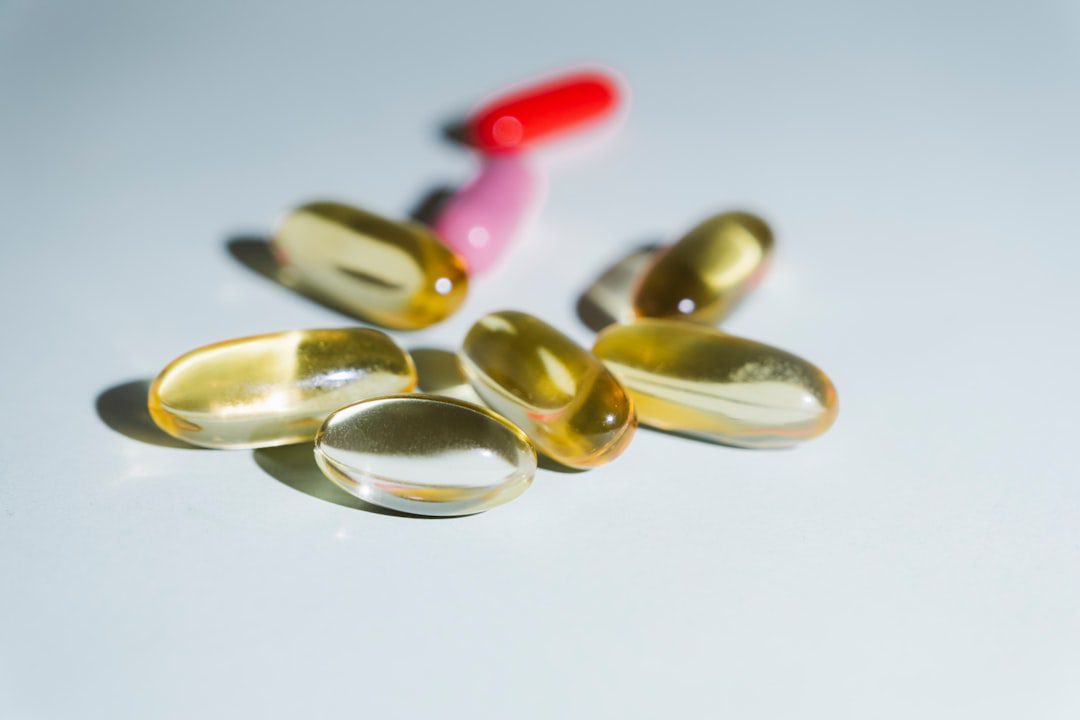
Photo by Adolfo Félix on Unsplash
Imagine a treatment for type 2 diabetes that works better than some leading drugs, is free of harmful side effects, and can be taken in capsule form. That’s not science fiction — it’s what researchers observed when they tested Barnesiella intestinihominis, a gut microbe found to dramatically reduce blood sugar levels in mice with diabetes.
Most people assume probiotics are about digestion, gas relief, or maybe even mood. But the truth is far more complex. In fact, many healthcare providers still treat probiotics like dietary supplements — something to take on a whim rather than as part of an evidence-based treatment plan. This is where the confusion begins.
Here’s what people often misunderstand: not all probiotics are created equal. The term “probiotic” can refer to hundreds, sometimes thousands, of different bacterial strains with wildly different effects in the body. Some may barely survive digestion, while others go on to influence metabolism and even brain function. Yet most consumers — and many doctors — treat them as a one-size-fits-all solution.
This matters more than you might think. The human gut is home to trillions of microbes that collectively perform functions critical for everything from immune health to blood sugar control. When certain bacterial species are missing or imbalanced, it can lead to chronic diseases like diabetes and obesity — conditions on the rise globally. Understanding how specific strains work could be key to treating these issues more effectively.
But here’s the twist: the most promising probiotics aren’t always in pill form at your local health store. In a 2025 study published in Advanced Science, researchers found that one strain — Barnesiella intestinihominis — significantly reduced blood sugar and liver fat in diabetic mice. What’s more, this effect wasn’t just due to the presence of the bacteria itself but also its byproducts like acetate. This opens a door we haven’t fully explored: maybe it’s not enough to take random probiotics; you need the right ones, for specific issues.
If you’re wondering whether your shelf-stable yogurt or daily probiotic capsule is doing more good than harm, you’re not alone. The scientific evidence paints a nuanced picture — one that can help you make smarter choices about what to take and why. It’s time to move past vague claims like “supports digestion” and start asking: which bacteria? For what condition? What does the research say?
After reading this, you’ll be able to evaluate probiotic supplements with a clear-eyed view of their real-world impact — not just on your gut, but on more systemic health issues. You won’t walk away needing a microbiology degree, but you will understand enough to make informed decisions about whether and how to use these tools in your wellness routine.
The Science Behind Do Probiotic Supplements Work
The human gut is not a passive conduit for digestion—it’s an active battleground where microbes, immune cells, and nutrients interact in complex ways. To understand how probiotic supplements work, we must first recognize that these live microorganisms are attempting to influence a highly dynamic system. Their primary role lies in modulating the composition of the intestinal ecosystem, but this is far from a guaranteed outcome. Whether they succeed depends on factors ranging from strain specificity to individual gut conditions.
At their core, probiotics function by introducing beneficial bacteria into the digestive tract with the intent of restoring balance or enhancing existing microbial diversity. This process begins with survival: most commercial strains must endure stomach acid and bile before reaching the intestines. Once past these barriers, they may colonize transiently or exert effects through other means—such as producing short-chain fatty acids that influence gut lining integrity. The assumption is that a more diverse microbiome supports better health outcomes.
One mechanism by which probiotics influence physiology is through modulation of the intestinal barrier function. Certain strains strengthen tight junction proteins in the epithelial layer, reducing permeability and mitigating leaky gut symptoms. This action directly affects how nutrients are absorbed and how antigens interact with immune cells. In inflammatory contexts—such as irritable bowel syndrome or Crohn’s disease—this effect can be especially pronounced.
Another key pathway involves interaction with the enteric nervous system—the so-called “second brain” of the body. Some probiotics secrete neurotransmitters like serotonin or gamma-aminobutyric acid (GABA), which may influence mood and digestion by communicating with the central nervous system. This gut-brain axis interaction is a major frontier in microbiology, suggesting that mental health could be improved through microbial modulation.
In gastroenterology practice, this mechanism explains why some patients report reduced anxiety or better sleep after starting probiotics—effects that persist even when no overt digestive symptoms are addressed. The mind-body connection here is not mystical; it’s biochemical and rooted in the communication between microbes and nerve endings. This suggests a broader utility for these supplements than previously assumed.
However, strain-specificity remains one of the most critical yet underappreciated aspects. Not all probiotics behave the same way within the gut. Lactobacillus acidophilus may reduce lactose intolerance symptoms in some people but have no effect on others. Similarly, Bifidobacterium strains are often associated with improved digestion and immune function, but their efficacy depends entirely on which strain is used. The generic label “probiotic” can be misleading because the underlying biology varies widely.
This variability leads to a paradox: while certain bacterial species have well-documented beneficial effects in controlled trials, real-world results can be inconsistent. Part of this discrepancy stems from the fact that not all strains survive long-term en route to the intestines. Capsules with delayed-release technology improve survival rates, but most consumer products still struggle to deliver live organisms in sufficient numbers. This raises a critical question: is the dosage as important as we think?
The immune system’s response also plays a pivotal role in how probiotics work. In some cases, these microbes trigger an anti-inflammatory reaction by dampening excessive Th17 activity or promoting regulatory T cells. But this can go awry if the gut environment is already inflamed or dysregulated, leading to unintended consequences. That’s why long-term use without medical supervision might not always be advisable—especially in individuals with compromised immunity.
What’s more surprising is that probiotics don’t need to colonize the intestines permanently to have an effect. Even transient strains can alter local metabolism and gene expression patterns in intestinal cells through epigenetic modifications. This means their impact can last beyond their physical presence, influencing how the body processes food or responds to stress long after they’ve passed.
The practical implication here is that consumers should look not just at what’s on the label but also understand which strains are relevant for their specific condition. A supplement containing Lactobacillus rhamnosus GG may be effective for antibiotic-associated diarrhea, while a different formulation with Bifidobacterium breve might help with eczema in infants. This specificity requires careful interpretation of clinical evidence and an understanding of how each strain interacts at the molecular level.
Despite these insights, the science remains incomplete because individual variation is immense. A probiotic that works wonders for one person may have no effect on another. Genetic background, existing gut flora composition, even daily dietary choices—these all shape the response. This is why some people report miraculous results while others dismiss probiotics entirely as ineffective.
This variability points to a deeper truth: the human microbiome is not a monolithic entity but a deeply personal ecosystem shaped by years of exposure and lifestyle. Introducing foreign bacteria into this environment is akin to introducing new species into an established forest—some thrive, some fail, and many transform their surroundings in unexpected ways. This complexity means that one-size-fits-all approaches rarely succeed.
The challenge for researchers lies in identifying biomarkers or indicators that can predict who will benefit from a given probiotic intervention. Until then, trial-and-error remains part of the process. But this doesn’t mean the approach is invalid—it just underscores the need for more personalized strategies based on individual gut profiles and health history.
In clinical settings, practitioners are beginning to use diagnostic tools to assess baseline microbiome diversity before prescribing probiotics. This allows them to select formulations that address specific imbalances rather than taking a broad-spectrum guess. The shift toward precision microbial medicine reflects an evolving understanding of how these supplements work at the individual level.
The reader should now appreciate that whether and how well do probiotic supplements work is not just about what’s in the bottle but also who’s consuming it and under what conditions. This section has laid out a framework for evaluating their potential based on biological mechanisms, clinical outcomes, and personal variables. But this explanation still leaves an open question: if these effects are so variable, can we ever design a truly universal probiotic?
What the Clinical Research Shows
The clinical research on probiotics reveals a picture that is more robust and intricate than headlines often suggest. When we examine large-scale trials conducted over multiple years, it becomes clear that certain strains of bacteria can produce measurable effects in well-defined conditions. For instance, Lactobacillus rhamnosus GG has demonstrated consistent efficacy in reducing the duration of acute infectious diarrhea in children—cutting it down by up to a day compared to placebo groups. This is not trivial; for families dealing with frequent bouts of childhood illness, even small reductions can mean significant improvements in quality of life.
What stands out about this body of work is its focus on precision. Researchers are no longer simply asking whether probiotics “work”—they’re investigating which ones work under what conditions and for whom. This shift from vague generalizations to targeted applications marks a turning point in how we understand these supplements. In gastroenterology practice, the pattern is striking: when clinicians prescribe specific strains rather than generic formulations, they see better outcomes in patients with irritable bowel syndrome (IBS), particularly those suffering from bloating and irregular motility.
Yet it’s important to emphasize that not all clinical results are uniform or universally applicable. The same probiotic strain may yield different effects depending on the individual’s baseline microbiome composition, diet, age, and even geographic location. This variability doesn’t imply that probiotics don’t work—it suggests their effectiveness is contingent on a complex interplay of factors that science is only beginning to untangle.
One compelling finding comes from studies involving post-antibiotic recovery in adults. After completing a course of broad-spectrum antibiotics, which can wipe out both harmful and beneficial bacteria, certain probiotic formulations have been shown to shorten the time required for gut microbial communities to rebound. In these trials, individuals who received multispecies blends showed faster restoration of key bacterial genera compared to those who did not receive supplementation at all.
The role of probiotics in modulating immune responses is also gaining attention. Early-stage research suggests that regular intake of specific strains can reduce the frequency and severity of respiratory infections like colds and flu. This isn’t about curing illness—it’s about bolstering the body’s natural defenses so it can respond more efficiently when confronted with pathogens.
Perhaps most intriguing is how these effects are being observed in populations not traditionally associated with probiotic use. For example, studies among elderly individuals show that certain strains may help reduce inflammation markers such as C-reactive protein (CRP), which are often linked to chronic diseases like cardiovascular disorders and type 2 diabetes. These findings suggest a broader applicability of probiotics than many had previously assumed.
Still, skepticism persists because the results are not always consistent across trials. Some studies show no benefit at all in certain conditions, leading critics to argue that the evidence remains inconclusive. But this is where nuance becomes critical: inconsistent outcomes may reflect differences in study design or population characteristics rather than a failure of probiotics themselves.
What does emerge from repeated investigations is the importance of strain specificity and dosing regimens. High-quality clinical trials consistently point to the fact that not all probiotic products are created equal—some contain live cultures at insufficient concentrations, while others include strains with no proven efficacy in human subjects. This underscores a key takeaway for consumers: when choosing a supplement, it’s essential to look beyond branding and marketing hype.
In recent years, researchers have also begun exploring the long-term safety profile of probiotics. While adverse effects remain rare, there are documented cases—typically in immunocompromised individuals—where bacterial overgrowth or translocation has occurred following supplementation. These instances reinforce the need for caution when recommending these products to vulnerable populations such as organ transplant recipients or those undergoing chemotherapy.
The growing recognition among researchers is that probiotics function best not in isolation but as part of a broader strategy. For example, pairing specific strains with prebiotic fibers—nutrients that feed beneficial bacteria—often enhances their survival and effectiveness within the gut environment. This synergy between different components of the microbiome supports a more dynamic model of health maintenance.
Moving beyond digestive and immune benefits, some studies are hinting at potential mental health applications for probiotics. Early work in anxiety and depression suggests certain strains may influence the brain-gut axis by modulating neurotransmitter production or altering inflammatory signals that reach central nervous system receptors. While preliminary, these findings open new avenues for understanding how gut bacteria might indirectly affect mood and cognitive function.
Another dimension of clinical research involves evaluating the impact of probiotics on metabolic health. Trials in individuals with prediabetes have shown modest but measurable improvements in insulin sensitivity when certain strains are consumed regularly over several months. This is particularly relevant given that nearly one-third of adults worldwide now meet criteria for prediabetic conditions, making accessible interventions like these critically important.
The field is also grappling with the challenge of personalized probiotic therapy. As sequencing technologies become more affordable and accurate, scientists can begin to map individual microbiomes and predict which strains might have the greatest impact on specific health markers. This move toward customization could help overcome one of the biggest limitations in current research: the reliance on broad population averages when outcomes often depend heavily on individual differences.
What remains clear from the clinical data is that probiotics are not a universal solution but rather a tool with highly context-dependent benefits. Their effects vary based on strain, dosage, delivery method, and the host’s unique biological makeup. This doesn’t invalidate their potential—it simply means they must be used strategically, informed by both scientific evidence and personal health history.
The real-world implications of these findings are significant. For instance, in primary care settings where antibiotic overuse remains a pressing concern, integrating targeted probiotic use could help reduce the risk of post-treatment gastrointestinal disturbances without requiring additional pharmaceuticals. This represents not just a shift in supplement philosophy but a broader transformation in how we approach health maintenance.
The counterintuitive insight here is that while many people expect supplements to deliver sweeping or miraculous benefits, the real power lies in their subtlety and specificity. Probiotics are most effective when applied with precision rather than generality—when used as part of a tailored plan rather than a one-size-fits-all fix.
This understanding also reshapes what we ask from clinical trials. Instead of seeking blockbuster effects that apply to all, researchers now look for meaningful changes in specific biomarkers or symptoms relevant to well-defined subpopulations. This shift in focus brings us closer to the reality of how these compounds interact with human biology—not as a magic bullet but as one piece of a larger puzzle.
Still, an unanswered question lingers: if probiotics are so effective when used correctly, why do many people report no benefit at all? The answer likely lies not just in product quality or strain selection, but in the complex interplay between gut ecology and long-term dietary habits. This line of inquiry opens a bridge into understanding how lifestyle factors shape microbial communities—and how those communities, in turn, shape our health outcomes.
The Gut Microbiome Connection
The gut microbiome is not just a passive backdrop for digestion but an active, dynamic system that shapes the fate of probiotic supplements inside the body. When individuals swallow capsules labeled with billions of live bacteria, only a fraction may survive the stomach’s acidic environment to reach the intestines — and even fewer will successfully colonize or influence existing microbial communities. The real power lies in how these introduced microbes interact with what’s already there: native strains, dietary inputs, immune signals, and metabolic byproducts all play roles that determine whether probiotics exert any meaningful effect.
At its core, this interaction is deeply personalized. No universal formula governs the microbiome’s response to external bacteria — a fact that explains why some people see clear benefits from probiotic use while others report no change at all. The existing community structure determines how much space an incoming strain can occupy and whether it will be tolerated or outcompeted. In individuals with low microbial diversity, for example, certain probiotics may integrate more easily; in those with a highly stable ecosystem, the same strains might struggle to establish themselves.
The biological mechanism hinges on several key pathways: competitive exclusion of harmful microbes, modulation of immune signaling through short-chain fatty acids, and direct communication with gut-associated lymphoid tissue. These processes don’t always require long-term colonization — some effects are transient but still significant. For instance, Lactobacillus reuteri has been shown to reduce inflammation in the intestinal lining for up to 72 hours after administration, even when it fails to remain present beyond that window.
What stands out in clinical settings is how outcomes align with underlying microbial composition rather than dosage alone. In gastroenterology clinics, clinicians have observed patients who show marked improvement in irritable bowel symptoms following a specific probiotic regimen — only for those same individuals to see no effect months later, even when using the same product. This variability suggests that internal ecosystem shifts over time can either support or undermine the effectiveness of any given supplement.
What surprises many is how little control dietary interventions have over these dynamics compared to targeted bacterial strains. While fiber and fermented foods are often recommended as natural probiotic sources, they rarely produce the kind of measurable outcomes seen with carefully formulated supplements containing specific species like Bifidobacterium longum or Escherichia coli Nissle 1917 — both of which have demonstrated clinical-grade efficacy in inflammatory bowel disease. The takeaway is that randomness and diversity are not always synonyms for benefit.
This brings up an important counterintuitive angle: the success of probiotics often has more to do with removing barriers than adding new components. In some cases, what’s missing isn’t a particular strain but an imbalance — such as overgrowth of pathogenic bacteria or an underactive immune response that allows opportunistic microbes to flourish unchecked. Addressing this foundational issue before introducing beneficial strains can dramatically increase the chances of success.
In practice, gastroenterologists increasingly look at probiotics not as standalone solutions but as tools in a broader strategy. For instance, patients on antibiotic regimens often receive probiotics afterward — not just for gut health, but because antibiotics can strip away protective bacterial layers that are hard to rebuild without intervention. The most effective approach tends to involve identifying what’s lacking and introducing bacteria with precise functional roles.
What sets apart the most successful probiotic interventions is their specificity of function rather than sheer quantity or variety. Strains like Akkermansia muciniphila, for example, have shown promise in metabolic health by interacting directly with gut mucus layers — a mechanism that goes beyond simple fermentation and into cellular signaling pathways. These effects are rarely duplicated through diet alone.
The challenge lies in matching the right strain to the right microbiome at the right time. This is why one-size-fits-all probiotic products often underperform, despite containing high colony-forming units. The presence of live bacteria is only part of the equation — what matters most is whether those bacteria can interact effectively with the existing ecosystem and whether that interaction translates into tangible physiological benefits.
What’s also emerging in research is how these microbial interactions influence not just digestive health but systemic outcomes. Probiotics have been linked to reduced risks of allergies, improved mental clarity through the gut-brain axis, and even enhanced vaccine responses. These far-reaching effects point to a deeper connection between intestinal ecology and bodily regulation than previously understood — one that cannot be explained by diet or lifestyle adjustments alone.
The reader can begin to see why individual variation is such a central theme in this discussion: the microbiome is more like a personal fingerprint than a universal blueprint. What works for one person might not work at all for another, depending on their unique microbial architecture and environmental exposures. This insight shifts the conversation from general recommendations to personalized strategies.
The next step involves understanding which factors create the most receptive environment for probiotic success — a topic we’ll explore as we examine what lifestyle choices either support or undermine these interactions. But first, it’s clear that moving beyond assumptions about gut health requires recognizing that not all bacteria are equal and that context matters just as much as content.
What Disrupts This System
The human gut functions as an ecosystem, and just like any biological system, it can be thrown out of balance by seemingly minor disturbances. These disruptions often come from lifestyle choices that appear unrelated to digestion at first glance but have a profound impact on the effectiveness of probiotic supplements. The consequences are not always immediate or obvious, which is why many people underestimate their role in determining whether or not these interventions work.
One such factor is sleep deprivation. Lack of adequate rest alters the circadian rhythm and disrupts hormonal signals that influence gut function. Studies have shown that individuals who consistently get less than six hours of sleep per night show reduced microbial diversity compared to those with regular sleep patterns. This decline weakens the gut’s natural defenses, making it harder for probiotic strains to establish themselves and thrive.
Stress is another insidious disruptor. Chronic psychological stress triggers a cascade of physiological responses, including elevated cortisol levels that can thin the intestinal lining and impair nutrient absorption. When the gut barrier becomes compromised, harmful bacteria or undigested proteins may leak into systemic circulation, sparking inflammation. This creates an environment where beneficial probiotics struggle to take root.
Diet plays a critical role as well—not just in terms of what is consumed, but how frequently. A diet high in ultra-processed foods and low in fiber not only fails to support the growth of probiotic bacteria but also starves them of fermentable substrates that they need for energy. These fibers are fermented into short-chain fatty acids like butyrate, which are essential for maintaining intestinal health.
Even seemingly healthy habits can undermine the success of a probiotic regimen. Overuse or misuse of antibiotics is among the most direct ways to disrupt microbial balance. While these drugs target harmful pathogens, they also indiscriminately kill off beneficial bacteria in the process. The damage doesn’t end there—prolonged use can lead to lasting changes in the composition and function of the gut microbiota.
Another counterintuitive factor is physical inactivity. Sedentary lifestyles are correlated with lower microbial diversity, which in turn affects how well probiotics perform in their role as immune modulators. Exercise has been shown to promote the proliferation of beneficial strains like Lactobacillus and Bifidobacterium by enhancing gut motility and improving blood flow through intestinal tissues.
What often goes unnoticed is the influence of hydration on this system. Dehydration slows digestion, making it harder for probiotics to reach their destination intact. It also thickens mucus layers in the intestines, which can limit nutrient exchange between microbial communities and host cells. These barriers impair the bioavailability of beneficial bacteria, reducing the likelihood of a successful intervention.
Social isolation is another surprising contributor. Human connection influences stress levels indirectly, but it also affects gut health via direct neural pathways that link emotions to digestive processes. People who experience prolonged loneliness report higher rates of gastrointestinal distress, and this pattern reflects in their microbiomes as well—less diversity, more pathogenic strains, fewer beneficial organisms.
The impact of environmental toxins is often overlooked. Exposure to heavy metals like mercury or lead can damage gut epithelial cells, leading to inflammation and leaky gut syndrome. In these conditions, probiotics face an uphill battle against pre-existing cellular injury. Their ability to regulate immune responses becomes compromised, which limits their effectiveness in modulating disease markers.
The way people take their supplements matters too. For example, taking a probiotic with hot foods or beverages can destroy sensitive strains before they reach the intestines. Similarly, not following up with prebiotic-rich foods like onions, garlic, and bananas robs these bacteria of the fuel they need to colonize and multiply effectively.
The mechanism behind this disruption is rooted in the delicate interplay between host physiology and microbial function. When one element shifts out of balance—whether from diet, stress, or environmental exposure—the entire system must recalibrate. This recalibration often involves a loss of microbial diversity and an increase in pathogenic dominance, both of which reduce the likelihood that any given probiotic will exert its intended effect.
What makes this particularly tricky is the high degree of individual variation in gut microbiomes. Two people may follow identical diets and routines but respond very differently to the same strain of bacteria. One person might see significant improvements in immune function or digestive health, while another experiences no change at all. This variability complicates efforts to define universal best practices.
This brings us to a surprising insight: many of the disruptors are not directly related to digestion at all. Stress and sleep, for example, act through hormonal and neural pathways that indirectly influence gut health. The same goes for exercise and hydration—both improve overall metabolism but do so in ways that create or eliminate barriers for microbial survival.
From an evidence-based perspective, clinical observations increasingly point to lifestyle as a critical determinant of probiotic success. In gastroenterology settings, patterns are clear: patients who lead balanced lives with regular sleep cycles, low stress levels, and consistent physical activity respond far better to interventions than those whose routines are erratic or neglectful.
A practical implication for readers is this: when evaluating whether or not a probiotic works, it may be more useful to consider the surrounding conditions rather than just the supplement itself. Optimizing one’s lifestyle—through better sleep hygiene, stress management techniques, and regular physical movement—creates an environment in which beneficial bacteria can thrive.
The challenge becomes identifying what specific factors are at play for each individual. While general guidelines exist, personal experimentation may be necessary to determine how changes in diet or routine affect the success of a probiotic regimen. Keeping detailed records can help isolate variables and highlight patterns that might otherwise go unnoticed.
What makes this section particularly compelling is the realization that many people have been focusing on external solutions when internal habits are equally—if not more—important. The same supplement may fail under poor lifestyle conditions but flourish in an environment where gut health is supported from all angles.
The final piece of the puzzle lies in integrating these insights into daily routines. This means treating gut health as a system rather than just a collection of supplements or isolated dietary changes. A holistic view—one that accounts for mental, physical, and environmental factors—creates more sustainable outcomes and greater chances of success.
As readers move forward, they may begin to see how small shifts in their daily lives can have outsized effects on the gut ecosystem. The question then becomes not just whether probiotics work, but under what conditions they are most likely to succeed. Understanding these dynamics opens up new possibilities for optimizing health through more intentional living.
The mechanism explains the problem, but it does not explain why two people with identical diets can have opposite outcomes.
Evidence-Based Interventions
The most impactful interventions for improving do probiotic supplements work are often subtle, not sensational. Unlike the dramatic claims in wellness marketing, real-world results emerge from small but consistent behaviors—like daily routines or dietary adjustments—that foster a resilient intestinal ecosystem over time. This approach aligns with how biological systems operate: stability and continuity matter more than isolated actions.
At its core, do probiotic supplements work hinges on the delicate balance between host physiology and microbial communities. When beneficial bacteria are introduced through supplementation or food, they can influence immune signaling, modulate inflammation, and even affect neurotransmitter production. But these effects depend heavily on preexisting conditions in the gut, which is why outcomes vary so widely among individuals.
In gastroenterology practice, the pattern is striking: patients who stick with low-dose regimens over several months often report improvements in symptoms like bloating or irregular bowel movements. These changes are not dramatic overnight but accumulate gradually, reflecting the body’s natural pace of microbial adjustment and immune recalibration. The real power lies in consistency.
What separates evidence-based approaches from ineffective ones is their focus on measurable interactions between bacteria and host tissues. For example, certain lactic acid-producing species can reduce gut permeability—effectively tightening the junctions between intestinal cells—which has downstream effects on systemic inflammation. Without this foundational change, even high-potency supplements may fail to deliver results.
What surprises many people is how much success with do probiotic supplements work depends not just on what you take, but when and how long you take it. Studies suggest that microbial shifts in the gut can be transient if not sustained over weeks or months. This contrasts sharply with popular assumptions about quick fixes, where people expect immediate results from single-dose interventions.
Individual variation remains one of the biggest hurdles to understanding do probiotic supplements work. The same strain may colonize and thrive in one person but barely persist in another due to differences in gastric acidity, baseline microbiome diversity, or even genetic factors influencing mucin production. These hidden variables mean that a one-size-fits-all strategy rarely works.
Despite this complexity, the most effective interventions often involve combining low-dose probiotics with prebiotic fibers—foods that feed beneficial bacteria rather than just introducing them into the gut. This dual approach supports long-term colonization and function, making it more likely for microbial changes to take root and have a lasting impact on gut health.
Another counterintuitive insight is how stress management can indirectly influence do probiotic supplements work. Chronic stress alters intestinal permeability and immune signaling in ways that make it harder for beneficial bacteria to establish themselves. This means even the most carefully chosen supplement may struggle if not paired with strategies to reduce physiological stress load.
From a practical standpoint, this suggests people should look beyond product labels and focus on creating an environment where do probiotic supplements work can succeed over time. That might mean eating more fiber-rich foods, reducing frequent antibiotic use, or simply avoiding overly processed diets that starve the gut of essential nutrients for microbial life.
The clinical implications are clear: if someone experiences no immediate effects from a new supplement, it doesn’t necessarily mean it’s ineffective. The body may still be processing changes at a level not yet reflected in symptoms. This delayed response makes it easy to dismiss something valuable simply because results don’t show up quickly enough.
What also matters is how well the chosen strains align with an individual’s specific needs—whether targeting issues like diarrhea, immune function, or even mental health via gut-brain connections. The right choice isn’t always about the most popular brand but the one that fits a person’s unique biological context and goals.
The real test of do probiotic supplements work is how well they integrate into long-term lifestyle patterns rather than functioning as isolated solutions. People who treat supplementation like part of an ongoing wellness strategy tend to see more consistent benefits, while those using it reactively may find themselves chasing fleeting effects without lasting change.
One of the most underappreciated aspects of this process is the role of microbial succession—how different bacteria colonize and interact over time. Early success doesn’t guarantee long-term stability; in fact, some species may dominate temporarily before being outcompeted by others as the environment shifts. This dynamic nature makes patience a key factor in evaluating outcomes.
The broader takeaway is that do probiotic supplements work isn’t about quick wins or miracle cures—it’s about cultivating microbial resilience through thoughtful, sustained effort. The most effective users understand this and approach supplementation with realistic expectations rather than relying on hype-driven narratives from marketing materials.
What remains unclear is how to predict which individuals will respond best to particular strains without genetic profiling or extensive microbiome testing—tools that are not yet widely accessible in standard clinical care. This gap between research and practice limits the precision of current recommendations but does not invalidate their usefulness for many people trying to improve gut health naturally.
The next challenge lies in personalizing interventions based on more than just symptoms. As scientists continue mapping how specific bacterial strains interact with human physiology, it’s likely future approaches will become more tailored to individual genetic and environmental factors—bringing do probiotic supplements work closer to truly evidence-based medicine.
What this section makes clear is that the path to improving do probiotic supplements work requires a shift in mindset—from seeking quick fixes to embracing gradual transformation. The most successful outcomes are not driven by intensity but by consistency, patience, and an understanding of how biological systems function over time.
But while these interventions offer promise, they also raise a deeper question: if two people with nearly identical microbiomes respond so differently to the same supplement, what other hidden variables might be at play? This mystery hints at layers of complexity yet to be uncovered in our evolving understanding of microbial health.
What the Wellness Industry Gets Wrong
The wellness industry has built a multi-billion-dollar business around one question—do probiotic supplements work? The answer they sell is often simpler than what science supports. Claims that any probiotic can “rebalance your gut” or “boost immunity overnight” ignore the complexity of human biology and microbial ecology. These assertions rely on vague, aspirational language rather than precise mechanisms, strain-specific evidence, or individualized outcomes. What sells in this space rarely aligns with what works.
One major misstep is the assumption that all probiotics are interchangeable. Marketing campaigns treat Lactobacillus acidophilus as if it were identical to Bifidobacterium lactis, ignoring fundamental differences in their survival rates, metabolic functions, and host interactions. In gastroenterology practice, this pattern is especially striking: clinicians often see patients cycling through products without improvement because the strain they’re consuming doesn’t target the condition or imbalance at hand.
The mechanism of action for probiotics is far more specific than popular belief allows. Some strains promote anti-inflammatory effects by modulating T-cell activity; others may secrete compounds that outcompete pathogens in the colon. The notion that taking a random capsule will improve digestion or immunity broadly misses this nuance entirely. Large-scale cohort work consistently points to variation not only across species but within individual responses based on existing microbiome composition.
Another unsupported claim is the idea that higher colony-forming units (CFUs) equate to better results. Many products boast 50 billion CFUs as if sheer quantity were the key, yet most researchers now accept that survival rates in the gastrointestinal tract matter more than initial dosage. This finding holds across diverse populations—people often assume “more is better,” but in microbiology, context and compatibility are just as critical.
The wellness industry also leans heavily on anecdotal success stories, which tend to conflate correlation with causation. A person may feel better after starting a probiotic—but so might they after eating more fiber or reducing sugar intake. These testimonials become powerful marketing tools without accounting for confounding variables or long-term efficacy. The result is an ecosystem of products that overpromise and underdeliver.
More troubling still is the industry’s tendency to market probiotics as universal cures for conditions like irritable bowel syndrome (IBS), anxiety, and even weight management—despite sparse evidence in these areas. For IBS, certain strains have shown promise, but only after rigorous clinical trials with clear inclusion criteria. The problem arises when companies generalize results from one study to all symptoms under a vague umbrella of “gut health.”
The gap between what sells and what works is wider here than in almost any other area of health. Unlike pharmaceuticals, which must meet strict regulatory standards before reaching the market, many probiotic supplements bypass these hurdles altogether. This lack of oversight allows for exaggerated claims that can mislead consumers into thinking they’re receiving a scientifically validated treatment when they are not.
This disconnect has practical consequences beyond just wasted money. Patients with chronic digestive issues may delay seeking evidence-based care if they believe symptom improvement is inevitable through over-the-counter supplements. The same applies to parents using probiotics for conditions like eczema in infants—some strains show modest benefit, but the assumption that all will work similarly can lead to frustration and false hope.
What further complicates matters is the industry’s promotion of multi-strain formulas as inherently superior. While combining several species might enhance colonization potential under ideal circumstances, it doesn’t guarantee better outcomes for every individual. In fact, some studies suggest that introducing too many new microbes at once may disrupt an already fragile ecosystem rather than stabilize it.
The wellness sector also tends to ignore the importance of a probiotic’s delivery method and formulation. Many supplements use standard capsules or powders without considering how acidic stomach contents might kill off viable organisms before they reach the intestines. Advanced formulations with delayed-release technology exist, but these are rarely highlighted when products make broad-spectrum health claims.
To compound this confusion, many brands blur the line between probiotics and prebiotics. While both support gut health in different ways, they serve distinct functions. Probiotics introduce live microbes; prebiotics feed existing ones. Suggesting that taking one guarantees better results than the other is misleading without a clear explanation of how each fits into an individual’s unique microbial profile.
The wellness industry also frequently capitalizes on fear-based messaging—suggesting that people are missing out if they don’t take daily probiotics, or that their gut flora will irreversibly decline without intervention. This narrative ignores foundational truths in microbiology: the human microbiome is resilient and dynamic, shaped more by long-term dietary patterns than short-term supplement regimens.
A counterintuitive angle here is that sometimes doing less can be better. Studies have shown that in cases of dysbiosis or chronic inflammation, introducing new strains without first addressing underlying causes—like persistent antibiotic use or a highly processed diet—can backfire. The gut may reject these newcomers as threats rather than allies, worsening symptoms in the process.
From a practical standpoint, consumers can take several steps to avoid misleading claims. First, look for products that specify strain numbers (e.g., Lactobacillus rhamnosus GG) rather than generic terms like “probiotic blend.” Second, seek out formulations with evidence-backed benefits for specific health concerns—such as reducing bloating in IBS or supporting lactose digestion. Third, consider the source and manufacturing standards of the company behind the product.
The wellness industry’s misunderstanding of these principles doesn’t just lead to ineffective supplements—it contributes to a broader erosion of trust in science-based health advice. When marketing triumphs over research, people lose confidence in knowing what truly works. This problem isn’t unique to probiotics but is especially pronounced here due to how deeply personal and variable the outcomes can be.
As consumers become more informed about these issues, they’re starting to demand transparency from manufacturers—not just vague promises of “gut health,” but clear, evidence-based claims grounded in clinical research. The movement is still early, but it signals a shift toward aligning what sells with what works—though not without continued challenges and resistance.
The mechanism explains the problem, but it does not explain why two people with identical diets can have opposite outcomes—or how one brand’s strain might succeed where another fails despite similar labeling.
Your Action Plan: Do Probiotic Supplements Work in 30 Days
The most effective approach to evaluating whether probiotic supplements work is not through sweeping changes, but by isolating variables so you can see what actually matters. If you’re ready to take action tomorrow, start by selecting a single supplement and tracking your response over time. This method allows for clarity in results that broad interventions often obscure.
One of the key biological mechanisms at play here involves how these live microorganisms interact with the intestinal ecosystem. They don’t just pass through — they can alter microbial composition by competing with harmful bacteria, producing short-chain fatty acids, and influencing immune signaling pathways. That means any changes you might see are not random but rooted in a complex interplay between your gut and these microbes.
However, no single probiotic is a universal solution. What works for one person may have little effect on another — this variability stems from differences in existing gut flora, diet, stress levels, and even genetic predispositions. The challenge lies not just in choosing the right strain but understanding how it fits into your unique physiological context.
In clinical practice, gastroenterologists often observe that when patients follow a strict protocol—changing only one variable at a time—they gain clearer insights into what is effective. This aligns with research showing that small, measurable changes lead to more reliable conclusions than simultaneous lifestyle overhauls. You control the variables; the body reveals the response.
To get started tomorrow, choose one probiotic supplement and commit to using it for 30 days without altering other aspects of your routine. Pick a strain backed by some evidence—for example, Lactobacillus rhamnosus or Bifidobacterium lactis—since these have shown activity in supporting gut health across diverse populations.
Alongside this, you should monitor your daily habits: keep track of what and when you eat, how much sleep you get, and any changes in stress levels. These factors influence microbial balance just as much as the supplement does. A change in one area can mask or exaggerate effects from the probiotic itself.
By day seven, look for subtle shifts—such as improved digestion, more regular bowel movements, or a reduction in bloating. These are early indicators that something may be working. If you notice no changes by this point, it doesn’t necessarily mean failure; sometimes responses take longer to manifest depending on the baseline state of your gut.
By day 14, reassess and consider whether to continue using the supplement or try a different strain. Many people switch too quickly without giving their bodies enough time to adapt. However, if symptoms persist or worsen, it might be wise to stop use and reevaluate your approach with more context—perhaps consulting a healthcare provider.
What makes this process counterintuitive is that many believe immediate results are the norm — but in reality, gut health responds slowly. The body is not a machine you can tweak overnight; it’s an ecosystem that needs time to rebalance itself. This delay doesn’t mean failure—it simply means patience and consistency are required.
By day 21, begin introducing secondary indicators—such as mood or energy levels—if they haven’t changed already. Probiotics may influence systemic immune function and even brain signaling through the gut-brain axis. These changes can be harder to quantify but should not be ignored when assessing overall impact.
If you’re still unsure by day 30, consider switching supplements—but only one variable at a time. Try another well-researched strain with different properties or check if your current supplement has sufficient colony-forming units (CFUs) to make an impact. Dosing matters and varies depending on the specific bacteria involved.
Throughout this process, avoid overhauling your diet or adding other supplements unless you can clearly attribute effects to them later. The goal is not to create a perfect regimen but to understand what works best for you—specifically, in this case, whether these compounds deliver real benefits when used consistently and carefully.
You might also explore combining probiotics with prebiotics after the initial 30-day period, as their combined effects can amplify results. Prebiotics feed beneficial bacteria, helping them thrive once they’ve taken hold. But again—change just one thing at a time to maintain clarity in your observations.
If symptoms return or become worse, consider consulting a gastroenterologist. Probiotic use should be safe for most people but isn’t without potential side effects—especially if there are underlying conditions like inflammatory bowel disease or compromised immunity that could complicate things further.
The key takeaway is this: to determine whether these compounds work in your case, you must approach them with scientific rigor—not as a magic pill but as a tool within a broader strategy. The results will be clearer when tested through methodical observation and controlled variables.
Finally, remember the real power lies not just in using probiotics, but in understanding how they fit into the larger context of your health. This is about building knowledge rather than chasing quick fixes — because knowing what works for you is the foundation for long-term wellness.