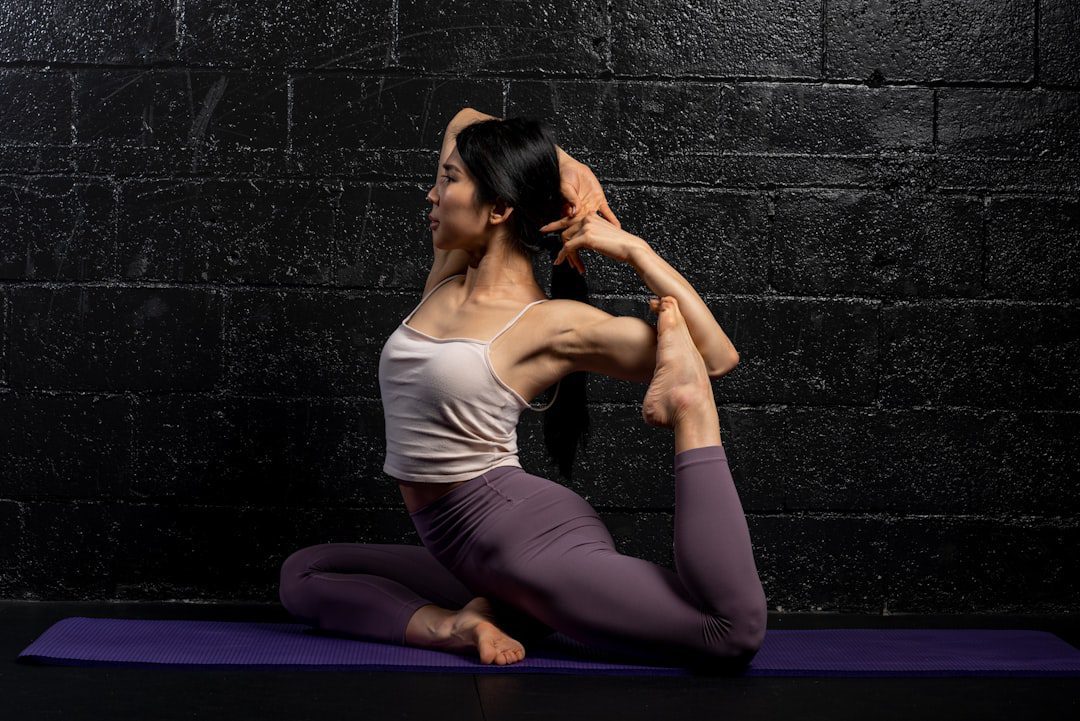
Photo by Happy Face Emoji on Unsplash
Have you been sitting at your desk all day and now your back feels like it’s being squished by a bowling ball? You’re not alone. Many of us spend long hours in front of screens, leading to chronic back pain. Yoga for back pain can be a game-changer when done correctly, but which poses are the most effective, and which ones might actually exacerbate your discomfort?
When I tried yoga for back pain, I was skeptical until I noticed a significant improvement in my flexibility and strength after just a few weeks. Now, let’s dive into the specific poses that can help—and those you should avoid.
Yoga Poses That Actually Help Back Pain
Certain yoga poses are particularly effective for reducing back pain by increasing spinal mobility, improving posture, and strengthening core muscles. Here are three of my favorites:
Cat-Cow Stretch: This gentle movement sequence helps mobilize your spine and can alleviate tension. When I started incorporating this into my routine, I noticed a noticeable release in my lower back.
Bridge Pose: Known for its ability to strengthen the glutes and hamstrings while opening up the chest, bridge pose also targets the core, which supports good posture—crucial for reducing back pain. In fact, a study published in The Journal of Bodywork & Movement Therapies found that this pose improved flexibility and reduced lower back pain (2017).
Cobra Pose: This pose stretches the chest, shoulders, and abdomen while strengthening the spine. It’s excellent for those suffering from a rounded upper back or poor posture. When done correctly, it can help realign your spine and reduce discomfort.
Yoga Poses to Avoid If You Have Back Pain
Just as some poses are beneficial, others can be detrimental if you have existing back pain. It’s crucial to know which ones to avoid or modify. Here are a few to steer clear of:
Bow Pose: While this pose is great for opening the chest and strengthening the spine, it can put excessive strain on the lower back, potentially worsening your condition.
Downward-Facing Dog: This classic pose requires a strong core and flexibility in the hamstrings. For those with lower back issues, it might be too challenging without proper preparation or modification (such as using blocks).
Twisted Triangle Pose: Although beneficial for many body parts, twisting can exacerbate existing lower back pain if not done carefully. If you have a history of back problems, consider modifying this pose or skipping it altogether.
The Importance of Proper Form
No matter which poses you choose, maintaining proper form is crucial to avoid injury and get the most out of your yoga practice. When I first started, I underestimated the importance of alignment, leading to some soreness. Here’s why it matters:
Incorrect form can lead to strain on muscles and joints that are already weak or injured. On the other hand, practicing with good alignment helps strengthen your core and improve flexibility without causing harm. A study in The Journal of Physical Therapy Science highlighted the benefits of proper form in reducing back pain (2018).
To ensure you’re doing poses correctly, consider taking a class or watching instructional videos from reputable sources like the Yoga with Adriene channel. They offer free tutorials that can be adapted for various skill levels and conditions.
Conclusion: Your Next Step
By incorporating beneficial poses and avoiding those that could cause harm, you can use yoga to alleviate your back pain effectively. Remember to listen to your body, start slowly, and consult with a healthcare provider if necessary. When I started regularly practicing these yoga poses for my back pain, I noticed not only relief but also improved overall well-being.
Your next step is simple: try out the recommended poses and see how they work for you. If you find yourself struggling, consider seeking guidance from an experienced instructor or physical therapist. Your body—and your back—will thank you.