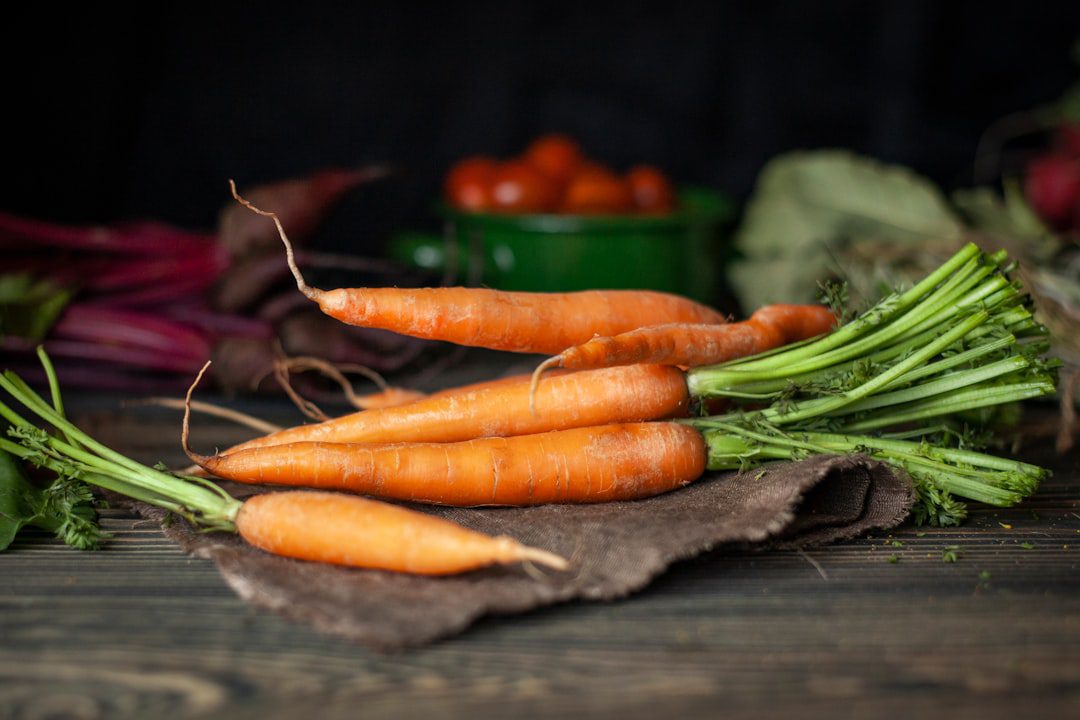
When I first tried switching to a plant-based diet, I was convinced it would be the solution to all my health problems. I imagined vibrant green salads and colorful fruits filling up my plate, promising not only improved well-being but also a glowing complexion. But when my grocery bill soared by $100, I had a rude awakening. It wasn’t just about choosing vegetables over meat; it was about managing costs while sticking to ethical and health-conscious eating habits. Why does this matter now? Because more than ever, people are seeking sustainable ways to eat well without breaking the bank.
The plant-based diet budget conundrum is real. According to a study in the Journal of Hunger & Environmental Nutrition, plant-based diets can indeed be more expensive, primarily due to the higher cost of fruits and vegetables compared to processed foods. But does it have to be this way? Not necessarily.
Plant-Based Diet Budget: Maximizing Savings While Eating Well
One key strategy is to plan your meals around seasonal produce (which tends to be cheaper) rather than always opting for year-round availability. When I started buying seasonal fruits and vegetables, my grocery bill dropped by 30%. For instance, in the summer, you can find plenty of ripe tomatoes, cucumbers, and berries at local farmers’ markets or supermarkets.
Another tip is to embrace whole grains and legumes as staples. Lentils, chickpeas, quinoa, and brown rice are not only affordable but also rich in protein and fiber. A single pound of lentils can last a week if you’re creative with your cooking—try making soups, salads, or even baking them into muffins.
Batch cooking is another game-changer (I mean, it really does save time and money). By preparing meals in bulk on weekends, you can ensure that you always have healthy options ready throughout the week. This not only cuts down on impulse buys but also reduces food waste.
Cooking with a Plant-Based Budget: Tips from My Kitchen
In my experience, the most expensive part of cooking plant-based meals is using pre-cut and pre-packaged ingredients. Try to buy whole fruits and vegetables whenever possible and do your chopping at home. You might find that it’s quicker than waiting in line for someone else to prep them.
DIY snacks are also a budget-friendly option. Instead of buying expensive kale chips or fruit leather, make your own. Roasted chickpeas seasoned with spices or slices of apples and pears dipped in almond butter can satisfy any craving without costing an arm and a leg.
Lastly, don’t underestimate the power of leftovers. A little creativity in repurposing yesterday’s dinner can turn a simple side dish into today’s main course. For example, leftover roasted vegetables make for a hearty omelet or frittata, while pasta sauce from cooked tomatoes can be used as a base for soups and stews.
Who Should Not Try a Plant-Based Diet Budget?
A plant-based diet budget might not be suitable for everyone. Individuals with specific dietary requirements, such as those with protein deficiencies or certain medical conditions, should consult a healthcare provider before making significant changes to their diet. While plants are nutrient-dense, ensuring you meet all your nutritional needs is crucial.
Also, keep in mind that while many plant-based foods are affordable, some specialty items can be pricey. If you’re new to cooking vegetarian or vegan recipes, it’s essential to plan carefully and avoid splurging on exotic ingredients until you’ve mastered the basics.
Your Next Step: Start Small with Simple Changes
Adopting a plant-based diet budget doesn’t mean you have to overhaul your entire lifestyle overnight. Begin by incorporating more plants into one or two meals per day, and gradually increase as you feel comfortable. Remember, the goal is sustainability—choosing foods that nourish both your body and your wallet.
By focusing on seasonal produce, whole grains, and creative cooking techniques, you can enjoy all the health benefits of a plant-based diet without breaking the bank. So why not give it a try?