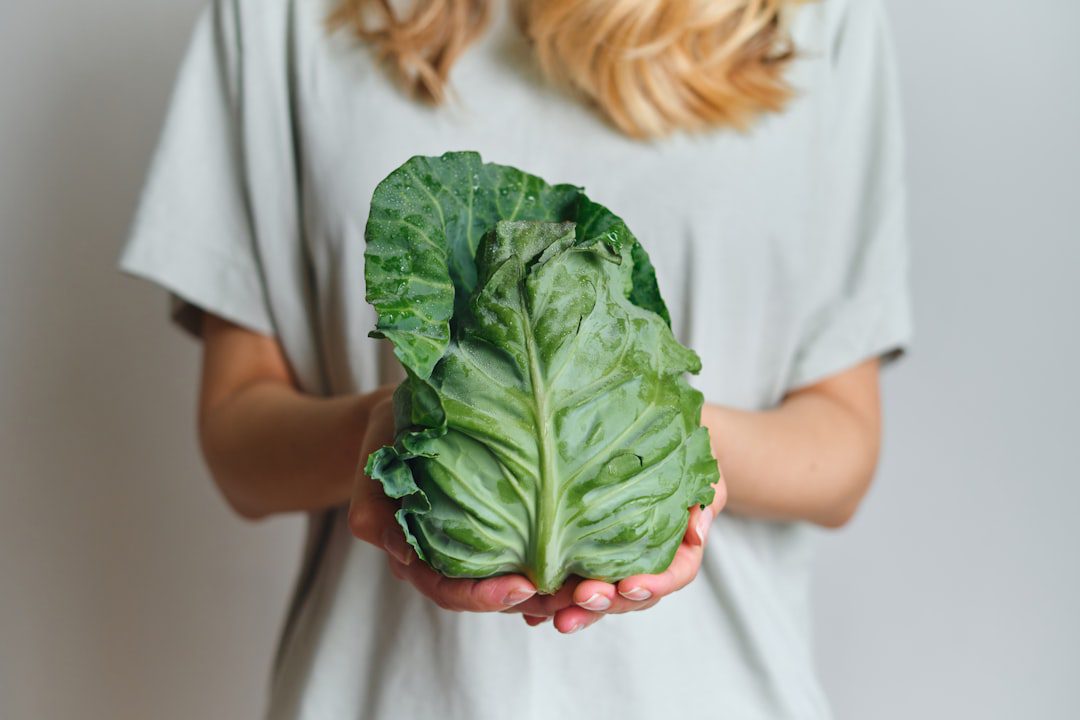
Photo by Iuliia Pilipeichenko on Unsplash
Did you know that the average American spends nearly $6,000 annually on groceries? That’s a hefty sum, especially when many of us are looking for ways to eat healthier without breaking the bank. Enter the plant-based diet budget: a practical approach to nourishing your body while keeping costs in check.
Plant-based diets have gained popularity not only for their health benefits but also for their environmental impact. However, concerns about affordability often deter people from making the switch. In this guide, I’ll share my personal experiences and expert insights on how to eat plant-based without going broke.
The Basics of a Plant-Based Diet Budget
A plant-based diet focuses on vegetables, fruits, whole grains, legumes, nuts, and seeds while minimizing or eliminating animal products. Contrary to popular belief, this lifestyle doesn’t have to be expensive. In fact, studies show that vegetarian diets can cost 15% less than non-vegetarian diets (Harvard Health).
When I first transitioned to a plant-based diet, I was skeptical about its affordability. After all, superfoods and organic produce often come with premium prices. However, by planning ahead and shopping wisely, I managed to save money on groceries without compromising on nutrition.
Strategies for Eating Plant-Based on a Budget
Buy in Bulk: One of the most effective ways to reduce costs is to purchase staple ingredients in bulk. Legumes, grains, and nuts are great candidates for this strategy. For example, buying dried beans instead of canned ones can save you up to 50% (Mayo Clinic).
Shop Seasonally: Seasonal produce is usually cheaper and fresher than out-of-season options. By aligning your meals with what’s in season, you can enjoy a variety of nutrients without breaking the bank. Think about it: a pound of summer tomatoes might cost $2, while off-season, it could easily reach $5.
Grow Your Own: Even if you have limited space, growing your own herbs and vegetables can significantly reduce grocery bills. Container gardening is an excellent option for small spaces or urban environments. Tomatoes, lettuce, and basil are particularly easy to cultivate indoors.
Budget-Friendly Plant-Based Recipes
Chickpea Curry: This dish is packed with protein and flavor while being incredibly budget-friendly. A can of chickpeas typically costs around $1.50, and you can easily stretch this meal by adding vegetables like carrots and bell peppers.
Veggie Stir-Fry: Another versatile option, stir-fry allows you to use whatever vegetables you have on hand. Combine them with tofu or tempeh for a protein boost. A pound of tofu costs about $2, providing ample servings for multiple meals.
Lentil Soup: This hearty soup is not only comforting but also incredibly economical. Lentils cost approximately $1 per pound and can be stored for long periods. Serve it with whole-grain bread or crackers for a complete meal.
Common Misconceptions About Plant-Based Diets
Misconception 1: “Plant-based diets are nutritionally incomplete.” This is false. A well-planned plant-based diet can provide all the necessary nutrients. The key is to include a variety of foods and consider supplements like B12 if needed.
Misconception 2: “Plant-based diets lack protein.” While it’s true that animal products are high in protein, there are plenty of plant-based sources such as lentils, chickpeas, tofu, and quinoa. These foods offer ample amounts to meet your daily requirements.
Who Should Consider a Plant-Based Diet? Almost anyone can benefit from incorporating more plants into their diet. However, individuals with specific dietary needs (such as pregnant women or those with certain medical conditions) should consult with a healthcare provider before making significant changes.
Your Next Step: Start Small
Making the switch to a plant-based diet doesn’t have to be all-or-nothing. Begin by adding more vegetables and whole grains to your existing meals. Gradually increase the proportion of plants until you reach your desired level of commitment. Remember, even small changes can lead to big improvements in both health and wallet.
For further reading on plant-based nutrition and meal planning, check out Eating Plant-Based on a Budget: Can You Afford to Go Green?. Happy cooking!