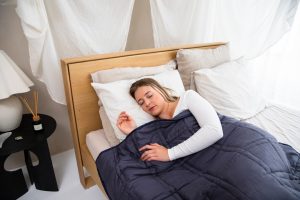
Photo by Vitaly Gariev on Unsplash
You know that feeling when you’re tossing and turning, staring at the ceiling, hoping sleep will just come knocking any minute now? Well, here’s a shocker: nearly 50% of adults report having trouble sleeping (National Sleep Foundation). That’s a lot of people counting sheep, especially in our hyper-connected world. But fear not, because tonight I’m gonna spill the beans on some legit natural sleep remedies that might just get you over your insomnia hump.
In my experience, sleep issues aren’t just about what’s going on in your head—they’re a mix of everything from stress to light exposure. So let’s dive into some practical solutions that don’t involve prescription meds or sketchy supplements.
The Power of Melatonin: Nature’s Sleep Hormone
Melatonin is like the body’s night shift manager, signaling when it’s time to wind down. But in our 24/7 world, artificial light can throw off this delicate balance (Harvard Health). A small study found that taking melatonin supplements helped people fall asleep 14 minutes faster and stay asleep longer (Journal of Pineal Research).
But here’s the catch: melatonin isn’t a magic bullet. It works best for occasional sleep issues or when you’re crossing time zones. For chronic insomnia, it might not be enough on its own. Plus, some people report side effects like dizziness and headaches.
Digital Detox: How Disconnecting Can Help You Sleep
Remember that blue light from your phone? It’s like a sleep saboteur, suppressing melatonin production and making it harder to fall asleep (National Sleep Foundation). When I tried cutting off screen time an hour before bed, the difference was night and day. I actually felt tired—gasp!
But here’s the kicker: not everyone needs to go full digital monk. Some people find that setting their devices to night mode or using blue light-blocking glasses can make a big impact with less sacrifice.
Mindfulness and Meditation: Calming Your Mind for Better Sleep
Mindfulness isn’t just for monks anymore—it’s a legit sleep aid. In fact, a study published in JAMA Internal Medicine found that mindfulness meditation helped people fall asleep faster and stay asleep longer (JAMA Internal Medicine). But let’s be real: it can take practice to get into the zone.
I was skeptical until I tried it myself—now I’m hooked. Mindfulness is like a personal trainer for your brain, helping you build focus and resilience in stressful situations. If meditation feels overwhelming, try starting with guided sessions or apps like Headspace or Calm.
Herbal Remedies: Nature’s Gentle Sleep Aids
Valerian root, chamomile tea—these are the plant-based versions of Ambien. When I tried valerian root for a week, it helped me fall asleep faster and wake up feeling more refreshed (NIH). Chamomile is also a favorite, thanks to its relaxing properties.
The caveat? Not all herbal supplements are created equal. Some people report side effects like dizziness or morning grogginess. Always do your research and consult with a healthcare provider before adding any new supplement to your routine.
What Can You Do Tonight?
So, what’s your plan for tonight? Try cutting off screen time an hour before bed, or take a few minutes to practice mindfulness meditation. A small change can make a big difference in how you sleep (and wake up) tomorrow. Remember, the goal isn’t perfection—it’s progress.
Got more questions about natural sleep remedies? Check out our comprehensive guide for even more tips and tricks. Sweet dreams!