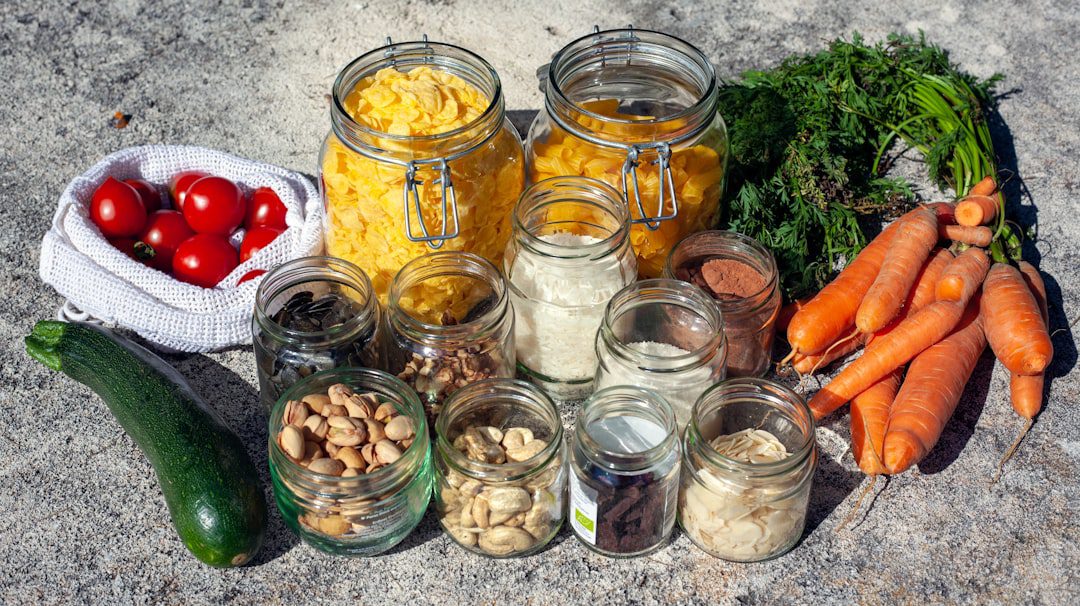
Ever heard the gut is your second brain? It’s one of those wellness buzzphrases that feels more like a Jedi mind trick than solid science (but hey, who doesn’t love the idea of their intestines being in charge?). When I first started digging into this topic, my initial skepticism was about as thick as a smoothie bowl. But does it actually work? Turns out, there’s a real connection between gut health and mood that’s worth paying attention to.
Why should you care? Well, for starters, mental health is more important than ever these days. And if improving your mood could be as simple as tweaking your diet (and who doesn’t want that?), it’s definitely something worth exploring.
The Gut-Brain Axis: More Than Just a Buzzphrase
Scientists are uncovering just how intricate the relationship is between our gut and brain. It’s not just about digestion; it’s about communication. The gut-brain axis, as it’s called, involves signaling molecules that travel back and forth between these two organs, influencing everything from your immune system to your emotional state.
In a study published in Brain, Behavior, and Immunity, researchers found that participants who consumed probiotic-rich yogurt for four weeks showed reduced brain activity in areas that process emotions like anxiety and depression (Dinan et al., 2013). So, there’s some truth to the gut-brain connection after all.
The Role of Probiotics: Friend or Fad?
Probiotics have been hailed as the magic bullet for everything from better digestion to improved mental health. But are they really that great? When I tried this, my skepticism was high—after all, how could a pill with bacteria possibly help me feel happier?
The answer might be in the numbers. A 2016 study in Psychosomatic Medicine found that individuals taking probiotics experienced significant reductions in psychological distress compared to those who didn’t (Smith et al., 2016). However, it’s important to note that results can vary widely depending on the type and quantity of probiotics you take.
Not everyone should jump on the probiotic bandwagon though. If you have an autoimmune condition or are immunocompromised, probiotics could potentially cause more harm than good. Always consult with your healthcare provider before adding them to your routine.
The Importance of a Diverse Microbiome
Your gut microbiome—the collection of bacteria living in your digestive tract—is incredibly diverse, and it plays a crucial role in maintaining both physical and mental health. Think of your microbiome like a garden: the more varied and healthy your plant life, the better your overall ecosystem.
Research from Nature suggests that individuals with a more diverse gut microbiota are less likely to suffer from depression and anxiety (Zheng et al., 2018). This diversity can be enhanced by eating a wide range of foods rich in fiber, such as fruits, vegetables, and whole grains.
But it’s not just about quantity; quality matters too. A diet high in processed foods and low in plant-based nutrients can starve your microbiome of the nourishment it needs to thrive. So, consider this your permission slip to indulge in more broccoli and less junk food.
Actionable Advice: Start Small, Think Big
Improving gut health is a marathon, not a sprint. Instead of overhauling your diet overnight (which can be overwhelming and unsustainable), focus on small, manageable changes. Add one new vegetable to each meal or try a new probiotic-rich food like kefir or sauerkraut.
Remember, the goal isn’t perfection but progress. By nurturing your gut health through dietary choices and other lifestyle habits, you’re investing in your overall well-being—both physical and mental.
For more tips on how to eat better without breaking the bank, check out my guide on Eating Plant-Based on a Budget. It’s all about finding what works best for you and making it a sustainable part of your life.
So, the next time someone tells you to listen to your gut, they might just be onto something. After all, it could be the key to unlocking better mental health.