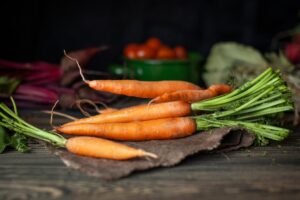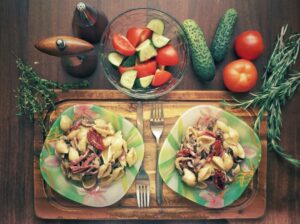
Photo by Iuliia Pilipeichenko on Unsplash
Let’s start with a confession: I once spent $50 on a single plant-based meal kit that promised to “revolutionize” my diet. Instead, it revolutionized my credit card bill. This culinary catastrophe was supposed to make eating a plant-based diet on a budget easy, but instead, it left me with a half-empty fridge and a full dose of skepticism. Why does this matter right now? Because more folks are trying to eat plant-based for both health and environmental reasons, and nobody wants to go broke doing it. So, can you enjoy a plant-based diet without financial ruin? I’ve been on this rollercoaster, and here’s what I’ve learned.
The Myth of Expensive Plant-Based Eating
When I first ventured into the plant-based world, I assumed my grocery bill would skyrocket. I envisioned fancy faux meats and organic vegetables driving me to bankruptcy. But according to a 2022 report in The Lancet, shifting towards plant-based diets can actually be more cost-effective, especially when considering the long-term health benefits and environmental impact. Dr. Romanello and colleagues highlight that plant-based diets could help mitigate the effects of climate change, which is a win-win for your wallet and the planet.
In my experience, the real trick is avoiding the trap of overpriced, processed plant-based products. You know, those luxurious vegan cheeses and pre-packaged quinoa bowls that are more about marketing than nutrition. The key is to focus on whole foods—beans, lentils, grains, and seasonal veggies—which are both affordable and nutritious. But does it actually work? Absolutely, if you know where to shop. Farmers markets and bulk food stores can be your best friends.
Shopping Smart: Where and How to Buy
Now, I’m not saying you need to become a coupon-clipper extraordinaire (unless that’s your thing). But a little strategic shopping can go a long way. Start by planning your meals for the week. I’ve found that having a plan not only reduces waste but also saves money. You don’t need to channel your inner Martha Stewart, just pick a few versatile staples like rice, beans, and oats—you’d be surprised how many meals you can build around these basics.
When you hit the store, make a beeline for the bulk bins. Buying in bulk can drastically cut costs on items like nuts, seeds, and grains. And don’t overlook frozen vegetables—they’re often cheaper and just as nutritious as fresh options. Plus, they won’t wilt in the crisper while you get distracted by life’s chaos. For those who want to dig deeper into the practicalities, check out my article on Eating Plant-Based on a Budget: Can You Afford to Go Green? for more tips.
Meal Prep: Your Budget’s Best Friend
Ah, meal prep—the love-hate relationship of the culinary world. But hear me out: a little planning goes a long way. I was skeptical until I realized that dedicating just a couple of hours on a Sunday could save me both time and money throughout the week. Batch cooking is your new best friend. Make a large pot of veggie chili or a big batch of stir-fry, and suddenly you have meals for days.
Not only does meal prep help you stick to your budget, but it also makes it easier to balance your blood sugar levels without resorting to expensive snacks. For more on this, check out my guide on Blood Sugar Balance: How to Stop Energy Crashes Without Going Keto. Plus, knowing that you have tasty meals ready to go can be a huge stress reliever (and who doesn’t need a bit less stress these days?).
The Unexpected Perks of a Budget Plant-Based Diet
Surprisingly, eating plant-based on a budget comes with perks beyond saving money. For one, it forces you to get creative in the kitchen. When I stopped relying on pricey pre-packaged foods, I discovered a love for making my own veggie burgers and experimenting with spices. It’s like a food adventure every week.
Moreover, by reducing your reliance on processed foods, you might find yourself feeling better overall. Trust me, I’ve felt the difference. A diet high in whole foods can improve mood and energy levels (who knew lentils could be mood boosters?). For more on the connection between diet and mood, check out Gut Health and Mood: The Surprising Connection You’re Ignoring.
So, what’s the next step in your plant-based budget journey? Start small. Pick one plant-based meal to incorporate into your week and go from there. You’ll be surprised at how easy—and affordable—it can be to eat well without emptying your bank account.