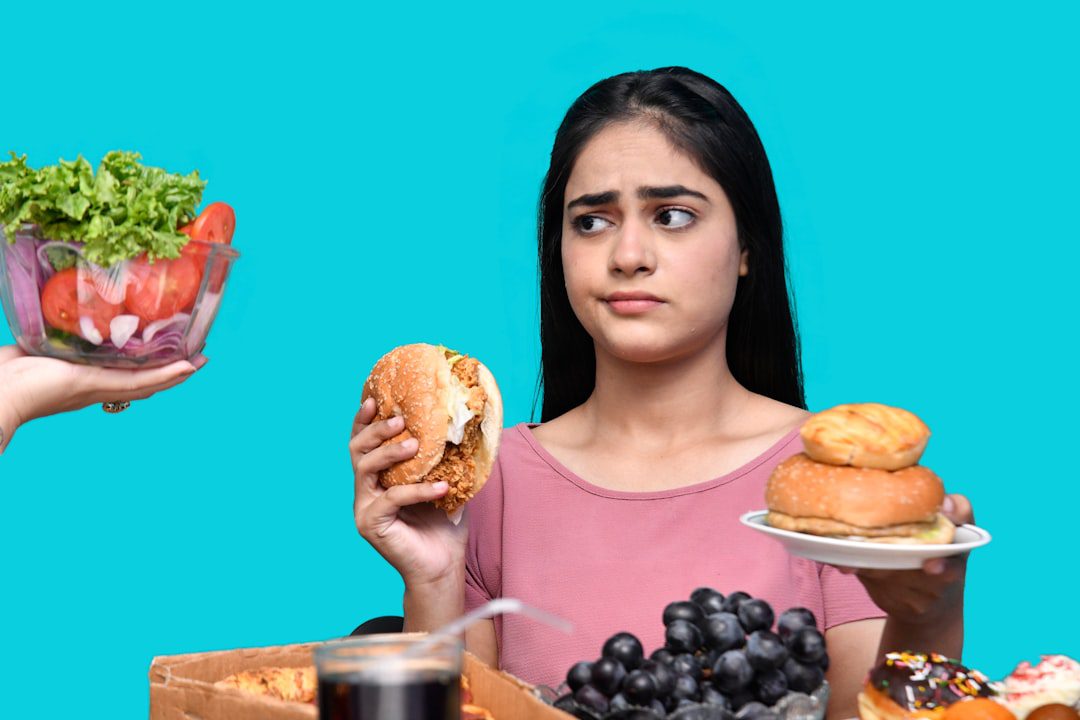
Ultra Processed Food Effects: The Hidden Dangers in Your Diet
We’ve all been there – mindlessly munching on chips or cookies while watching our favorite TV show, or grabbing a quick bite from the nearest fast-food joint. But have you ever stopped to think about what eating ultra-processed food long-term does to your body? I used to be a culprit of this too, until I started digging into the research and realized just how detrimental it can be to our health. When I tried to cut back on ultra-processed foods, I was skeptical at first – would I really notice a difference? But as I delved deeper into the world of whole foods and nutritious eating, I began to understand the profound impact that ultra-processed food effects can have on our bodies.
The truth is, many of us are consuming ultra-processed foods without even realizing it. They’re often disguised as healthy options, with flashy packaging and misleading labels. But the reality is that these foods are engineered to be highly addictive, making it difficult for us to stop at just one serving. And when we eat them regularly, the consequences can be severe. According to a recent study published in the BMJ, consuming ultra-processed foods has been linked to an increased risk of obesity, type 2 diabetes, and even certain types of cancer.
So, what exactly are ultra-processed foods? They’re products that have been significantly altered from their natural state, often containing a cocktail of added sugars, salt, and unhealthy fats. The three main culprits are sugary snacks, frozen meals, and processed meats – each working against you in different ways. For instance, sugary snacks can lead to a rapid spike in blood sugar levels, while frozen meals are often high in sodium and low in essential nutrients. Processed meats, on the other hand, have been linked to an increased risk of colorectal cancer.
Understanding Ultra Processed Food Effects
But does it actually work – I mean, can cutting back on ultra-processed foods really make a difference in our overall health? The answer is yes. When I started paying attention to the food labels and choosing whole, unprocessed foods instead, I noticed a significant improvement in my energy levels and digestion. And I’m not alone – numerous studies have shown that adopting a balanced diet rich in fruits, vegetables, whole grains, and lean proteins can have a profound impact on our health. For example, a study published in the JAMA Network found that participants who followed a Mediterranean-style diet experienced a significant reduction in cardiovascular disease risk.
In my experience, one of the biggest challenges is navigating the complex world of food labeling. It’s easy to get caught up in the marketing hype and assume that a product is healthier than it actually is. That’s why it’s essential to read labels carefully and look beyond the flashy packaging. A good rule of thumb is to opt for foods with fewer ingredients and less added sugar, salt, and unhealthy fats. You can also try meal planning and prep, which can help you stay on track and avoid relying on ultra-processed foods.
Of course, there are some limitations to consider. For instance, not everyone has access to whole, unprocessed foods – whether due to financial constraints or limited availability. And let’s be real, sometimes it’s just easier to grab something quick and convenient. But the good news is that there are plenty of resources available to help you make healthier choices, even on a budget. You can try exploring plant-based options, which tend to be lower in cost and higher in nutrients.
Making the Switch to Whole Foods
So, what’s the next step? How can you start making the switch to whole, unprocessed foods and reducing your exposure to ultra-processed food effects? In my opinion, it’s all about gradual changes – don’t try to overhaul your diet overnight. Start by incorporating one or two whole food meals into your daily routine and see how you feel. You can also try exploring new recipes and cooking techniques, which can make healthy eating more enjoyable and sustainable. And if you’re struggling with cravings or emotional eating, consider checking out our guide on natural anxiety relief – it’s amazing how much of a difference it can make.
As I’ve learned more about the dangers of ultra-processed foods, I’ve become increasingly passionate about sharing this knowledge with others. It’s not just about individual health – it’s about creating a ripple effect that can impact our communities and society as a whole. By making informed choices about what we eat, we can take control of our health and wellbeing, and reduce our risk of chronic diseases. So, the next time you’re tempted to reach for that bag of chips or cookie, remember – it’s not just a harmless snack, but a choice that can have far-reaching consequences for your body and mind.
For more information on healthy eating and reducing ultra-processed food effects, be sure to check out our resources on blood sugar balance, intermittent fasting, and gut health. And don’t forget to follow us for more evidence-based advice on living a healthier, happier life.