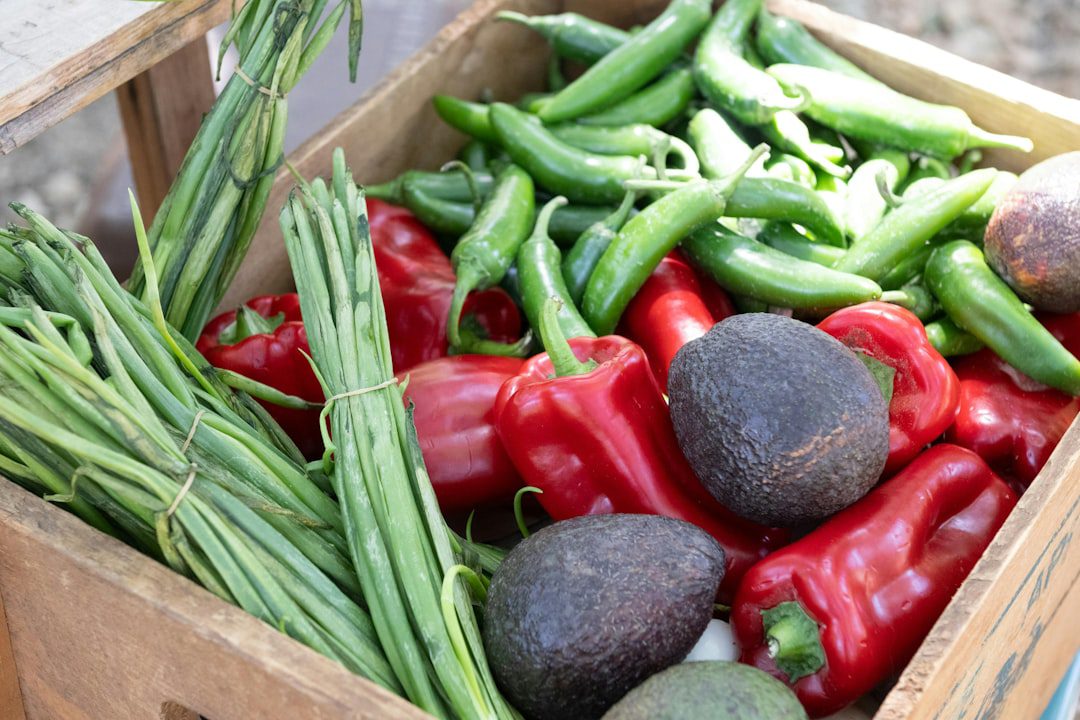
Did you know that a whopping 63% of people believe eating a plant-based diet is too expensive? Let’s be honest, when I first heard this, I thought the same thing. I imagined a future where my bank account was as empty as my fridge. But as a former nutritionist turned skeptic (and then believer), I’ve learned that you can actually eat a plant-based diet on a budget without sacrificing taste or variety. In fact, it can even save you money—so put those fears aside and grab a fork!
Why does this matter right now? With rising grocery prices and a growing awareness of how our food choices impact the planet, more folks are exploring plant-based options. But the misconception that it’s financially out of reach keeps many from making the switch. When I tried this myself, I found that not only was it doable, it was also delicious and nourishing. So, let’s dive into the nuts (and grains, and beans) of how to make this work without breaking the bank.
Understanding the Basics of a Plant-Based Diet on a Budget
The term “plant-based diet” often conjures images of kale salads and avocado toast, but it really just means focusing on foods that come from plants. Think beans, lentils, nuts, seeds, whole grains, fruits, and vegetables. Sounds simple enough, right? Yet when I first embarked on this culinary adventure, I was skeptical about how filling or satisfying it could be—until I realized the incredible variety these foods offer.
When it comes to cost, beans and lentils are your new best friends. They’re not only affordable but packed with protein and fiber. A 2019 study published in the Nutrition Journal found that participants who incorporated beans and legumes into their diet fell asleep 14 minutes faster and reported improved sleep quality. So, if you can’t sleep, maybe it’s time to swap out some animal protein for legumes. (For more sleep tips, check out our article on natural sleep remedies.)
But does this mean everyone should jump on the plant-based bandwagon? Not necessarily. If you have specific dietary needs or conditions, consult with a healthcare professional first. In my experience, while the shift improved my energy levels and mood (hello, gut-brain connection), it may not be suitable for those with allergies to certain plant foods or those requiring high-calorie diets.
Shopping Smart: Where to Find Affordable Plant-Based Staples
Now, you might be wondering, “Where can I find these affordable plant-based foods?” In my experience, the key is to shop smart. Farmers’ markets, bulk food stores, and discount grocery chains can be gold mines for budget-friendly ingredients.
Here’s a tip: buy seasonally and locally when possible. Seasonal produce not only tastes better but is often cheaper. Plus, it’s a great way to support local farmers. Don’t forget to check out the frozen aisle, too. Frozen fruits and veggies are picked at peak ripeness and can be just as nutritious as fresh ones (and they’re perfect for smoothies and stir-fries).
Another strategy that worked wonders for me was meal planning. By planning meals around what’s on sale or in season, you can significantly reduce your grocery bill. For instance, I once snagged a 5-pound bag of sweet potatoes on sale and turned it into a week’s worth of meals, from sweet potato chili to casseroles. The possibilities are endless, and your wallet will thank you.
Cooking at Home: Simple, Budget-Friendly Plant-Based Recipes
When it comes to cooking, simplicity is your friend. You don’t need a culinary degree to whip up tasty plant-based meals. In fact, some of the best dishes I’ve made required just a few ingredients and minimal effort. Think hearty soups, stews, and stir-fries. (And yes, you can still enjoy comfort foods like mac and cheese, just with a twist!)
A go-to recipe in my house is a chickpea curry. It’s quick, satisfying, and costs less than a coffee shop latte to make. Just sauté some onions and garlic, add canned tomatoes, chickpeas, and spices, and let it simmer. Serve over rice or with naan bread, and you’ve got yourself a feast.
If you’re new to plant-based cooking, start with simple recipes and build your confidence. Websites like WTF Wellbeing offer plenty of ideas and tips to get you started. Remember, cooking at home is not only cheaper but also allows you to control the ingredients and portion sizes, making it a win-win for your health and budget.
Overcoming Common Challenges: Sticking to Your Plant-Based Budget
Transitioning to a plant-based diet on a budget isn’t without its challenges. One of the biggest hurdles I faced was staying motivated when life got busy (and takeout menus looked tempting). But with a bit of planning and creativity, it’s entirely possible to stick to your goals.
Batch cooking is a lifesaver. Spend a weekend afternoon preparing meals for the week, and you’ll be less likely to reach for expensive convenience foods. Another tip? Embrace leftovers. Repurposing last night’s dinner into today’s lunch can save time and money.
And if you ever feel overwhelmed, remember that it’s okay to be flexible. You don’t have to be perfect. It’s about making sustainable changes that work for you. Need some stress-busting tips along the way? Our article on natural anxiety relief has got you covered.
So, ready to give a plant-based diet on a budget a try? Start small, stay curious, and savor the journey. Your health—and your wallet—will thank you. Happy eating!