Photo by hidefumi ohmichi on Unsplash
Meta Description: Dive into the truth about meditation and separate fact from fiction. Discover practical, science-backed advice for a more effective practice.
Welcome to WTF Wellbeing, where we tackle wellness myths head-on and provide you with practical, science-backed advice. Today’s mission? To debunk some of the most pervasive myths surrounding meditation, helping you get the most out of your practice without the confusion.
Meditation has been a buzzword for years now, with claims ranging from curing insomnia to eradicating anxiety completely. While it’s true that meditation offers numerous benefits, there’s plenty of misinformation floating around out there. Let’s unravel these myths and explore what meditation can realistically achieve for your physical fitness and overall wellness.
Myth #1: You Must Sit in Lotus Pose
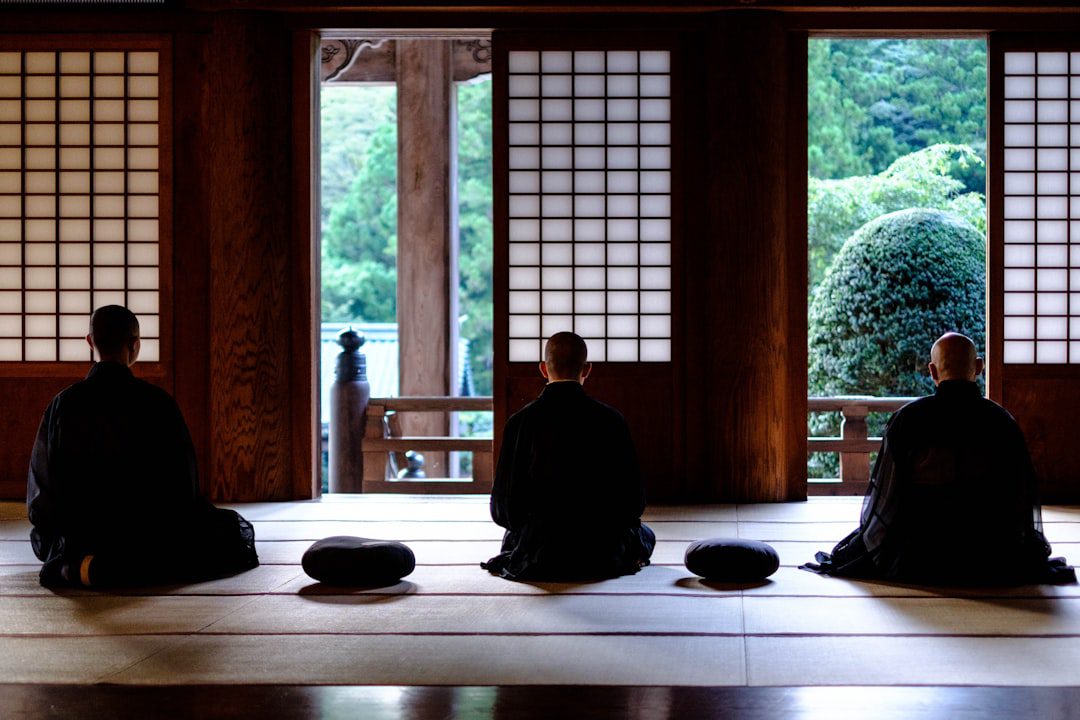
- Fiction: Meditation requires you to sit cross-legged on the floor, hands together, eyes closed, and back perfectly straight.
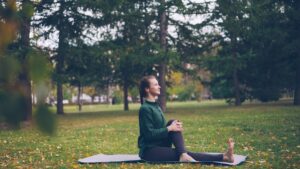
- Fact: While traditional poses like the lotus position are common, meditation can be done in any comfortable posture. You can meditate while sitting in a chair, lying down, or even walking.
The key is to find a position that keeps you stable and alert without causing physical discomfort. If your back hurts after 5 minutes of lotus pose, it’s okay to switch to a more comfortable seat or use a cushion for support.
Myth #2: Meditation Requires Years of Practice
- Fiction: To experience the benefits of meditation, you need years of dedicated practice and spiritual enlightenment.
- Fact: Even short periods of daily meditation can yield significant improvements in your mental and physical health. Studies show that just a few minutes of mindfulness each day can reduce stress levels and improve focus (Hoge et al., 2013).
Start small—try meditating for 5 minutes a day—and gradually increase the duration as you get more comfortable with the practice.
Myth #3: Meditation Can Cure Any Illness
- Fiction: Meditation is a cure-all that can heal any physical or mental health condition.
- Fact: While meditation has numerous benefits, it’s not a panacea. It can help manage symptoms of conditions like anxiety and chronic pain (Morone et al., 2008), but it should be used in conjunction with other treatments prescribed by healthcare professionals.
If you’re struggling with insomnia, for example, incorporating meditation into your routine might improve your sleep quality. However, if you’re having trouble falling asleep or staying asleep, consider exploring additional natural sleep remedies.
Myth #4: You Must Clear Your Mind to Meditate
- Fiction: Successful meditation involves clearing your mind of all thoughts and achieving a state of perfect silence.
- Fact: It’s perfectly normal for your mind to wander during meditation. The practice is about learning to observe your thoughts without getting caught up in them, rather than trying to eliminate them entirely (Kabat-Zinn, 2013).
Instead of fighting your thoughts, gently bring your focus back to your breath whenever you notice your mind drifting.
Myth #5: Meditation Is Only for Spiritual People
- Fiction: Meditation is a spiritual practice that doesn’t apply to those who aren’t interested in religion or spirituality.
- Fact: Meditation is a secular practice that can be adapted to fit any lifestyle. Its roots may be in religious and spiritual traditions, but its benefits are universal and accessible to everyone (Linden et al., 2014).
Whether you’re an atheist, agnostic, or deeply religious, meditation can help you manage stress, improve focus, and enhance your overall well-being.
Myth #6: Meditation Is Difficult to Do If You Have Anxiety
- Fiction: People with anxiety disorders cannot meditate effectively or should avoid it altogether because they can’t sit still long enough.
- Fact: Meditation is actually a powerful tool for managing anxiety. Shorter sessions of guided meditation, such as those focusing on deep breathing or body scans, can be particularly effective (Hofmann et al., 2010).
If you’re finding it challenging to meditate due to high levels of anxiety, consider trying some natural anxiety relief techniques alongside your practice.
Myth #7: Meditation Means You Have to Be Perfect at It
- Fiction: To benefit from meditation, you need to be perfect—no distractions allowed.
- Fact: Perfection is not required. The beauty of meditation lies in its simplicity and flexibility. Even if your mind wanders or you feel restless, you can still derive benefits from the practice (Telles et al., 2014).
Embrace imperfection and view each session as an opportunity to improve rather than a test of your abilities.
Scientific Angle:
The scientific community has been studying meditation for decades, revealing numerous benefits that extend beyond just mental health. For instance, research has shown that regular meditation can:
- Reduce stress and anxiety: A meta-analysis published in JAMA Internal Medicine found that mindfulness meditation programs can reduce symptoms of anxiety (Goyal et al., 2014).
- Improve immune function: Studies indicate that mindfulness practices can boost the immune system by increasing levels of anti-inflammatory proteins (Davidson et al., 2003).
- Enhance physical health: Meditation has been linked to lower blood pressure, improved heart health, and better sleep quality (Barnes et al., 2004).
- Meditation does not require a specific posture or years of practice.
- While beneficial, meditation is not a cure for all illnesses and should be used alongside other treatments.
- It’s normal for your mind to wander during meditation—focus on bringing it back gently.
- Meditation can benefit everyone, regardless of their spiritual or religious beliefs.
- Meditation is accessible to those with anxiety and does not require perfection.
In conclusion, meditation is a powerful practice that offers numerous benefits for physical fitness and overall well-being. By debunking these common myths, we hope you feel more confident in starting or continuing your meditation journey. Remember, the key to success is consistency—set small, achievable goals and celebrate each step forward.
Have you tried meditation before? What were your experiences like? Share your thoughts in the comments below!
Natural Anxiety Relief: The Real Deal on Finding Peace Without Pills
Mastering Better Sleep Naturally: Your Comprehensive Guide