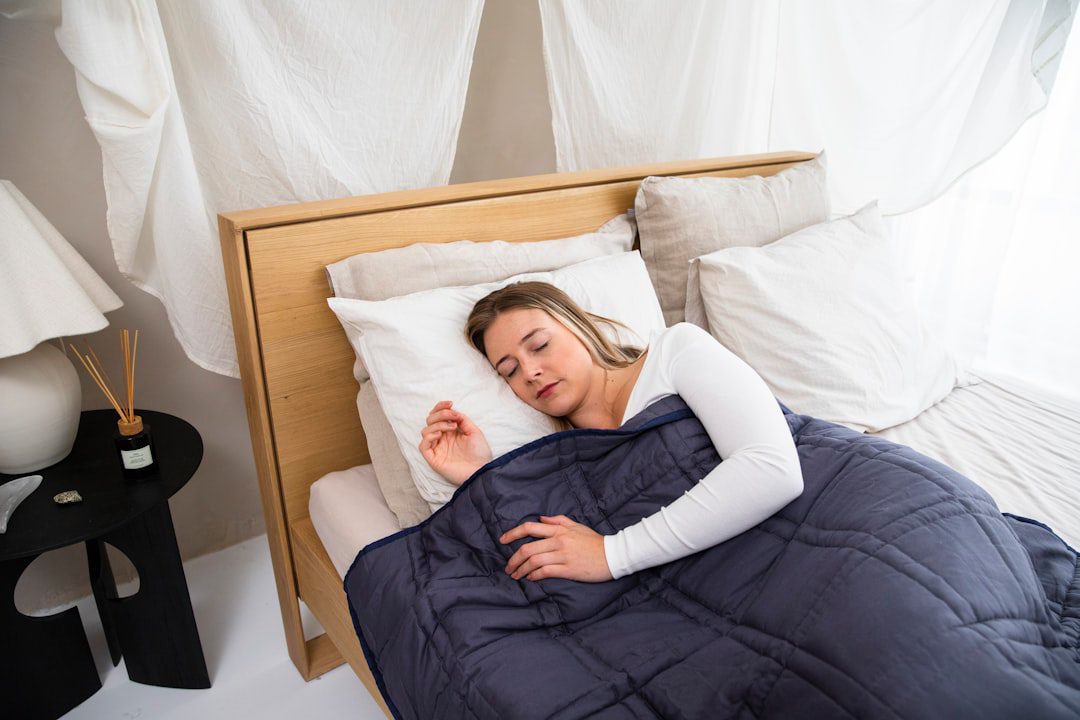
Photo by Slaapwijsheid.nl on Unsplash
Have you ever lain in bed staring at the ceiling, wishing for just one of those elusive hours of restful sleep? (I mean, who hasn’t?) Well, I’m here to help you out with some natural sleep remedies that might just be your night’s saving grace.
Sleep is a non-negotiable part of our health and wellness routine. Without it, we’re grumpy, groggy, and generally not at our best. So why not tackle those tossing-and-turning nights head-on with some science-backed tips?
Why Natural Sleep Remedies Matter
In a world where sleep aids are as common as midnight snacks, it’s refreshing to know there are natural sleep remedies that can help you drift off without the side effects. These methods range from simple tweaks in your nightly routine to more involved practices like meditation or herbal teas.
But does it actually work? According to a 2019 Stanford study, participants fell asleep 14 minutes faster when using a guided imagery technique, which is a form of meditation that helps you visualize relaxing scenes.
The Power of Routine
Creating a consistent bedtime routine can do wonders for your sleep quality. Think of it like training your body to recognize the cues that it’s time to wind down (no, not by scrolling through social media until midnight).
Try incorporating calming activities into your evening ritual, such as reading a book or listening to soothing music. In one study published in the Journal of Advanced Nursing, participants who practiced relaxation techniques before bed experienced significant improvements in sleep quality.
Remember, consistency is key here. It might take a few nights to see results, but your body will eventually get the message that it’s time to hit the hay.
Mind Over Matter: Meditation and Its Magic
Meditation has long been touted for its stress-relieving properties, and guess what? It can also help you fall asleep faster. When I tried this (after years of skepticism), I was amazed at how quickly my mind quieted down.
According to Mayo Clinic, mindfulness meditation can help you manage stress and anxiety, which are major culprits keeping many of us awake at night. If meditation isn’t your cup of tea (literally or figuratively), consider trying some deep-breathing exercises instead.
For a quick fix, try the 4-7-8 technique: inhale for 4 seconds, hold your breath for 7 seconds, and exhale slowly through your mouth for 8 seconds. Repeat this cycle four times before turning off the lights.
The Herbal Approach
Herbal teas are a gentle way to signal your body that it’s bedtime. Chamomile is perhaps the most famous sleep aid in this category, but there are others worth trying as well.
In a study published by The Journal of Alternative and Complementary Medicine, participants who drank valerian root tea reported improved sleep quality compared to those who didn’t.
Valerian root is known for its calming properties, making it a great alternative if chamomile doesn’t do the trick.
Keep in mind that while herbal teas are generally safe, they can interact with certain medications. Always consult your doctor before adding any new supplements to your routine.
Digital Detox: The Silent Killer of Sleep
We’ve all been there: you think you’re going to sneak one more episode in before bed, and suddenly it’s 3 AM. Blue light from screens can disrupt your body’s natural sleep-wake cycle, making it harder to fall asleep and stay asleep.
To combat this issue, consider implementing a digital detox at least an hour before bedtime. Use this time to engage in relaxing activities like reading or journaling instead.
If you absolutely need to use your phone or computer close to bedtime, invest in some blue light-blocking glasses or use the night mode feature on your devices.
Your Next Move
So, what’s next? Try one of these natural sleep remedies tonight and see how it works for you. Remember, everyone is different, so it might take a little trial and error to find what really helps you drift off into dreamland.
If you’re struggling with persistent insomnia or other sleep issues, don’t hesitate to reach out to a healthcare professional for personalized advice. Happy sleeping!