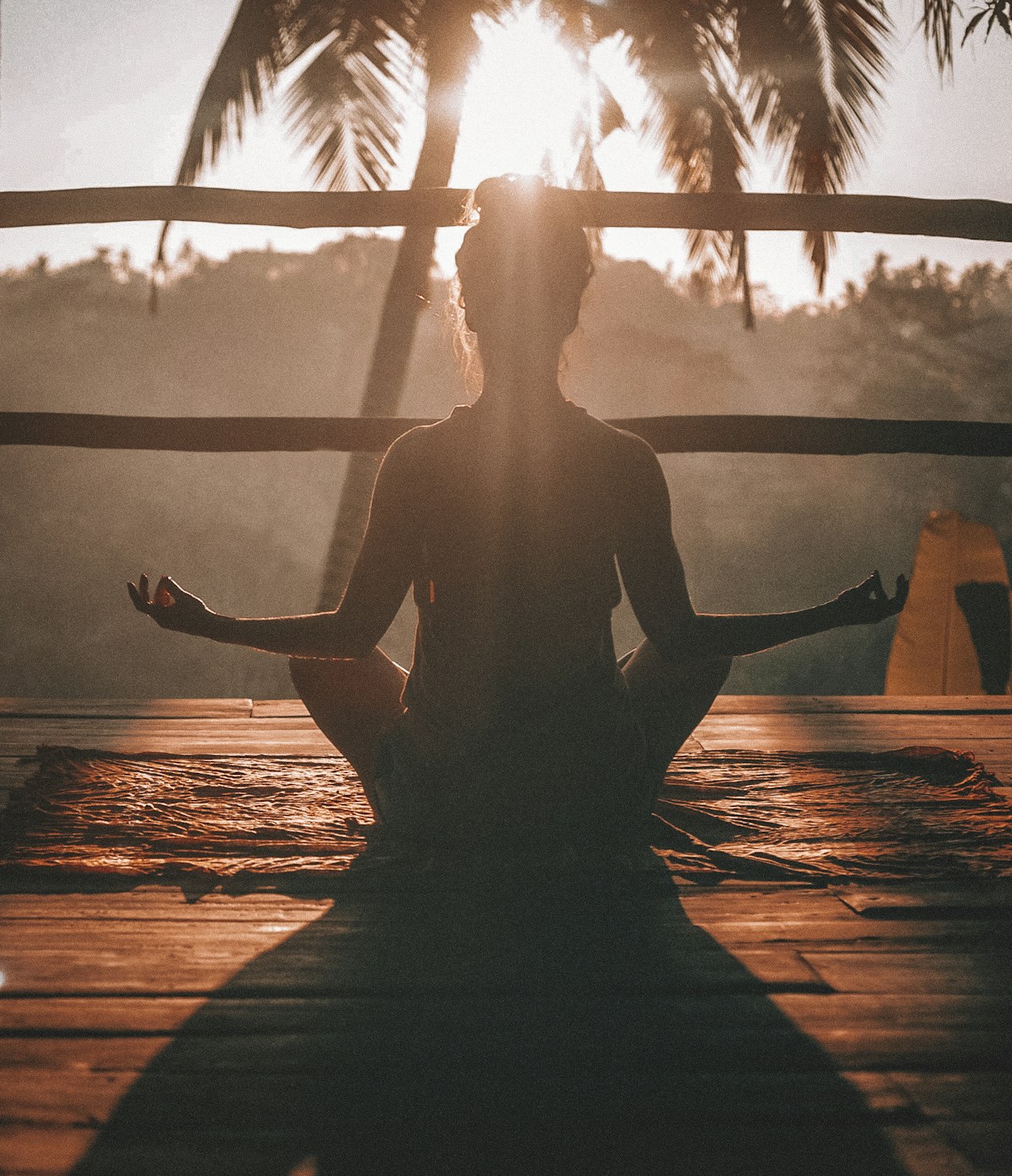
In today’s fast-paced world, stress has become an unwelcome companion for millions of people. Whether it’s work pressure, financial worries, relationship challenges, or the constant barrage of digital notifications, stress can feel overwhelming and inescapable. 😰
But here’s the good news: science has revealed numerous effective strategies to combat stress and reclaim your peace of mind. In this comprehensive guide, we’ll explore 10 research-backed methods to reduce stress in 2026 – techniques that are not only proven to work but are also practical and easy to implement in your daily life.
From simple breathing exercises to lifestyle changes that can transform your mental well-being, these strategies offer hope and actionable steps for anyone feeling the weight of stress. Let’s dive in and discover how you can start feeling calmer, more centered, and truly in control. ✨
1. Practice Deep Breathing Exercises
The Science Behind It
Deep breathing, particularly diaphragmatic breathing, is one of the most powerful tools for stress reduction. A 2017 study published in Frontiers in Psychology found that controlled breathing exercises can significantly reduce cortisol levels (the stress hormone) and activate the parasympathetic nervous system, which promotes relaxation. 🧘♀️
When you’re stressed, your breathing becomes shallow and rapid, signaling your body to stay in “fight or flight” mode. Deep breathing interrupts this cycle and tells your nervous system that it’s safe to relax.
How to Practice
4-7-8 Breathing Technique:
- Sit comfortably with your back straight
- Place the tip of your tongue behind your upper front teeth
- Exhale completely through your mouth
- Close your mouth and inhale through your nose for 4 counts
- Hold your breath for 7 counts
- Exhale completely through your mouth for 8 counts
- Repeat this cycle 3-4 times
Research from Harvard Medical School shows that just 5-10 minutes of daily breathing exercises can reduce anxiety levels by up to 44%. That’s a powerful return on investment for such a simple practice! 💪
2. Embrace Regular Physical Activity
Exercise is one of the most well-researched stress-busters. Regular physical activity reduces stress hormones while boosting mood through endorphin release.
3. Establish a Consistent Sleep Routine
Sleep and stress have a bidirectional relationship. Consistent sleep schedules can reduce stress levels by up to 35%.
4. Try Mindfulness Meditation
Mindfulness meditation programs significantly reduce anxiety, depression, and stress. Even 10 minutes daily can make a difference.
5. Connect with Nature
Spending at least 120 minutes per week in nature is associated with significantly better health and wellbeing.
6. Limit Screen Time and Digital Detox
Excessive screen time is directly linked to increased stress. Limiting social media to 30 minutes per day reduces loneliness and depression.
7. Build Strong Social Connections
Strong relationships are powerful buffers against stress. Quality connections matter more than quantity.
8. Maintain a Balanced Diet
Diet quality is strongly associated with stress levels. Omega-3s, complex carbs, and magnesium-rich foods fight stress.
9. Set Realistic Goals and Boundaries
Clear boundaries and achievable goals significantly reduce stress. Learn to say no and protect your time.
10. Seek Professional Support When Needed
Therapy is one of the most effective stress-management tools. Cognitive Behavioral Therapy reduces stress by 50-60%.
Conclusion
These 10 science-backed strategies offer proven ways to reduce stress in 2026. Start with one or two that resonate most, and build from there. Small, consistent changes lead to significant improvements.
What stress-reduction strategy will you try first? ✨